Fortra FileCatalyst Workflow App Exposed: Critical SQL Injection Vulnerability Uncovered

Security Flaw in FileCatalyst Workflow Disclosed

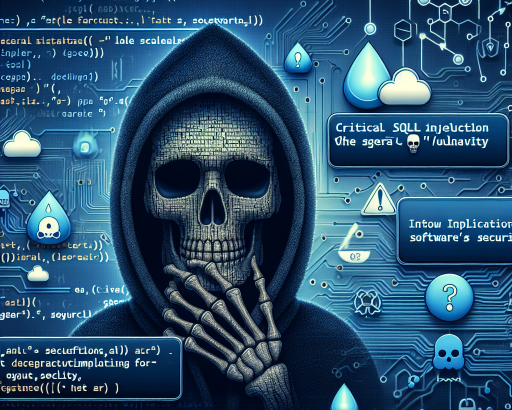
A recent revelation in the IT security realm unveils a critical vulnerability in Fortra’s FileCatalyst Workflow. This flaw, if neglected, has the potential to be exploited by malicious actors to manipulate the application database. Known in the tech world as CVE-2024-5276, this vulnerability has been allocated a high severity Common Vulnerability Scoring System (CVSS) score of 9.8. This security loophole specifically impacts FileCatalyst Workflow versions 5.1.6 Build 135 and all prior iterations. To counter this threat, the software developers have taken swift action and successfully remedied the issue in the latest version, 5.1.6 build 139.

Details of the Vulnerability

The identified vulnerability stems from an SQL injection flaw present in the FileCatalyst Workflow software. This type of loophole can pave the way for cybercriminals to infiltrate the application’s database, potentially resulting in unauthorized access, data manipulation, or even data exfiltration. Considering the severity of such an exploit, it is imperative for users of affected versions to promptly update their software to version 5.1.6 build 139 or later to safeguard their systems and data against potential breaches.

Implications and Mitigation Strategies

The gravity of this security vulnerability lies in its potential repercussions, ranging from data tampering to complete database compromise. Therefore, users and administrators utilizing FileCatalyst Workflow are strongly advised to prioritize updating their systems to the patched version. By promptly applying the latest software updates and security patches, organizations can fortify their defenses against cybersecurity threats and thwart potential attacks aimed at exploiting this specific vulnerability.

Security Patch Installation – A Prudent Measure

Installing security patches is akin to weaving protective armor around your digital infrastructure. It serves as a proactive measure to reinforce your system’s defenses and fortify them against emerging threats and vulnerabilities. Failure to install necessary security patches in a timely manner can leave your organization’s IT ecosystem susceptible to exploitation by cyber adversaries, potentially resulting in severe financial and reputational damage.

Staying Vigilant in the Cybersecurity Landscape

The ever-evolving cyber threat landscape necessitates a vigilant approach from organizations and individuals alike. Cyber attackers are relentless in their pursuits and constantly seeking out security loopholes to capitalize on. Therefore, maintaining an updated and secure IT environment is paramount in mitigating risks and safeguarding sensitive data from falling into the wrong hands. Regularly monitoring for security advisories, promptly implementing patches, and fostering a culture of cybersecurity awareness are indispensable practices in today’s digital age.

By staying informed about the latest security vulnerabilities and proactively taking steps to address them, organizations can bolster their cybersecurity posture and minimize the likelihood of falling victim to malicious activities. Remember, in the realm of cybersecurity, staying one step ahead can make all the difference.


Unveiling the Tactics of the Infamous Chinese Espionage Group “ChamelGang”

Chinese Cyberespionage Group ChamelGang Targets Critical Infrastructure in Asia

A recent report from SentinelOne has shed light on the activities of a Chinese cyberespionage group known as ChamelGang. This group has been targeting critical infrastructure, including aviation and government systems, across Asia. The report reveals that ChamelGang has been conducting potential attacks on various organizations in the region, highlighting the importance of vigilance and enhanced cybersecurity measures to protect against such threats.

Understanding ChamelGang’s Cyberespionage Activities

ChamelGang is a sophisticated cyberespionage group that operates with a high degree of stealth and sophistication. The group has been linked to a series of attacks targeting critical infrastructure sectors, including aviation and government systems. Their activities involve conducting reconnaissance, gaining unauthorized access to networks, and exfiltrating sensitive data.

One of the key tactics used by ChamelGang is the deployment of custom malware and tools designed to evade detection by traditional security measures. This allows the group to maintain access to compromised networks for extended periods, enabling them to gather valuable intelligence and carry out their espionage activities without being detected.

The Importance of Vigilance and Enhanced Cybersecurity Measures

The emergence of threat actors like ChamelGang underscores the importance of vigilance and the need for enhanced cybersecurity measures to protect critical infrastructure and sensitive data. Organizations operating in critical sectors, such as aviation and government, must proactively monitor their networks for any signs of unauthorized activity and implement robust security controls to mitigate the risk of cyber attacks.

Enhanced cybersecurity measures, such as network segmentation, multi-factor authentication, and regular security assessments, can help organizations defend against sophisticated threat actors like ChamelGang. By investing in cybersecurity resilience and staying informed about emerging threats, organizations can strengthen their defenses and better protect their critical infrastructure from cyber attacks.

Staying Ahead of Cyber Threats

As cyber threats continue to evolve and become more sophisticated, organizations must remain vigilant and proactive in their approach to cybersecurity. Regularly updating security policies, conducting employee training on cybersecurity best practices, and partnering with trusted cybersecurity vendors can help organizations stay ahead of emerging threats and better protect their critical infrastructure from cyber attacks.

By staying informed about the tactics and techniques used by threat actors like ChamelGang, organizations can enhance their cybersecurity posture and effectively defend against cyber espionage activities. Collaborating with cybersecurity experts and leveraging advanced threat intelligence can also help organizations detect and respond to cyber threats more effectively, minimizing the potential impact of cyber attacks on their operations and critical infrastructure.

Kako so Hekerji Vdrli v Znane TikTok Račune: Ključne Lekcije za Vašo Cyber Varnost

Kako so hekerji vdrli v znane TikTok račune: Ključne lekcije za vašo cyber varnost


Znani računi TikTok ogroženi v masovnem vdoru: Varnostni nasveti

V zadnjem času je več znanih računov na priljubljeni platformi TikTok postalo tarča obsežnega vdora. Ta incident poudarja naraščajočo potrebo po izboljšanih praksah spletne varnosti za uporabnike vseh vrst družbenih omrežij. V nadaljevanju bomo razpravljali o podrobnostih te varnostne krize in ponudili koristne nasvete, kako zaščititi svoje račune in podatke. Ostanite z nami in izvedite, kako se lahko bolje zavarujete pred podobnimi grožnjami.

Podrobnosti o vdoru

Prejšnji teden je TikTok doživel obsežen kibernetski napad, v katerem so bili ogroženi računi več slavnih osebnosti. Hekerji so uspeli pridobiti dostop do teh računov in objavljati vsebino, ki ni v skladu z običajno prisotnostjo teh uporabnikov na spletu. Po poročanju je bilo prizadetih več deset računov, kar je povzročilo zaskrbljenost v skupnosti TikTok in širše.

Kaj lahko naredite, da zavarujete svoj TikTok račun?

Niso le slavne osebe tiste, ki so tarče kibernetskih napadov. Vsak uporabnik TikToka mora biti proaktiven pri varovanju svojega računa. Tu je nekaj osnovnih, vendar učinkovitih korakov, ki jih lahko sprejmete:

  • Uporabite močno geslo: Geslo naj bo dolga kombinacija črk, številk in posebnih znakov. Izogibajte se uporabo osebnih informacij ali preprosto uganljivih besed.
  • Omogočite dvofaktorsko avtentikacijo: Dvofaktorska avtentikacija dodaja dodatno plast varnosti, saj zahteva, da poleg gesla vnesete še kodo, poslano na vaš telefon.
  • Redno spreminjajte geslo: Priporočljivo je, da geslo spreminjate vsakih nekaj mesecev, da zmanjšate tveganje nepooblaščenega dostopa.
  • Bodite pozorni na sumljive aktivnosti: Redno preverjajte svoj račun za nenavadne dejavnosti. Če opazite kaj nenavadnega, takoj spremenite geslo in obvestite podporo TikTok.

Zakaj so slavni računi tarča?

Slavni računi so pogosto glavna tarča hekerjev zaradi velikega števila sledilcev in vpliva, ki ga imajo ti uporabniki. Z dostopom do slavnih računov lahko hekerji širijo dezinformacije, oglašujejo nezakonite vsebine ali celo izvajajo phishing prevara. Prav zaradi tega je potrebno dodatno pozornost nameniti zaščiti takih računov.

Kiber-varnostni nasveti za vse uporabnike družbenih omrežij

Poleg specifičnih ukrepov za TikTok, obstajajo splošne varnostne prakse, ki jih lahko upoštevate pri uporabi vseh družbenih omrežij:

  1. Ne delite osebnih podatkov: Nikoli ne delite svojih osebnih informacij, kot so naslov, telefonska številka ali finančni podatki, prek družbenih omrežij.
  2. Preverite dovoljenja aplikacij: Ko nameščate aplikacije, preverite, katere informacije in dovoljenja zahtevajo. Bodite previdni pri aplikacijah, ki zahtevajo preveč informacij.
  3. Bodite previdni pri povezavah: Če prejmete sporočilo ali e-pošto s povezavo, ne klikajte nanjo, če niste prepričani o njeni varnosti. Vedno preverite vir in poslušajte svoje instinkte.

Zadnja beseda

Čeprav so incidenti, kot je ta, zaskrbljujoči, nas opominjajo na pomembnost varnosti na spletu. S preprostimi, a učinkovitimi ukrepi lahko znatno zmanjšamo tveganje in zaščitimo sebe in svoje podatke. Uporabniki družbenih omrežij morajo biti vedno v koraku z najboljšimi praksami za kibernetsko varnost in se stalno izobraževati o najnovejših grožnjah. Ostanite varni!


Snowblind Android Malware: How to Protect Your Devices from the Latest Threat

New Android Malware “Snowblind” Takes Advantage of Linux’s seccomp

A new Android malware dubbed “Snowblind” has recently emerged, causing concern among users and security experts alike. Unlike typical malware, Snowblind has a unique feature that allows it to bypass security measures by exploiting Linux’s seccomp (secure computing mode) to launch scalable attacks and steal sensitive data from devices.

How Snowblind Works

Snowblind’s dangerous capabilities stem from its ability to exploit vulnerabilities in the seccomp (secure computing mode) feature of Linux, which is used to restrict the system calls available to an application. By bypassing seccomp, the malware evades security checks and gains unauthorized access to sensitive data on Android devices.

Protecting Yourself from Snowblind

To protect your devices from Snowblind and other potential threats, it is crucial to take proactive measures. Here’s what you can do:

1. Download Apps from Trusted Sources:
Ensure that you only download apps from reputable sources such as the Google Play Store to minimize the risk of downloading malware-infected apps.

2. Update Your Device:
Regularly update your Android device to the latest software version to patch any known vulnerabilities and security loopholes that malware like Snowblind could exploit.

3. Consider Mobile Security:
Invest in a reliable mobile security solution that can detect and prevent malware attacks on your Android device. Look for security software that offers real-time scanning and protection against emerging threats.

By following these precautions, you can significantly reduce the likelihood of falling victim to Snowblind or other similar malware attacks.

Stay Vigilant and Keep Your Device Secure

In today’s digital age, where cyber threats are constantly evolving, it is essential to stay vigilant and prioritize the security of your devices. By staying informed about the latest threats like Snowblind and adopting best practices for mobile security, you can safeguard your data and personal information from falling into the wrong hands.

Conclusion

The emergence of new Android malware like Snowblind underscores the importance of staying proactive and informed about potential security risks. By understanding how malware exploits vulnerabilities like Linux’s seccomp, users can take preventive measures to secure their devices effectively. Remember, staying safe in the digital realm requires a combination of caution, regular updates, and the use of reliable security solutions. So, stay informed, stay secure, and keep your devices protected against threats like Snowblind.

P2Pinfect Botnet: Targeting Servers with Ransomware and Cryptominer

P2Pinfect Botnet Resurfaces: A Looming Threat to Servers

In a shocking turn of events, the notorious P2Pinfect botnet, previously considered dormant, has reemerged with a vengeance. This malevolent entity is now unleashing a double whammy of ransomware and cryptomining malware on unsuspecting servers, putting valuable data and financial assets at grave risk. To safeguard against this impending cyber onslaught, urgent action is imperative.

The Menace Unleashed

The revival of the P2Pinfect botnet has sent ripples of concern throughout the cybersecurity landscape. This insidious threat operates with a dual agenda: encrypting sensitive data to extort ransom payments and secretly harnessing server resources for cryptocurrency mining. Such a multi-pronged attack can wreak havoc on organizations, leading to data breaches, financial losses, and reputational damage.

Protect Your Systems: Patch and Fortify

To mitigate the looming danger posed by the P2Pinfect botnet, proactive measures must be taken without delay. The first line of defense lies in promptly patching all servers and endpoints to address vulnerabilities that could be exploited by this malicious entity. By ensuring that systems are up to date with the latest security patches, organizations can significantly reduce their susceptibility to ransomware and cryptomining attacks.

Furthermore, fortifying network defenses through robust firewalls, intrusion detection systems, and endpoint protection solutions is critical. By implementing layers of security measures, including strong authentication protocols and regular security audits, organizations can create a formidable barrier against the malevolent intentions of the P2Pinfect botnet.

Stay Vigilant: Monitor and Educate

In the face of evolving cyber threats like the P2Pinfect botnet, constant vigilance is paramount. Organizations should establish robust monitoring mechanisms to detect any suspicious activities or anomalies that may indicate a potential breach. By actively monitoring network traffic, system logs, and user behavior, IT teams can swiftly identify and contain any threats posed by this resurgent botnet.

Moreover, employee education and awareness play a crucial role in enhancing overall cybersecurity posture. Training staff on best practices for email security, safe browsing habits, and incident response protocols can empower them to recognize and report potential security incidents promptly. In the battle against the P2Pinfect botnet, every individual within an organization must be a vigilant defender of cyber assets.

Conclusion

The resurgence of the P2Pinfect botnet serves as a stark reminder of the ever-present cybersecurity threats lurking in the digital realm. By promptly patching systems, fortifying network defenses, staying vigilant through monitoring, and educating employees, organizations can bolster their resilience against such malevolent entities. In the ongoing arms race between cybercriminals and cybersecurity professionals, proactive defense is the key to averting data encryption and financial loss at the hands of the P2Pinfect botnet.

Practical Guidance For Securing Your Software Supply Chain

The Growing Pressure on Software Supply Chain Security

In recent years, there has been a noticeable increase in regulatory and legal pressure on organizations involved in software production. This emphasis is particularly focused on securing the supply chain and guaranteeing the integrity of the software being provided. The heightened scrutiny stems from the fact that the software supply chain has evolved into a prime target for malicious actors seeking to amplify the impact of their attacks significantly.

Increasing Sophistication of Attacks

As technology advances, cyber attackers have become more sophisticated in exploiting vulnerabilities within software supply chains. By compromising even a single component within a supply chain, hackers can potentially infiltrate multiple systems, magnifying the scale and impact of their attacks. This approach allows adversaries to leverage interconnected networks and systems, making the task of defending against such attacks increasingly challenging.

Supply Chain Vulnerabilities

The interconnected nature of software supply chains introduces vulnerabilities that can be exploited by cybercriminals. Malicious actors may target suppliers with weaker security measures to gain access to more secure systems further down the supply chain. This chain reaction highlights the need for organizations to assess and fortify the security posture of not just their own systems but also those of their suppliers and partners.

The Need for Enhanced Security Measures

To mitigate the risks associated with supply chain attacks, organizations must implement enhanced security measures throughout their software development and distribution processes. This includes conducting thorough security assessments of all components within the supply chain, implementing robust authentication mechanisms, and establishing clear protocols for incident response and recovery.

Regulatory Compliance

In response to the growing threat landscape, regulatory bodies have heightened the requirements for software-producing organizations to adhere to specific security standards and best practices. Failure to comply with these regulations can result in severe legal repercussions, making it imperative for organizations to prioritize security and compliance in their operations.

Collaborative Efforts

Addressing supply chain security requires a collaborative effort among all stakeholders involved in the software development ecosystem. Organizations must establish transparent communication channels with their suppliers and partners to ensure alignment on security protocols and practices. By fostering a culture of shared responsibility, companies can collectively enhance the overall security posture of the supply chain.

Conclusion

As the cybersecurity landscape continues to evolve, organizations must recognize the critical importance of securing their software supply chains. By proactively implementing robust security measures, fostering collaboration among stakeholders, and prioritizing regulatory compliance, companies can better protect their systems and data from the escalating threats posed by malicious actors. Embracing a comprehensive approach to supply chain security is essential in safeguarding the integrity and resilience of software ecosystems in an increasingly interconnected digital world.

Defending Against the Rising Threat: Chinese and N. Korean Hackers Target Global Infrastructure

Suspected State-Sponsored Threat Actors Target Government and Critical Infrastructure Sectors

In recent years, threat actors believed to have connections to China and North Korea have been actively involved in launching ransomware and data encryption attacks against government and critical infrastructure sectors worldwide. The attacks have occurred between 2021 and 2023, causing significant disruptions and compromising sensitive information.

ChamelGang and Chinese/North Korean Actors

Two distinct clusters of malicious activities have been identified in these attacks. The first cluster is associated with a group known as ChamelGang, also sometimes referred to as CamoFei. This group has been responsible for a series of targeted ransomware attacks, inflicting damage on government entities and critical infrastructure.

The second cluster overlaps with previous cyber operations conducted by state-sponsored actors from China and North Korea. These threat actors have a history of engaging in offensive cyber activities aimed at compromising networks and exploiting vulnerabilities for strategic purposes.

Global Impact and Security Concerns

The targeted nature of these attacks on government and critical infrastructure sectors has raised significant security concerns globally. The ability of threat actors to disrupt essential services and compromise sensitive data poses a severe threat to national security and public safety.

Furthermore, the suspected ties to state-sponsored entities indicate a coordinated effort to undermine the cybersecurity defenses of nations worldwide. The sophisticated tactics and techniques employed by these threat actors highlight the need for enhanced cybersecurity measures and greater cooperation among international allies to combat such threats effectively.

Recommendations for Mitigating Cyber Threats

In light of these developments, organizations in government and critical infrastructure sectors are urged to implement robust cybersecurity measures to mitigate the risk of ransomware and data encryption attacks. Some key recommendations for enhancing cybersecurity posture include:

Regular Security Assessments


Conducting regular security assessments to identify vulnerabilities and weaknesses in the network infrastructure.

Endpoint Security Solutions


Deploying endpoint security solutions to detect and prevent malware attacks targeting endpoints and devices.

Employee Training


Providing comprehensive cybersecurity training to employees to raise awareness about phishing scams and social engineering tactics used by threat actors.

Incident Response Planning


Developing an incident response plan to effectively respond to and recover from cyberattacks, including ransomware incidents.

Collaboration and Information Sharing

Collaboration and information sharing among government agencies, cybersecurity firms, and international partners are crucial in addressing the evolving threat landscape posed by state-sponsored cyber actors. By sharing threat intelligence and coordinating response efforts, organizations can enhance their collective resilience against cyber threats.

Conclusion

The increasing prevalence of ransomware and data encryption attacks targeting government and critical infrastructure sectors underscores the need for proactive cybersecurity measures and close collaboration among stakeholders. By staying vigilant and adopting a comprehensive cybersecurity strategy, organizations can better protect themselves against sophisticated cyber threats orchestrated by state-sponsored actors.

Apple Patches AirPods Bluetooth Vulnerability: Stay Secure with the Latest Update

Apple’s AirPods Firmware Update Vulnerability

Apple recently announced a concerning security flaw in its AirPods that could potentially enable unauthorized access by malicious actors. Tracked as CVE-2024-27867, this authentication vulnerability impacts various Apple audio products, including AirPods (2nd generation and onwards), AirPods Pro, AirPods Max, Powerbeats Pro, and Beats Fit Pro.

This vulnerability exposes a significant risk to users as it allows attackers to exploit the authentication process when connecting to these devices. By taking advantage of this flaw, threat actors could potentially gain unauthorized access to the headphones, compromising user privacy and security.

The Importance of Firmware Updates

Firmware updates play a crucial role in maintaining the security and functionality of devices. Manufacturers release these updates to address security vulnerabilities, improve performance, and introduce new features. In the case of Apple’s recent firmware update for AirPods, the focus is on patching the authentication issue to prevent unauthorized access.

As technology evolves and threats become more sophisticated, staying vigilant and promptly applying firmware updates is essential to protect against potential security risks. Neglecting to update firmware leaves devices vulnerable to exploitation and compromises user data, emphasizing the importance of regular maintenance and security practices.

Implications of the AirPods Vulnerability

The discovery of the authentication vulnerability in Apple’s AirPods underscores the ongoing battle against cyber threats. While manufacturers strive to enhance product security, vulnerabilities can still surface, highlighting the need for continuous monitoring and rapid response to emerging threats.

For AirPods users, the recent firmware update serves as a reminder to remain proactive in safeguarding their devices. By promptly installing security patches and staying informed about potential risks, users can minimize the likelihood of falling victim to cyber attacks and protect their sensitive information.

Recommendations for Users

To mitigate the risk posed by the AirPods firmware vulnerability and similar security threats, users are advised to:

– Update their AirPods firmware to the latest version provided by Apple.
– Regularly check for firmware updates for all their devices.
– Be cautious when connecting to unfamiliar or unsecured networks.
– Monitor for any unusual activity on their devices and report any suspicious behavior promptly.

By following these recommendations and adopting good security practices, users can enhance the protection of their devices and reduce their exposure to potential security threats.

In conclusion, the firmware update released by Apple for AirPods addresses a critical authentication vulnerability that could have exposed users to unauthorized access. Staying informed, proactive, and diligent in applying security updates are essential steps in safeguarding against cyber threats and maintaining a secure digital environment.

New Credit Card Skimmer Targets WordPress, Magento, and OpenCart Sites

Cybersecurity Threat Alert: Caesar Cipher Skimmer Targeting CMS Platforms

In the ever-expanding realm of cybersecurity threats, a new player has emerged – the Caesar Cipher Skimmer. This insidious web skimmer has set its sights on popular content management system (CMS) platforms such as WordPress, Magento, and OpenCart.

Understanding Web Skimmers

But what exactly is a web skimmer? A web skimmer is a form of malicious software injected into e-commerce websites with the specific purpose of pilfering sensitive financial and payment information. These skimmers operate surreptitiously, lying in wait within the code of a website until an unsuspecting user makes a transaction, allowing the skimmer to intercept and collect their sensitive data.

The Latest Threat

Sucuri, a renowned cybersecurity company, has shed light on the latest campaign orchestrated by the Caesar Cipher Skimmer. This campaign involves the implementation of nefarious modifications to the codebase of various CMS platforms, creating vulnerabilities that the skimmer can exploit to carry out its data theft operations.

The implications of such an attack are far-reaching, potentially jeopardizing the financial security and privacy of countless individuals who conduct transactions on these compromised platforms.

Protection and Prevention

In the face of such a pervasive threat, bolstering cybersecurity defenses is paramount. Website owners and administrators utilizing CMS platforms must remain vigilant and proactive in implementing security measures to safeguard their platforms against attacks like the Caesar Cipher Skimmer.

Regular security audits, timely software updates, and the deployment of robust security plugins can fortify the defenses of CMS platforms against unauthorized access and malicious modifications. Moreover, ensuring the encryption of sensitive data and monitoring for any anomalous activities are crucial steps to mitigating the risks posed by web skimmers.

Conclusion

As cyber threats continue to evolve and proliferate, staying informed and proactive is the key to thwarting malicious actors seeking to exploit vulnerabilities in CMS platforms. By adopting a security-first mindset and implementing best practices in cybersecurity, website owners can effectively protect both their platforms and the sensitive data of their users from insidious threats like the Caesar Cipher Skimmer.

“Unveiling Lansweeper’s Cutting-Edge 2024 Summer Launch: The Ultimate Security Solution Upgrade!”

# Lansweeper Unveils Exciting Updates in Its 2024 Summer Launch

## Introduction
As summer arrives, Lansweeper brings the heat with its latest release – the Lansweeper 2024 Summer Launch. This release is packed with a plethora of updates, improvements, and enhancements that promise to provide users with deeper insights and a more comprehensive understanding of their IT environment. Let’s delve into the key features of this exciting launch.

## Deeper, Broader, Faster, Better Discovery

### A Solid New Base for Network Discovery
Network Discovery serves as the backbone of Lansweeper, and with each launch, the aim is to enhance discovery capabilities. The introduction of a new network discovery technology from scratch promises unparalleled asset visibility. The new scanning engine ensures easier setup and maintenance, without the need for credentials initially. It efficiently detects all connected IT and OT assets without requiring credentials or agents. Moreover, this technology is compatible with Windows, Linux, and MacOS and automatically updates across all platforms. The use of encrypted vaults to store credentials adds an extra layer of security to the process.

### The Next Level of Public Cloud Discovery
Building upon the Beta feature introduced in the Fall of 2023, the Public Cloud Inventory feature has undergone significant improvements. The enhanced Cloud Discovery feature allows users to scan multiple environments simultaneously and import cloud tags from major providers like AWS, Azure, and Google Cloud. Customized views for cloud assets offer seamless integration with cloud providers, enhancing multi-cloud management efficiency.

## Minimize Exposure With Prioritized and Automated Vulnerability Management

### The Asset-Centric Approach to Risk Insights
Lansweeper’s Risk Insights now offers an asset-centric view of vulnerabilities affecting the network. By prioritizing issues based on affected assets and categorizing products, users can streamline vulnerability management, reduce response time, and facilitate efficient remediation. Access to exploitability and patch information, sourced from VulnCheck and VulDB, further bolsters risk mitigation efforts.

### Integrations to Automate and Optimize Vulnerability Management
New integrations, such as Automox and ThreatAware, aim to automate and optimize vulnerability and patch management processes. Automox seamlessly integrates with Lansweeper to streamline the discovery, management, and optimization of technology assets. ThreatAware provides real-time visibility and monitoring of digital assets and cybersecurity tools, enhancing overall security posture. These integrations offer users comprehensive solutions for vulnerability management and threat detection.

## Optimizing Core Features

### Take Charge of Your OT Asset Data
To bridge the gap between OT and IT management, Lansweeper has introduced enhancements to OT management. Users can now manually create or delete OT assets, customize asset states, and perform bulk actions. Lifecycle information for OT assets, API accessibility for OT data, and improved maintenance and compliance features contribute to a more integrated OT management system.

### Streamlining Your Software Decisions
Continuous enhancements to software data normalization ensure consistent naming conventions and compliance with standards like UNSPSC. This improvement guarantees reliable and streamlined software data, facilitating informed decision-making processes. Additionally, user visibility features track asset ownership and user details, enhancing security and compliance measures. Improved diagram generation and better legibility offer strategic planning support, while the synchronization of custom fields from on-prem to Lansweeper Site improves report inclusivity and integration capabilities.

In conclusion, Lansweeper’s 2024 Summer Launch promises a myriad of updates and features to enhance IT asset management and security. With its focus on deeper discovery, streamlined vulnerability management, and optimized core features, users can expect a comprehensive and efficient IT management experience.