Unlock the Future of Cybersecurity with SANS Network Security 2024

The Immersive Experience Happening This September in Las Vegas!

In an era of relentless cybersecurity threats and rapid technological advancement, staying ahead of the curve is not just a necessity, but critical. SANS Institute, the premier global authority in cybersecurity training, is thrilled to announce Network Security 2024, a landmark event designed to empower cybersecurity professionals.

Stay Ahead of the Curve with SANS Institute

SANS Institute has consistently been at the forefront of cybersecurity education, equipping professionals with the skills and knowledge needed to combat evolving threats. Network Security 2024 is yet another testament to their commitment to excellence.

A Glimpse into the Future

Network Security 2024 offers attendees a unique opportunity to delve into the future of cybersecurity. With sessions on cutting-edge technologies, emerging threats, and innovative defense strategies, participants can gain invaluable insights that will shape the industry in the years to come.

Immersive Learning Experience

The event promises an immersive learning experience, combining expert-led sessions, hands-on workshops, and interactive simulations. Attendees will have the opportunity to hone their skills in real-time scenarios, preparing them for the challenges of tomorrow.

Networking Opportunities

Network Security 2024 also provides ample networking opportunities for cybersecurity professionals to connect, collaborate, and share best practices. Building a strong professional network is essential in the fast-paced world of cybersecurity, and this event offers the perfect platform to do so.

Mark Your Calendar

Mark your calendar for this exciting event happening in September in Las Vegas. Whether you are a seasoned cybersecurity professional or just starting your journey in the field, Network Security 2024 promises to be a transformative experience.

Summary

Network Security 2024 is set to be a game-changer in the world of cybersecurity education. With a focus on future technologies, hands-on learning, and networking opportunities, this event is a must-attend for anyone looking to stay ahead of the curve. Join SANS Institute in Las Vegas this September and be part of the next generation of cybersecurity professionals.

FBI and CISA Alert: BlackSuit Ransomware Demands $500 Million

The High Stakes of Ransomware: BlackSuit Demands $500 Million

In the high-stakes world of ransomware, the BlackSuit strain has emerged as a formidable threat, demanding exorbitant amounts of money from its victims. Reports from the U.S. Cybersecurity and Infrastructure Security Agency (CISA) and the Federal Bureau of Investigation (FBI) indicate that BlackSuit has demanded as much as $500 million in ransoms to date. This staggering figure underscores the growing financial impact of ransomware attacks on businesses and organizations.

The Significance of a $60 Million Ransom Demand

As if the $500 million figure wasn’t eye-opening enough, one individual victim of BlackSuit faced an astronomical ransom demand of $60 million. Such a demand highlights the audacity and brazenness of the cybercriminals behind BlackSuit. The fact that they are willing to negotiate payment amounts adds another layer of complexity to an already challenging situation for businesses dealing with ransomware attacks.

The Alarming Trend of Increasing Ransomware Demands

The escalating ransom demands from ransomware operators like BlackSuit underscore a troubling trend in the cybersecurity landscape. As threat actors become more sophisticated and emboldened, they are demanding larger sums of money from their victims. This trend puts organizations in a difficult position, as they must weigh the costs of paying a ransom against the potential consequences of not doing so.

Understanding the Tactics of BlackSuit

BlackSuit’s tactics go beyond just demanding exorbitant ransoms. The strain is known for its complex and sophisticated attack methods, which can include encryption of critical data, exfiltration of sensitive information, and disruption of business operations. These tactics aim to maximize the impact of the ransomware attack and put additional pressure on victims to comply with the attackers’ demands.

The Role of Negotiation in Ransomware Attacks

The willingness of BlackSuit actors to negotiate payment amounts adds a layer of uncertainty for victims. While negotiation may provide some hope of reducing the ransom amount, it also prolongs the ordeal and creates additional opportunities for the attackers to exploit vulnerabilities in the victim’s systems. Organizations must carefully consider their options when faced with a ransomware attack and seek guidance from cybersecurity experts to navigate the complex process of negotiations.

The Importance of Proactive Cybersecurity Measures

In light of the escalating ransomware threats posed by strains like BlackSuit, organizations must prioritize proactive cybersecurity measures to protect their systems and data. This includes regular security assessments, employee training on cybersecurity best practices, robust backup and recovery strategies, and incident response plans. By taking a proactive approach to cybersecurity, organizations can reduce their vulnerability to ransomware attacks and mitigate the potential impact of a successful breach.

Conclusion

The rise of ransomware strains like BlackSuit highlights the ongoing challenge that organizations face in defending against sophisticated cyber threats. With exorbitant ransom demands and complex attack tactics, cybercriminals continue to pose a significant risk to businesses and organizations of all sizes. By staying informed about the latest cybersecurity threats, implementing proactive security measures, and seeking expert guidance when needed, organizations can enhance their defenses and safeguard their critical assets from ransomware attacks.

Critical Security Flaw in WhatsUp Gold Under Active Attack – Patch Now

Critical Security Flaw in Progress Software WhatsUp Gold Under Attack

A critical security flaw has been identified in Progress Software’s WhatsUp Gold, a popular network monitoring application. This vulnerability, known as CVE-2024-4885 and with a CVSS score of 9.8, poses a severe risk as it allows for unauthenticated remote code execution. This means that attackers could potentially exploit this vulnerability to execute malicious code on affected systems. Versions of WhatsUp Gold released before 2023.1.3 are susceptible to this exploit.

Active Exploitation Attempts

What makes this security flaw particularly alarming is that active exploitation attempts are already underway. Cybercriminals are leveraging this vulnerability to launch attacks against systems running vulnerable versions of WhatsUp Gold. Therefore, it is crucial for users to act swiftly and apply the latest patches and updates provided by Progress Software to mitigate the risk of falling victim to these exploitation attempts.

Urgent Action Required

Given the severity of the vulnerability and the ongoing exploitation attempts, users of WhatsUp Gold must take immediate action to secure their systems. Applying the latest updates and patches from Progress Software is imperative to close this security gap and protect their networks from potential attacks.

Importance of Timely Software Updates

This incident underscores the critical importance of timely software updates and patch management in ensuring the security of IT systems. Failing to promptly install security patches can leave systems vulnerable to known exploits, as cybercriminals are quick to capitalize on such opportunities. By staying vigilant and proactive in applying updates, organizations can reduce the risk of falling victim to cyber attacks targeting known vulnerabilities.

Mitigating Future Risks

In addition to addressing the immediate threat posed by the WhatsUp Gold vulnerability, organizations should also implement robust security measures to mitigate future risks. This includes conducting regular security assessments, implementing network segmentation, enforcing the principle of least privilege, and educating users about safe cybersecurity practices. By taking a proactive approach to cybersecurity, organizations can better protect themselves against potential threats and minimize the impact of security incidents.

Conclusion

In conclusion, the active exploitation of the critical security flaw in Progress Software WhatsUp Gold underscores the ever-present threat of cyber attacks targeting vulnerable software. Users must prioritize applying the latest patches and updates to secure their systems and safeguard against potential remote code execution attacks. By staying informed, proactive, and diligent in their security practices, organizations can strengthen their defenses and reduce the likelihood of falling victim to cyber threats.

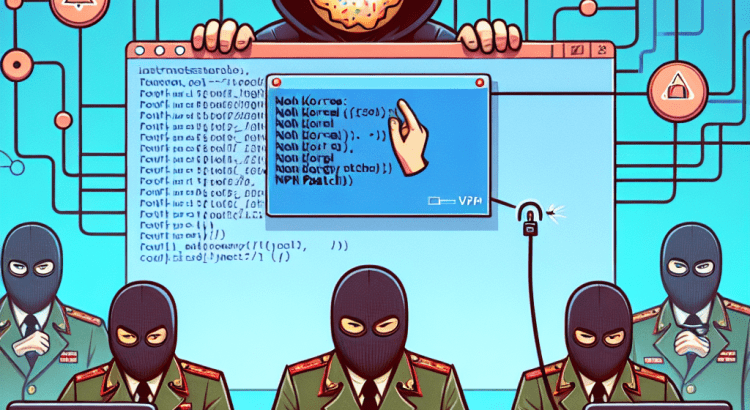
Severnokorejski hekerji izkoriščajo ranljivost popravka VPN, da vdrejo v omrežja

Severnokorejski hekerji izkoriščajo ranljivost popravka VPN, da vdrejo v omrežja

Novo opozorilo: Kibernetski napadi ciljajo na južnokorejski gradbeni in strojni sektor

Južnokorejska varnostna agencija je izdala skupno varnostno svetilo, ki opozarja na porast kibernetskih napadov, namenjenih sektorjema gradbeništva in strojnega inženirstva. Varnostno svetilo dviguje alarm glede sofisticiranih napadov, ki jih naj bi izvajale severnokorejske kibernetske skupine Kimsuky in Andariel, katerih cilj je pridobivanje tajnih podatkov za domačo industrijsko uporabo.

Varnostno svetilo vključuje podrobne informacije o taktikah, tehnikah in postopkih (TTPs), ki jih uporabljata te skupine, ter kazalce kompromitov (IoCs). Višja ogroženost je povezana s Severno Korejo in njeno novo politiko hitrega industrializiranja, kar je privedlo do povečanja kibernetsko obveščevalnih dejavnosti, ki ciljajo na južnokorejske industrijske sektorje.

Kimsuky in sofisticirani napadi na gradbeništvo

Kimsuky je izvedel sofisticiran kibernetski napad na južnokorejski gradbeni sektor januarja 2024. Napadalci so kompromitirali legitimno varnostno programsko opremo, ki se uporablja za prijavo na spletne strani. S tem so distribuirali malware, ki je izbežal opazovanju nekaterih antivirusnih programov. Ko je bil malware nameščen, je zlahka zbiral podatke, kot so sistemske informacije, zaslone, podatke brskalnika, vključno z uporabniškimi imeni in piškoti.

Napad je kombiniral tehniko dodatne verige in vodočrto, ki je izkoriščala napake na spletnih straneh ciljnih organizacij za razdelitev nevarne kode. Skupina Kimsuky je ciljala na gradbeni sektor tako, da je ukradla legitimne digitalne certifikate in jih uporabila za podpis malwareja, ki je bil nato razširjen prek okuženih spletnih strani, ki jih pogosto obiskujejo uporabniki iz gradbeniškega sektorja.

Glavni cilj napada so bile vlade in organizacije v gradbenem sektorju za pridobitev dostopa do zaupnih informacij o velikih gradbenih projektih in tehničnih podatkov od udeležencev. Vključitev funkcije kraje podatkov GPKI (General Public Key Infrastructure) v programski opremi malwareja nakazuje na namerni poskus povečanja obsega napada in ohranitve stalnega dostopa do kompromitiranih sistemov.

Andariel in ciljani napadi na strojni sektor

Skupina Andariel je izkoriščala pomanjkljivosti v domači informacijski varnostni programski opremi (VPN in strežnikih) za izvajanje ciljanih napadov na gradbeni in strojni sektor aprila 2024. Skupina je zamenjala legitimne datoteke za upravljanje z malwarejem, kar je omogočilo razširjanje DoraRAT-ja, remote dostopa trojana. Napadna veriga je uporabila napako v komunikacijskem protokolu med klientom in strežnikom VPN-ja, da bi zaobšla več varnostnih preverjanj in razdelila nevarno kodo.

DoraRAT malware je osnovna, vendar omogoča prenos datotek in izvrševanje nalog in je verjetno bila uporabljena za pridobitev velikih količin načrtov dokumentov, povezanih z mehanično opremo in inženiringom.

Po podatkih KCIC (Korea Cybercrime Investigation Center) so napadalci tudi izkoriščali pomanjkljivosti v programih za upravljanje strežnikov, kar kaže na tveganje, da bi ciljali na IT upravljalno programsko opremo zaradi njihovih privilegiranih dostopov.

Proaktivno pristopanje k varnosti

Severna Koreja usmerja svoje napade na pomanjkljivosti spletnih strani in informacijske varnostne programske opreme. Da bi se zaščitili, naj bi organizacije izvajale osebno varnostno usposabljanje za vse zaposlene, izvajale strožji nadzor nad distribucijo programske opreme in bile na tekočem z varnostnimi svetili vladnih organov.

Organizacije lahko izboljšajo razvoj svoje programske opreme z rednimi varnostnimi ocenami, ki jih nudi KISA (Korea Internet & Security Agency). Proaktivno obravnavanje teh področij lahko organizacijam pomaga zaščititi se pred kibernetskimi napadi.

💡 Namig dneva 💡

💡 Namig dneva: Vedno posodabljajte svojo varnostno programsko opremo in izvajajte redne varnostne preglede svojih sistemov. Izogibajte se ranljivostim, ki jih lahko izkoristijo kibernetski napadalci.

Zaključek

Kibernetski napadi, posebej usmerjeni proti sektorjem gradbeništva in strojnega inženirstva, predstavljajo resno grožnjo za varnost in stabilnost južnokorejske industrije. Skupine, kot sta Kimsuky in Andariel, uporabljajo izpopolnjene taktike za dostop do zaupnih informacij. Z rednim nadzorom varnostnih svetil in izvajanjem robustnih varnostnih ukrepov lahko organizacije bolje zaščitijo svoje kritične sisteme in preprečijo morebitne kršitve varnosti.

❕Če imate komentarje ali želite deliti svoje misli, prosimo, da jih pustite spodaj ali delite to novico na socialnih omrežjih!

URL izvora novice: [CyberPress](https://cyberpress.org/vpn-update-flaw-to-breach-networks/)

**Vir: CyberPress**

Ranljivost v Windows: Kontrola pametnih aplikacij in SmartScreen razkrijeta sisteme hekerjem

Ranljivost v Windows: Kontrola pametnih aplikacij in SmartScreen razkrijeta sisteme hekerjem

Odkrivanje ranljivosti v sistemih ogroža podatke

V zadnjih dneh je prišlo do odkritja pomembne ranljivosti v enem izmed najbolj razširjenih informacijskih sistemov na svetu. Ta ranljivost omogoča nepooblaščen dostop do sistemov in podatkov s strani kibernetskih napadalcev, kar pomeni resno grožnjo za varnost osebnih in finančnih informacij uporabnikov. Ranjivost se je pojavila zaradi napake v kodi, ki je bila vključena v sistem, in ta napaka omogoča hackerjem, da pridobijo dostop do zaupnih informacij ter povzročijo potencialno nepopravljivo škodo.

Obseg težave

Ranjivost je bila odkrita v sistemu, ki ga uporabljajo številne organizacije in podjetja po vsem svetu, vključno z bančnimi institucijami, zdravstvenimi organizacijami, trgovinskimi podjetji ter vladnimi agencijami. To pomeni, da je lahko na milijone uporabnikov izpostavljenih zaradi te varnostne pomanjkljivosti. Kadar napadalci izkoristijo tako vrsto ranljivosti, lahko pridobijo dostop do občutljivih podatkov, vključno z gesli, številkami kreditnih kartic, zdravstvenimi zapisi in drugimi osebnimi informacijami.

Kako se je ranljivost pojavila

Vzrok za ranljivost je napaka v kodi, ki je bila vključena v sistem med razvojem programske opreme. Ta napaka omogoča napadalcem, da izvedejo različne vrste napadov, kot so injiciranje zlonamerne kode, dostop do modulov, ki naj bi bili po privzetku varovani, ter exfiltracijo podatkov. Kljub temu, da so razvijalci pozorni na varnostne protokole, je včasih težko zaznati vse možne napake, preden program pride do končnega uporabnika.

Možne posledice

Posledice takšnih ranljivosti so lahko zelo hude. Če napadalci uspešno izkoristijo ranljivost, lahko pride do kraje identitete, finančne goljufije, izgube zaupnih podatkov in celo motenj v delovanju celotnih organizacij. To lahko privede do resne izgube zaupanja med strankami in javnostjo, kot tudi do velikih finančnih izgub za podjetja, ki ne uspejo pravočasno zavarovati svojih sistemov.

Ukrepi za odpravo ranljivosti

Organizacije in podjetja, ki uporabljajo prizadeti sistem, morajo takoj ukrepati, da zavarujejo svoje podatke. Prvi korak je identificiranje in popravilo napake v kodi, ki omogoča ranljivost. Programerji morajo izvesti podrobno analizo kode, da zagotovijo, da so vse varnostne luknje zaprte. Nato je priporočljivo izvajanje celovitih varnostnih preskusov, da se zagotovi, da popravek dejansko odpravlja problem in ne povzroča novih težav.

Namig dneva:

💡 Namig dneva: Redno posodabljanje programske opreme je ključ do zmanjšanja tveganja za napade. Preverite, da imate vedno najnovejše varnostne popravke nameščene na svojih sistemih!

Preprečevanje bodočih ranljivosti

Najboljša obramba pred podobnimi težavami v prihodnosti je proaktivna varnostna strategija. To vključuje redno posodabljanje programske opreme, uporabo naprednih varnostnih rešitev, kot so požarni zidovi in protivirusni programi, ter stalno izobraževanje osebja o varnostnih grožnjah in najboljših praksah za zaščito podatkov.

Poleg tega, da se organizacije obrnejo na zunanje strokovnjake za kibernetsko varnost, ki lahko pomagajo oceniti trenutne varnostne ukrepe in predlagati izboljšave, lahko pomagajo tudi interne varnostne politike, ki se osredotočajo na večnivojsko varnost, revizijo dostopnih pravic in uporabo kriptografskih metod za zaščito podatkov.

Zaključek

Ranjivosti v informacijskih sistemih predstavljajo resno grožnjo za varnost podatkov. Pomembno je, da organizacije in podjetja, ki uporabljajo te sisteme, strokovno in hitro ukrepajo za odpravo varnostnih lukenj. Z rednim posodabljanjem sistemov, izobraževanjem zaposlenih ter izvajanjem varnostnih ocen in popravkov lahko preprečimo, da bi kibernetski napadalci izkoristili te ranljivosti in povzročili škodo.

❕Če imate komentarje ali želite deliti svoje misli, prosimo, da jih pustite spodaj ali delite to novico na socialnih omrežjih!

Vir: https://cyberpress.org/vulnerability-exposes-systems-to-hackers/

Unveiling the Latest IT Security Threat: ‘SLUBStick’ Linux Kernel Exploit Technique

Cybersecurity Researchers Unveil Novel Linux Kernel Exploitation Technique

Cybersecurity researchers have uncovered a groundbreaking Linux kernel exploitation technique known as SLUBStick. This innovative method has the potential to elevate a limited heap vulnerability to an arbitrary memory read-and-write primitive, posing a serious threat to system security.

The Intricacies of SLUBStick

The technique relies on a timing side-channel of the allocator to carry out a cross-cache attack reliably. Researchers from the Graz University of Technology have highlighted this vulnerability in a recent document. By leveraging this approach, attackers could exploit the Linux kernel’s structure to gain unauthorized access to sensitive information.

In essence, SLUBStick serves as a sophisticated tool for cybercriminals to breach security barriers and manipulate memory allocations within the Linux kernel. This novel method represents a significant advancement in the realm of cyber threats, necessitating proactive measures to safeguard systems against potential attacks.

Implications of SLUBStick Vulnerability

The emergence of SLUBStick poses a considerable risk to the integrity of Linux-based systems. By exploiting this vulnerability, malicious actors could manipulate memory functions to execute unauthorized commands, leading to data breaches, system compromises, and other detrimental consequences.

Protective Measures and Mitigation Strategies

In light of this newfound threat, it is crucial for organizations and individuals utilizing Linux systems to implement robust security measures. This includes regularly updating software, deploying intrusion detection systems, and conducting security audits to identify and address vulnerabilities promptly.

Additionally, cybersecurity professionals are encouraged to stay informed about the latest trends in kernel exploitation techniques and collaborate with industry experts to enhance cyber resilience. By adopting a proactive approach to cybersecurity, businesses and individuals can mitigate the risks associated with advanced threats like SLUBStick.

Conclusion

In conclusion, the discovery of the SLUBStick vulnerability underscores the ever-evolving nature of cyber threats and the importance of maintaining vigilance in safeguarding critical systems. By understanding the intricacies of this novel exploitation technique and taking proactive security measures, organizations and individuals can fortify their defenses against potential attacks. Stay informed, stay secure, and stay ahead of cyber adversaries.

Tveganje podatkov: Številka registriranih podatkov izpostavljenih v enem največjih vdorov v podatke vseh časov

Tveganje podatkov: Številka registriranih podatkov izpostavljenih v enem največjih vdorov v podatke vseh časov

Varnostna napaka razkrila osebne podatke več kot 29 milijard ljudi

V eni od največjih napak računalniške varnosti vseh časov so bili izpostavljeni podatki več kot 29 milijard ljudi. Gre za eno največjih kršitev varnosti doslej, saj so bili izpostavljeni osebni podatki, kot so polna imena, naslovi in številke socialne varnosti. Ta incident predstavlja ogromen udarec za zaščito osebnih podatkov na spletu.

Pomen varnosti osebnih podatkov

Pri tej kršitvi varnosti so bili izpostavljeni podatki, ki omogočajo neposredno identifikacijo posameznikov. Ti podatki vključujejo polna imena posameznikov, njihove stanovanjske naslove in številke socialne varnosti. To je zelo resna situacija, saj se ti podatki lahko uporabijo za krajo identitete, goljufije in druge zlonamerne dejavnosti.

Obseg napada

S skupno več kot 29 milijardami prizadetih ljudi, ta incident predstavlja brez primere zgodovinski dogodek v svetu računalniške varnosti. Ni jasno, kako so napadalci pridobili dostop do tako velikega števila podatkov ali kakšno vrsto ranljivosti so izkoristili. Toda posledice so obsežne in dolgotrajne.

Odziv organizacij in institucij

Organizacije in institucije po vsem svetu se trudijo razumeti obseg kršitve in kako bi lahko bolje zaščitile podatke svojih uporabnikov. Strokovnjaki za kibernetsko varnost opozarjajo, da morajo organizacije okrepiti svoje sisteme za zaščito pred takšnimi incidenti in uvajati strožje varnostne ukrepe.

Posledice za prizadete posameznike

Posamezniki, katerih podatki so bili razkriti, se soočajo z resnimi tveganji za krajo identitete in druge vrste finančnih goljufij. Priporočljivo je, da čim prej spremenijo gesla za svoje spletne račune, spremljajo svoje bančne račune za morebitne sumljive dejavnosti in se obrnejo na ustrezne institucije za dodatne varnostne ukrepe.

Kaj lahko storimo, da zaščitimo svoje podatke?

Medtem ko so tehnične rešitve za izboljšanje varnosti vedno bolj napredne, se morajo tudi uporabniki sami zavedati pomena varovanja svojih osebnih podatkov. Tukaj je nekaj korakov, ki jih lahko vsak od nas sprejme za dodatno zaščito:

  • Uporabljajte močna in edinstvena gesla za različne račune.
  • Pazite na sumljive e-pošte ali sporočila in ne klikajte na povezave iz neznanih virov.
  • Redno posodabljajte svojo programsko opremo in varnostne nastavitve.
  • Uporabite dvostopenjsko overjanje pri vseh spletnih storitvah, kjer je to možno.

Podrobnosti incidenta

Podrobnosti o tem, kako je prišlo do te ogromne kršitve varnosti, so še vedno skrite. Strokovnjaki poskušajo določiti izhodiščno točko napada, obseg prizadetih organizacij in uporabljene tehnike. Prvotna preiskava kaže, da je prišlo do večkratnih notranjih in zunanjih ranljivosti, ki so bile izkoriščene za pridobitev dostopa do občutljivih podatkov.

Odziv javnosti in napotki za naprej

Javnost je upravičeno zaskrbljena zaradi obsega in resnosti tega incidenta. Ljudje se vedno bolj zavedajo pomena svojih osebnih podatkov in pričakujejo od podjetij in institucij, da bodo storila vse, kar je mogoče, za zaščito teh podatkov.

V prihodnje bo potrebno bolj tesno sodelovanje med vladami, podjetji in strokovnjaki za kibernetsko varnost, da se preprečijo podobni incidenti. Uvedba strožjih zakonodajnih ukrepov ter izobraževanje javnosti o pomenu varnosti osebnih podatkov bosta ključna koraka naprej.

💡 Namig dneva: Redno spreminjajte gesla za vse svoje spletne račune in prepričajte se, da uporabljate močna in edinstvena gesla za vsako storitev posebej.

Uvedba naprednih varnostnih tehnik, redno posodabljanje programske opreme in spremljanje sumljivih dejavnosti so ključni koraki v boju proti kršitvam varnosti. Kot posamezniki moramo biti pozorni na pomen zaščite naših osebnih podatkov in sprejeti potrebne ukrepe, da se izognemo potencialnim zlorabam.

Tovrstni incidenti nas opominjajo na ranljivosti v digitalnem svetu in na potrebo po neprestanem izboljševanju varnostnih mehanizmov.

❕Če imate komentarje ali želite deliti svoje misli, prosimo, da jih pustite spodaj ali delite to novico na socialnih omrežjih!

[Vir: https://www.tomsguide.com/computing/online-security/29-billion-hit-in-one-of-largest-data-breaches-ever-full-names-addresses-and-ssns-exposed]

Unveiling GoGra: A Stealthy Backdoor Threat Targeting South Asian Media Orgs

The Threat of GoGra: A New Backdoor Targeting Media Organizations in South Asia

In November 2023, an unnamed media organization in South Asia fell victim to a sophisticated cyberattack utilizing a previously undocumented backdoor named GoGra. The malicious tool, written in Go programming language, leverages the Microsoft Graph API to communicate with a command-and-control (C&C) server hosted on Microsoft mail services. This alarming discovery was highlighted in a report by Symantec, a cybersecurity division under Broadcom, that was shared with The Hacker News.

The Intricate Functionality of GoGra

The utilization of GoGra signifies a growing trend among threat actors to adopt more advanced and stealthy techniques to evade detection and carry out targeted attacks. By integrating with established services like the Microsoft Graph API, the backdoor demonstrates a clever attempt to blend in with legitimate traffic, making it harder for security teams to identify and block malicious activities.

Despite the detailed information provided by Symantec regarding the operation of GoGra, certain aspects of its capabilities and propagation methods remain undisclosed. Security experts are currently investigating the intricacies of this threat to devise effective countermeasures and protect potential targets from similar incursions.

Unanswered Questions Surrounding the Attack

One of the key mysteries surrounding the GoGra attack is how the perpetrators initially gained access to the targeted media organization’s network. Understanding the initial entry point is crucial in unraveling the full scope of the breach and preventing future intrusions. Without this vital piece of information, security analysts face a significant challenge in determining the extent of the damage caused by the attack and the potential vulnerabilities that were exploited.

As the investigation into the GoGra incident continues, cybersecurity professionals are working diligently to uncover any additional details that could shed light on the motives and tactics of the threat actors behind the operation. By piecing together the fragments of information available, security teams aim to build a comprehensive understanding of the attack chain and fortify defenses against similar threats in the future.

The Implications of GoGra and the Importance of Vigilance

The emergence of GoGra as a sophisticated backdoor targeting a media organization in South Asia serves as a stark reminder of the ever-evolving landscape of cybersecurity threats. With cybercriminals constantly innovating new malware variants and attack vectors, organizations must remain vigilant and proactive in enhancing their security posture to mitigate risks effectively.

Recommendations for Enhancing Cybersecurity Resilience

In light of the GoGra incident, organizations are encouraged to implement the following measures to bolster their cybersecurity defenses:

1. Conduct regular security assessments and penetration testing to identify and address potential vulnerabilities in the network.
2. Invest in advanced threat detection solutions that can monitor and analyze network traffic for signs of malicious activity.
3. Educate employees about the importance of practicing good cyber hygiene and exercising caution when interacting with emails and attachments.
4. Stay informed about the latest cybersecurity trends and threats to proactively adapt security strategies to combat emerging risks.

By adopting a proactive and comprehensive approach to cybersecurity, organizations can better safeguard their assets and data from sophisticated threats like GoGra, ensuring business continuity and resilience in the face of evolving cyber dangers.

Unveiling the Root Cause Behind Global System Outages

CrowdStrike’s Root Cause Analysis of Falcon Sensor Software Update Crash

Cybersecurity firm CrowdStrike recently documented a root cause analysis elucidating the unfortunate Falcon Sensor software update debacle that caused widespread havoc on numerous Windows devices worldwide. The mishap, dubbed the “Channel File 291” incident in their Preliminary Post Incident Review (PIR), has been attributed to a content validation glitch stemming from the implementation of a new Template Type.

The Unforeseen Consequences of the Update

The integration of the Template Type, intended to enhance functionality and customization, inadvertently triggered a cascade of events that culminated in a system-wide crash upon deployment. This unforeseen consequence caught CrowdStrike and its users off guard, leading to widespread disruptions and system unavailability.

Importance of Root Cause Analysis

In response to the incident, CrowdStrike conducted a meticulous root cause analysis to unearth the origin of the malfunction. By delving deep into the intricacies of the software update process, the company aimed to not only rectify the immediate issue but also fortify its systems against similar mishaps in the future. Through this introspective exercise, CrowdStrike demonstrated its commitment to transparency and continuous improvement in the realm of cybersecurity.

Lessons Learned and Mitigation Strategies

Lessons Learned

The Falcon Sensor software update crash served as a poignant reminder of the inherent complexities and potential pitfalls associated with software development and deployment. It underscored the importance of rigorous testing, thorough validation procedures, and comprehensive risk assessment before rolling out updates to a wide user base.

Mitigation Strategies

To prevent such incidents from recurring, CrowdStrike has implemented a series of mitigation strategies aimed at bolstering the resilience of its systems. These include enhanced content validation mechanisms, stricter quality control measures, and an augmented monitoring framework to swiftly identify and address anomalies in real-time.

Enhancing Customer Communication and Support

Transparent Communication

In the aftermath of the software update crash, CrowdStrike prioritized transparent communication with its customers, keeping them informed at every stage of the incident response process. By promptly acknowledging the issue, providing regular updates, and offering clear guidance on mitigation steps, the company sought to engender trust and confidence among its user base.

Robust Support Mechanisms

Additionally, CrowdStrike bolstered its customer support mechanisms to ensure that affected users received timely assistance and resolution. By harnessing its technical expertise and leveraging its customer service infrastructure, the company endeavored to minimize the impact of the incident on its clientele and mitigate any operational disruptions.

Conclusion: Navigating the Complexities of Cybersecurity

In conclusion, CrowdStrike’s root cause analysis of the Falcon Sensor software update crash serves as a poignant reminder of the intricate dance between innovation and risk in the realm of cybersecurity. By learning from past missteps, adopting proactive mitigation strategies, and prioritizing transparent communication and robust customer support, companies can navigate the complexities of the digital landscape with resilience and confidence.

Chameleon Android Banking Trojan: Unveiling the Threat of Fake CRM Apps

Cybersecurity Researchers Expose New Trickery by Chameleon Android Banking Trojan

In an ongoing battle against cyber threats, cybersecurity researchers have unearthed a new technique employed by threat actors associated with the Chameleon Android banking trojan. This strategy is aimed at deceiving users in Canada, as the trojan disguises itself as a Customer Relationship Management (CRM) application.

According to a report by Dutch cybersecurity firm ThreatFabric, the Chameleon trojan was observed presenting itself as a CRM app within the digital landscape. This particular instance involved the trojan setting its sights on a Canadian restaurant chain with a global presence.

The Deceptive Approach of Chameleon Trojan

The Chameleon Android banking trojan is sly and cunning in its methods, utilizing a facade that is not immediately recognizable as malicious. By posing as a CRM app, the trojan attempts to evade detection by appearing as a legitimate tool essential for business operations. This deceptive approach allows the threat actors to infiltrate unsuspecting users’ devices without raising immediate red flags.

With cyber threats becoming more sophisticated and insidious, users must remain vigilant and cautious when downloading applications, especially those that request sensitive information or permissions that seem unnecessary for their stated functionality.

Implications for Canadian Users

Canadian users, particularly those associated with the targeted restaurant chain, should exercise caution and scrutinize the apps they download onto their devices. By being aware of the Chameleon trojan’s latest tactics, users can take proactive measures to protect their personal and financial data from falling into the hands of malicious actors.

As threats continue to evolve, it is crucial for individuals and organizations to stay informed about emerging cybersecurity trends and the deceptive strategies employed by cybercriminals. By staying educated and implementing robust security measures, users can fortify their defenses against potential cyber attacks.

The Importance of Staying Informed and Vigilant

In the ever-changing landscape of cybersecurity, staying informed and vigilant is paramount to safeguarding sensitive information and mitigating potential risks. Threat actors are constantly devising new techniques to bypass security measures and exploit vulnerabilities, making it essential for users to remain proactive in their approach to cybersecurity.

Remaining Proactive in Cybersecurity Practices

By staying proactive and continuously educating themselves on cybersecurity best practices, users can better protect themselves against emerging threats such as the Chameleon Android banking trojan. Implementing measures such as regular software updates, using strong and unique passwords, and exercising caution when downloading applications can significantly reduce the risk of falling victim to cyber attacks.

In conclusion, the revelation of the Chameleon trojan’s latest tactic serves as a reminder of the ever-present threat posed by cybercriminals. Through vigilance, awareness, and proactive cybersecurity practices, users can defend against such malicious actors and safeguard their digital assets effectively.