Fortra Releases Urgent Patch for Critical FileCatalyst Workflow Security Vulnerability

Fortra Resolves Critical Security Vulnerability in FileCatalyst Workflow

Fortra, a leading IT security firm, has recently mitigated a severe security vulnerability affecting FileCatalyst Workflow. This flaw could potentially be exploited by a malicious remote attacker to obtain administrative privileges within the system.

The identified vulnerability has been designated as CVE-2024-6633 and has received a high severity rating with a CVSS score of 9.8. The root cause of this security loophole revolves around the utilization of a static password for connecting to an HSQL database.

The Static Password Pitfall

One of the key weaknesses in the FileCatalyst Workflow system was the utilization of default credentials to access the HSQL database (HSQLDB). This static password setup introduced a significant security risk since it provided a straightforward pathway for unauthorized individuals to gain elevated administrative rights within the Workflow application.

This critical access point could potentially open up the entire FileCatalyst Workflow system to exploitation and compromise, making it imperative for a prompt resolution to safeguard the system from potential cyber threats.

Fortra’s Swift Response

Upon discovering this security vulnerability, Fortra acted swiftly to address the issue and provide a robust solution to mitigate the risk posed by the static password flaw in FileCatalyst Workflow. Their proactive response demonstrates a commitment to ensuring the security and integrity of their clients’ IT infrastructure.

By promptly identifying and resolving the CVE-2024-6633 vulnerability, Fortra has not only safeguarded FileCatalyst Workflow users from potential cyber attacks but has also showcased their expertise in proactive threat mitigation and resolution strategies.

Key Takeaways

In conclusion, the recent security incident involving FileCatalyst Workflow underscores the importance of proactive security measures in safeguarding IT systems against potential threats. The use of default or static passwords can create significant vulnerabilities that malicious actors can exploit to gain unauthorized access and compromise sensitive data.

Security firms like Fortra play a crucial role in identifying and addressing such vulnerabilities promptly to enhance the resilience of IT systems and protect organizations from cyber threats. It is essential for businesses to stay informed about potential security risks and work closely with experienced security professionals to implement robust security measures and practices.

By prioritizing cybersecurity and partnering with reputable security providers, organizations can effectively mitigate the risks posed by security vulnerabilities and safeguard their digital assets from malicious exploitation.


APT-C-60 Group Exploits WPS Office Flaw for SpyGlace Backdoor Deployment

South Korea-Aligned Cyber Espionage Group Exploits Zero-Day Vulnerability in Kingsoft WPS Office

In a recent incident, a cyber espionage group aligned with South Korea has been found exploiting a critical remote code execution vulnerability in Kingsoft WPS Office. This flaw, once zero-day and now patched, allowed the attackers to deploy a customized backdoor known as SpyGlace.

APT-C-60 Identified as the Threat Actor by Cybersecurity Firms

Cybersecurity firms ESET and DBAPPSecurity have identified the threat actor behind these attacks as APT-C-60. This group has been conducting espionage activities, particularly targeting Chinese and East Asian users.

The utilization of a zero-day vulnerability showcases the sophistication and persistence of APT-C-60 in leveraging advanced techniques to achieve their malicious objectives. This highlights the importance of robust security measures to defend against such sophisticated threats.

Implications of the Attack

The exploitation of the zero-day vulnerability in Kingsoft WPS Office to deploy the SpyGlace backdoor raises concerns about the security posture of widely used software applications. Organizations and individuals relying on such software must be vigilant and ensure timely patching to mitigate the risk of falling victim to similar attacks.

Additionally, the targeting of Chinese and East Asian users by APT-C-60 emphasizes the geopolitical motivations that often drive cyber espionage activities. Understanding the geopolitical landscape and potential threat actors targeting specific regions can help organizations better tailor their security defenses to mitigate such risks.

Recommendations for Defending Against Cyber Espionage

To defend against cyber espionage threats like the one posed by APT-C-60, organizations should prioritize the following security measures:

1. Regularly update and patch software to address known vulnerabilities.
2. Implement robust endpoint security solutions to detect and prevent unauthorized access.
3. Conduct regular security awareness training to educate employees about potential threats and how to avoid falling victim to social engineering tactics.
4. Deploy intrusion detection systems to monitor network traffic for suspicious activities.
5. Establish a incident response plan to quickly respond to and mitigate cybersecurity incidents.

By adopting a proactive and layered approach to cybersecurity, organizations can enhance their defenses against sophisticated threat actors like APT-C-60 and safeguard their sensitive data and assets.

In conclusion, the exploitation of the zero-day vulnerability in Kingsoft WPS Office by the APT-C-60 cyber espionage group underscores the need for organizations to prioritize cybersecurity and stay vigilant against evolving threats in the digital landscape. By implementing robust security measures and staying informed about potential threats, organizations can better defend against cyber espionage activities and protect their critical information.

BlackByte Ransomware Exploits VMware ESXi Vulnerability in New Cyber Attack Wave

The BlackByte ransomware group exploits VMware ESXi security flaw

The BlackByte ransomware group is like a persistent mosquito buzzing around the digital space, finding its way into vulnerable systems. They have been seen taking advantage of a security flaw that recently plagued VMware ESXi hypervisors, exploiting it to wreak havoc on unsuspecting victims.

Disarming security protections through vulnerable drivers

But wait, there’s more! These threat actors are not satisfied with just one entry point. They have also been spotted using various vulnerable drivers as a means to disarm security protections. It’s like having multiple sets of keys to break into a secure building – they are leaving no stone unturned in their quest to infiltrate systems.

It’s essential to keep systems updated and patched to prevent such exploits. Staying one step ahead of these cyber rascals is crucial to maintaining a secure digital environment.

The continuous evolution of BlackByte’s tactics

The BlackByte ransomware group seems to have mastered the art of perfecting their modus operandi. Their tactics, techniques, and procedures (TTPs) have become finely tuned over time, forming the bedrock of their malicious activities.

It’s like watching a dark orchestra conductor leading a symphony of cyber threats, each note perfectly timed to cause maximum damage. Understanding their playbook is essential in defending against their attacks.

Ransomware: The modern-day highway robbery

Ransomware attacks are akin to the highway banditry of old, where unsuspecting travelers were waylaid and forced to pay a toll for safe passage. In today’s digital age, these cyber highwaymen target systems, encrypting valuable data and demanding a ransom for its release.

Paying the ransom is like giving in to the demands of these modern-day outlaws. It’s crucial to have robust security measures in place to prevent falling victim to such attacks.

Securing your digital fortress

Protecting your digital fortress requires a multi-faceted approach. From keeping software updated to implementing robust security protocols, every measure counts in the battle against cyber threats.

The importance of regular security audits

Regular security audits are like health check-ups for your digital infrastructure. They help identify vulnerable areas that could potentially be exploited by threat actors. By conducting these audits regularly, you can stay ahead of potential security breaches and fortify your defenses.

Education: The first line of defense

Educating users about cybersecurity best practices is akin to arming them with shields and armor. Awareness about phishing emails, suspicious links, and the importance of strong passwords can go a long way in preventing security incidents.

As the digital landscape evolves, staying vigilant and proactive in securing your systems is paramount. By remaining informed and implementing robust security measures, you can defend your digital assets against the ever-looming threat of cyber attacks.

Beware: Latest QR Code Phishing Attack Targets Microsoft Sway for Credential Theft

The Rise of QR Code Phishing

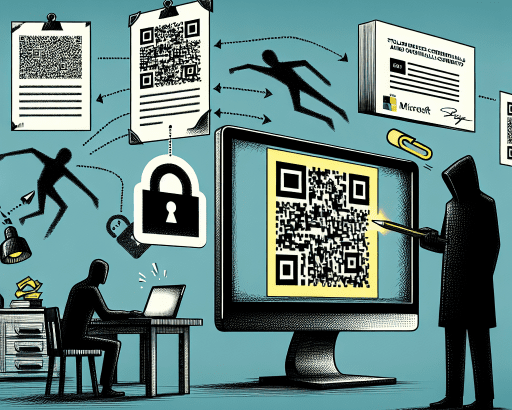
In the vast expanse of cyber threats, a new tactic has been brewing: QR code phishing, affectionately known as ‘quishing’ by cybersecurity insiders. The latest craze involves miscreants leveraging Microsoft Sway infrastructure to host fake pages, thereby exploiting legitimate cloud services for less-than-honorable endeavors.

Legitimacy in the Shadows

Netskope Threat researchers were quick to point out the insidious nature of this approach. By utilizing established cloud applications, cybercriminals cloak their nefarious deeds in a sheath of credibility. Victims, unsuspecting of foul play, are more likely to trust the content presented through familiar platforms, ultimately falling prey to the devious scheme.

While cloud services offer unparalleled convenience and accessibility, the flip side reveals a darker truth: these very same attributes can be exploited by threat actors to deceive users and perpetrate cyber attacks with alarming ease.

The QR Code Conundrum

In a world increasingly reliant on digital shortcuts, QR codes have become ubiquitous, adorning advertisements, business cards, and even restaurant menus. However, this convenience comes at a price. Cybercriminals have cunningly capitalized on the widespread acceptance of QR codes, using them as a vector for phishing attacks.

The Microsoft Sway Subterfuge

Microsoft Sway, a robust content creation tool, has unwittingly become an accomplice in this elaborate ruse. By hosting fake pages on Sway, threat actors can trick users into divulging sensitive information or unwittingly downloading malware. The seamless integration of malicious content within a legitimate platform enhances the illusion of authenticity, rendering users more susceptible to exploitation.

Security in the Cloud

The emergence of QR code phishing underscores the critical need for heightened cybersecurity measures, particularly within cloud environments. Organizations must remain vigilant against evolving threats, fortifying their defenses to thwart sophisticated attacks that leverage legitimate services for malicious ends.

Staying Ahead of the Curve

As cybercriminals continue to innovate and adapt their tactics, security professionals must stay one step ahead. Implementing robust security protocols, educating users on safe practices, and leveraging advanced threat detection technologies are paramount in safeguarding against the ever-evolving landscape of cyber threats.

In conclusion, the QR code phishing campaign utilizing Microsoft Sway exemplifies the cunning strategies employed by threat actors to exploit trusted platforms for malicious purposes. By raising awareness and strengthening defenses, organizations can mitigate the risk posed by such deceptive schemes and safeguard their sensitive data from falling into the wrong hands.

CISA Flags Critical Flaw in Apache OFBiz Amid Exploitation Reports

The High-Stakes: CISA Adds Critical Security Flaw of Apache OFBiz to KEV Catalog

In a recent development, the U.S. Cybersecurity and Infrastructure Security Agency (CISA) has taken a strong stance by including a critical security flaw related to the Apache OFBiz open-source enterprise resource planning (ERP) system in its Known Exploited Vulnerabilities (KEV) catalog. This move comes in response to documented instances of active exploitation of the vulnerability in the wild.

The Vulnerability at Hand: CVE-2024-38856

The identified vulnerability, officially designated as CVE-2024-38856, has been assigned a substantial Common Vulnerability Scoring System (CVSS) score of 9.8, implying its severe and critical nature. Such a high score underscores the urgency and criticality of addressing this security flaw promptly to prevent potential cyber threats and attacks.

The Apache OFBiz System: An Overview

Apache OFBiz is a popular open-source ERP system utilized by many enterprises for managing various business functions and operations efficiently. Its widespread usage makes it an attractive target for cybercriminals seeking to exploit vulnerabilities within the system for malicious purposes.

Implications and Protections: Safeguarding Against Exploitation

The acknowledgment of the CVE-2024-38856 vulnerability and its addition to the KEV catalog serve as a wake-up call for organizations utilizing the Apache OFBiz system. It highlights the importance of implementing robust security measures and promptly applying relevant patches and updates to mitigate the risk of exploitation.

Proactive Security Measures

To bolster the security posture of their systems, organizations are advised to stay informed about the latest cybersecurity threats and vulnerabilities. Regularly monitoring security advisories and promptly applying patches issued by software vendors can help prevent potential cyber incidents and data breaches.

Collaborative Efforts and Information Sharing

Additionally, fostering a culture of collaboration and information sharing within the cybersecurity community can enhance collective defense mechanisms against emerging threats. By sharing insights, best practices, and threat intelligence, organizations can strengthen their resilience and response capabilities.

Conclusion: Prioritizing Cybersecurity in a Dynamic Threat Landscape

The recognition of the CVE-2024-38856 vulnerability in the Apache OFBiz system underscores the evolving nature of cybersecurity threats and the essential role of proactive security measures in safeguarding critical systems and data. By remaining vigilant, proactive, and engaged in collaborative efforts, organizations can better protect themselves against cyber threats while contributing to a more secure digital ecosystem.

Critical WPML Plugin Flaw Exposes WordPress Sites to Remote Code Execution

WPML WordPress Plugin Vulnerability Exposes Critical Security Flaw

A recent disclosure has shed light on a critical security flaw affecting the WPML WordPress multilingual plugin. This vulnerability opens the door for authenticated users to remotely execute arbitrary code under specific conditions, making it a serious threat to website security.

Details of the Vulnerability

The vulnerability, officially dubbed CVE-2024-6386 and assigned a CVSS score of 9.9, impacts all versions of the WPML plugin released before version 4.6.13. The security loophole stems from a lack of proper input validation and sanitization, a common pitfall that can leave systems vulnerable to exploitation.

This flaw could allow malicious actors to bypass security measures and inject unauthorized code, potentially leading to devastating consequences for affected websites.

Immediate Action Required

In response to this critical issue, WPML released a patch in version 4.6.13 on August 20, 2024, aimed at addressing the security vulnerability. Website administrators and users are strongly advised to update their WPML plugin to the latest version promptly to ensure protection against potential exploits.

Failure to apply the patch could leave websites utilizing the WPML plugin exposed to attacks leveraging this vulnerability, compromising the security and integrity of the affected systems.

Lesson Learned

This incident serves as a stark reminder of the importance of proactive security measures in safeguarding digital assets. Regularly updating plugins and software, conducting security audits, and staying informed about potential vulnerabilities are vital steps in mitigating risks and enhancing cybersecurity resilience. Remember, in the ever-evolving landscape of cyber threats, staying one step ahead can make all the difference.

Conclusion

The WPML WordPress plugin vulnerability underscores the critical need for robust security practices in the realm of website management. By promptly applying security patches, staying informed about potential threats, and practicing vigilance in system monitoring, users can fortify their defenses against malicious actors seeking to exploit vulnerabilities for nefarious purposes. Remember, in the battle for cybersecurity, staying proactive is key.

macOS Version of HZ RAT Backdoor Targets Chinese Messaging App Users

Chinese Instant Messaging Apps Targeted by Apple macOS Backdoor

In a recent development, users of popular Chinese instant messaging apps such as DingTalk and WeChat have become the prime targets of a malicious backdoor called HZ RAT. This Apple macOS version of the backdoor is causing concern among cybersecurity experts.

Replicating Windows Functionality

According to Sergey Puzan, a researcher at Kaspersky, the artifacts associated with HZ RAT closely mirror the functionality of the Windows version of the backdoor. The primary difference lies in the payload delivery, where macOS users receive shell scripts from the attackers’ server.

First Appearance of HZ RAT

The emergence of HZ RAT on macOS marks a troubling trend in cyber attacks targeting users of popular messaging platforms. It is essential for users to be cautious and adopt security measures to protect themselves from such threats.

User privacy and security experts are raising concerns about the embeddable web login feature from Apple that allows users to log in to apps using Face ID and Touch ID. The feature could potentially expose users to phishing attacks.

The embeddable web login feature was introduced in iOS 15 and macOS Monterey to offer a more seamless login experience. However, security researchers warn that this convenience could come at a cost, as it may enable malicious actors to create realistic-looking login prompts to deceive users.

Security Concerns Surrounding Apple’s Embeddable Web Login Feature

In the realm of user privacy and security, experts are expressing apprehension regarding Apple’s embeddable web login feature. This functionality enables users to log in to various applications using Face ID and Touch ID, enhancing convenience. Nonetheless, concerns have surfaced about the potential risks associated with this feature.

Phishing Vulnerabilities

Security researchers are pointing out that the ease of logging in via Face ID and Touch ID could inadvertently expose users to phishing attacks. Malicious entities could exploit this feature by creating sophisticated login prompts that mimic legitimate applications, tricking users into providing sensitive information.

Balancing Convenience and Security

As Apple continues to innovate and introduce user-friendly features, it is crucial to strike a balance between convenience and security. Users are advised to remain vigilant and employ best practices to safeguard their personal data in the evolving landscape of digital threats.

The US Cybersecurity and Infrastructure Security Agency (CISA) has issued a warning about the growing threat posed by ransomware attacks on operational technology (OT) systems. These attacks have the potential to disrupt critical infrastructure, such as energy, water, and transportation systems.

CISA emphasizes the importance of implementing robust security measures for OT systems and recommends organizations to take proactive steps to protect against ransomware threats. Collaboration between government agencies, industry partners, and cybersecurity experts is essential in mitigating the impact of these attacks.

CISA Warns of Rising Ransomware Threat to Operational Technology Systems

The US Cybersecurity and Infrastructure Security Agency (CISA) has raised alarms about the escalating danger of ransomware assaults targeting operational technology (OT) systems. These attacks pose a significant risk to critical infrastructure sectors like energy, water, and transportation.

Protecting Critical Infrastructure

To fortify the resilience of OT systems against ransomware threats, CISA stresses the necessity of implementing robust security protocols. Organizations are urged to proactively bolster their defenses and collaborate with governmental agencies, industry stakeholders, and cybersecurity professionals to combat the growing menace.

Collective Action Against Ransomware

In the face of mounting ransomware threats, collaborative efforts are indispensable in fortifying defenses and mitigating the potential impact on essential services and infrastructure. Vigilance, preparedness, and cooperation are key elements in safeguarding critical systems from disruptive cyber attacks.

Chinese Volt Typhoon Exploits Versa Director Flaw, Targets U.S. and Global IT Sectors

The China-nexus cyber espionage group Volt Typhoon Strikes

A recent cyber threat has emerged from a group known as Volt Typhoon, who are believed to have orchestrated a zero-day exploitation of a serious security vulnerability affecting Versa Director. This incident has targeted five victims, with four in the U.S. and one overseas. The victims include organizations in the Internet service provider (ISP), managed service provider (MSP), and information technology (IT) sectors.

This intrusion signifies a strategic move by Volt Typhoon, a China-linked cyber espionage group, to exploit vulnerabilities for potential intelligence gathering and data exfiltration. The attackers have displayed a high level of sophistication and capability in their operations, warranting moderate confidence in attributing these activities to them.

Zero-Day Exploitation and Implications

Zero-day exploitation refers to the exploitation of a security vulnerability that is unknown to the software vendor or has not been patched yet. In this case, Versa Director, a critical network management software, has been targeted. The exploitation of zero-day vulnerabilities can have severe consequences, as attackers can gain unauthorized access to systems, steal sensitive information, disrupt operations, and potentially cause financial or reputational damage to the affected organizations.

Targeted Sectors and Victims

The specific targeting of organizations in the ISP, MSP, and IT sectors indicates a deliberate effort by Volt Typhoon to access valuable data and infrastructure. These sectors play a crucial role in providing internet services, managing IT resources, and supporting various businesses and industries. By compromising entities in these sectors, the threat actors can potentially gather intelligence, escalate their access to other networks, or launch further attacks.

The identification of both U.S. and non-U.S. victims suggests that Volt Typhoon’s operations extend beyond national borders, highlighting the global reach and impact of cyber threats. Such cross-border cyber espionage activities pose challenges for international cooperation and attribution efforts, complicating the response to sophisticated threat actors.

Attribution Challenges and Confidence Levels

Attributing cyber attacks to specific threat actors, especially state-sponsored groups like Volt Typhoon, can be a challenging task due to the use of advanced obfuscation techniques, false flag operations, and multiple layers of infrastructure. However, in this case, moderate confidence has been placed on Volt Typhoon based on the tactics, techniques, and procedures (TTPs) observed during the attacks.

Moderate confidence indicates a reasonable level of certainty in the attribution assessment, although there may still be some uncertainties or gaps in the evidence. It suggests that the analysts have identified consistent patterns and indicators pointing to a specific threat actor, but further investigation and collaboration may be needed to strengthen the attribution.

Security Recommendations and Mitigation Strategies

In response to the Volt Typhoon attacks and the exploitation of zero-day vulnerabilities, organizations in the ISP, MSP, and IT sectors are advised to enhance their security posture. This includes implementing timely software patches, conducting regular security assessments and audits, enhancing network monitoring and detection capabilities, and providing cybersecurity training to employees.

Collaboration with cybersecurity experts, information sharing platforms, and law enforcement agencies can also help organizations improve their resilience against advanced threats and mitigate the risk of cyber attacks. By staying informed about emerging threats, adopting best practices in cybersecurity, and investing in robust security measures, companies can better protect their data, systems, and reputation in an evolving threat landscape.

Unleashing the Power of CTEM: Gartner’s Game-Changing Categories for Exposing & Managing Cyber Threats

Exploring the Latest Trends in SecOps for 2024

In the dynamic world of cybersecurity, staying ahead of the latest trends is crucial. Gartner’s Hype Cycle for Security Operations for 2024 offers valuable insights into the evolving landscape of SecOps. One of the key areas highlighted in the report is Continuous Threat Exposure Management (CTEM), which plays a pivotal role in organizing and advancing security operations.

The Three Key Categories in CTEM

Within the domain of Continuous Threat Exposure Management, Gartner has identified three critical categories that are shaping the future of SecOps:

1. Threat Exposure Management: This category focuses on proactively identifying and mitigating potential threats before they can cause harm to an organization’s security posture. By implementing robust threat exposure management strategies, security teams can stay a step ahead of cyber threats.

2. Exposure Assessment Platforms (EAP): EAPs are tools and technologies that enable organizations to assess their exposure to various cyber risks comprehensively. These platforms provide valuable insights into vulnerabilities and weaknesses within an organization’s security infrastructure, allowing for targeted remediation efforts.

3. Adversarial: The adversarial category encompasses the tactics, techniques, and procedures employed by cyber adversaries to infiltrate and compromise systems. By understanding the adversarial landscape, security teams can better anticipate and defend against sophisticated cyber attacks.

Embracing Innovation in SecOps

As organizations navigate an increasingly complex threat landscape, embracing innovation in SecOps is essential to enhance their security posture. By leveraging emerging technologies and best practices, businesses can strengthen their defense mechanisms against evolving cyber threats.

The Role of Automation and Artificial Intelligence

Automation and artificial intelligence (AI) play a crucial role in modern SecOps, enabling organizations to streamline security processes, detect anomalies in real-time, and respond to incidents swiftly. By harnessing the power of automation and AI-driven security solutions, businesses can achieve greater efficiency and agility in their security operations.

The Importance of Threat Intelligence Sharing

Threat intelligence sharing has emerged as a vital component of effective SecOps. By collaborating with industry peers, sharing actionable threat intelligence, and participating in information-sharing initiatives, organizations can bolster their defenses and stay ahead of emerging threats. Building strong partnerships within the cybersecurity community is key to establishing a robust defense ecosystem.

Looking to the Future

As we look to the future of SecOps, it is clear that continuous innovation and collaboration will be paramount in safeguarding organizations against cyber threats. By staying informed about the latest trends, adopting a proactive approach to security, and investing in cutting-edge technologies, businesses can build resilient security operations that can withstand the challenges of tomorrow.

Microsoft Fixes ASCII Smuggling Flaw: Prevent Data Theft in Microsoft 365 Copilot

Unveiling a Vulnerability in Microsoft 365 Copilot

Details have recently surfaced about a security vulnerability in Microsoft 365 Copilot that has since been addressed, but its implications are worth noting. This vulnerability could have potentially facilitated the theft of sensitive user data through a method known as ASCII smuggling.

The Intricacies of ASCII Smuggling

ASCII smuggling involves leveraging unique Unicode characters that mimic ASCII characters but remain unseen in the user interface. This clever technique was highlighted by security researcher Johann Rehberger. It’s a subtle yet potent method that can be exploited by attackers to gain unauthorized access to sensitive information.

This discrepancy between the displayed text and the underlying Unicode characters can create a loophole that malicious actors could exploit. By utilizing these hidden characters, attackers could manipulate input mechanisms and potentially extract valuable data without raising suspicion.

The Implications for Microsoft 365 Copilot

The vulnerability identified in Microsoft 365 Copilot underscores the importance of continuous monitoring and updating of security protocols within software systems. While the issue has been promptly addressed by Microsoft, it serves as a reminder of the ever-evolving landscape of cybersecurity threats.

Technology companies must remain vigilant in identifying and mitigating vulnerabilities to safeguard user data and uphold the integrity of their platforms. By staying proactive and responsive to emerging security concerns, organizations can better protect their users from potential risks and breaches.

Enhancing security measures and conducting regular security assessments are crucial steps in fortifying software systems against potential threats like ASCII smuggling. By staying informed and proactive, organizations can bolster their defenses and minimize the impact of security vulnerabilities.

Advice for Securing IT Systems

In light of this revelation, it’s essential for organizations to prioritize cybersecurity best practices to mitigate risks effectively. Here are some tips to enhance the security of IT systems:

Regular Software Updates

Keeping software applications up to date with the latest security patches is critical in addressing known vulnerabilities. By promptly applying updates, organizations can close potential loopholes and strengthen their defenses against emerging threats.

Employee Training

Educating employees about cybersecurity best practices and potential risks can significantly reduce the likelihood of falling victim to malicious attacks. By promoting a culture of security awareness within the organization, employees can become proactive stakeholders in safeguarding sensitive data.

Secure Configuration Management

Implementing robust configuration management practices can help organizations maintain a secure IT environment. By configuring systems to adhere to security best practices and regularly monitoring for deviations, organizations can reduce the likelihood of unauthorized access and data breaches.

Conclusion

The vulnerability uncovered in Microsoft 365 Copilot serves as a poignant reminder of the ever-present challenges in cybersecurity. By addressing vulnerabilities promptly, staying informed about emerging threats, and implementing proactive security measures, organizations can effectively safeguard their systems and protect user data from potential exploitation. Prioritizing cybersecurity best practices and fostering a culture of security awareness are crucial steps in mitigating risks and fortifying defenses against evolving threats in the digital landscape.