Varnost API-jev pod drobnogledom: Kaj nas uči kršitev podatkov Dell

Incident, ki se je zgodil maja 2024, je bil eden največjih v zgodovini podjetja Dell, saj je razkril osebne podatke približno 49 milijonov strank. Kršitev podatkov je bila posledica izkoriščanja ranljivosti v API-ju partnerjevega portala, kar je razkrilo resne pomanjkljivosti v varnosti API-jev. V tej podrobni razlagi bomo raziskali, kaj se je zgodilo, kako je napad potekal, kakšne so bile posledice in kaj se lahko naučimo iz tega incidenta.

Kako je prišlo do napada

Registracija lažnih računov

Napadalec, znan kot “Menelik”, je najprej registriral več lažnih računov na Dellovem portalu za partnerje. Postopek registracije je bil presenetljivo enostaven; zahteval je le osnovne podatke o podjetju in razlog za partnerstvo. Instantno odobrenje je omogočilo dostop do portala brez preverjanja identitete, kar je napadalcu omogočilo dostop do občutljivih podatkov.

Izkoriščanje ranljivosti API-jev

Po pridobitvi dostopa do portala je Menelik razvil programsko opremo, ki je generirala sedemmestne oznake storitev. Te oznake so bile vnesene v portal, kar je omogočilo pridobitev povezanih informacij. Ker portal ni imel ustreznih omejitev hitrosti, je Menelik lahko pošiljal do 5000 zahtevkov na minuto, kar je omogočilo ekstrakcijo podatkov iz 49 milijonov zapisov strank v treh tednih.

Razkritje podatkov

Podatki, ki so bili ukradeni, so vključevali občutljive osebne informacije, kot so imena strank, naslovi, številke naročil in podrobnosti o strojni opremi. Menelik je poskušal podatke prodati na hekerskem forumu, vendar je bil njegov oglas hitro odstranjen.

Odkritje in odziv podjetja Dell

Prvo obvestilo o ranljivosti

Menelik je trdil, da je Dell obvestil o ranljivosti, ki jo je izkoristil, vendar podjetje ni ukrepalo takoj. Dell je prejel začetna poročila o ranljivosti 12. in 14. aprila, vendar ni bilo odziva, kar je omogočilo napadalcu nadaljevanje ekstrakcije podatkov. Dell je kasneje potrdil, da so bili seznanjeni s sumljivimi dejavnostmi, preden so prejeli obvestila od Menelika.

Preiskava in sodelovanje z organi pregona

Po incidentu je Dell začel preiskavo v sodelovanju z organi pregona in angažiral zunanje forenzične strokovnjake. Podjetje je obvestilo stranke o kršitvi in jih opozorilo, da so njihovi osebni podatki morda bili ogroženi.

Posledice kršitve podatkov

Vpliv na stranke

Kršitev podatkov je imela resne posledice za stranke, katerih podatki so bili razkrite. Stranke so bile obveščene, da so njihovi osebni podatki dostopni nepooblaščenim osebam, kar je povzročilo zaskrbljenost glede možnosti zlorabe teh podatkov. Mnoge stranke so mislile, da so njihovi podatki varni, saj jih je Dell zbiral za namene poslovanja, vendar ta incident kaže, da to ni nujno res. Kršitev je pokazala, da lahko tudi zaupanja vredna podjetja postanejo žrtve hekerskih napadov, če nimajo ustreznih varnostnih ukrepov.

Vpliv na podjetje Dell

Za Dell je ta incident pomenil resno škodo na ugledu in zaupnosti, kar lahko dolgoročno vpliva na poslovanje podjetja. Dell se je moral soočiti tudi z morebitnimi pravnimi posledicami in zahtevki za odškodnino. Incident je pokazal, da mora Dell izboljšati svoje varnostne prakse, da zaščiti podatke strank in ohrani njihovo zaupanje.

Lekcije in priporočila

Pomen varnosti API-jev

Ta incident jasno kaže, kako pomembno je, da podjetja izvajajo stroge varnostne ukrepe za zaščito svojih API-jev. Uvedba strožjih kontrol dostopa, izboljšanih postopkov preverjanja in omejevanja hitrosti je ključna za preprečevanje nepooblaščenega dostopa.

Kako bi F5 rešitev lahko rešila problem

F5 ponuja rešitve, ki lahko bistveno izboljšajo varnost API-jev in zmanjšajo tveganje za podobne napade. Njihove tehnologije vključujejo:

  • Učinkovito upravljanje dostopa: F5 rešitve omogočajo implementacijo naprednih kontrol dostopa, kar zagotavlja, da le pooblaščeni uporabniki lahko dostopajo do občutljivih podatkov.
  • Omejevanje hitrosti zahtevkov: F5 lahko pomaga pri uvedbi omejitev hitrosti, kar preprečuje avtomatizirane napade, kot je tisti, ki ga je izvedel Menelik, in omejuje število zahtevkov, ki jih lahko pošlje en sam uporabnik.
  • Napredna zaščita pred napadi: F5 rešitve vključujejo zaščito pred različnimi vrstami napadov, vključno z napadi DDoS in drugimi zlonamernimi dejavnostmi, kar dodatno ščiti API-je in podatke.
  • Monitoring in analitika: F5 omogoča spremljanje in analizo prometa v realnem času, kar pomaga pri odkrivanju in preprečevanju nenavadnih vzorcev obnašanja, ki bi lahko kazali na varnostne grožnje.

Zaključek

Kršitev podatkov Dell je opomin o ranljivostih, ki jih prinaša varnost API-jev. Organizacije morajo prioritizirati zaščito svojih API-jev, da zaščitijo občutljive podatke strank in ohranijo zaupanje. Usklajenost s predpisi bi morala biti naravni rezultat robustnega varnostnega programa, ne pa končni cilj. Ta incident je pokazal, kako lahko preproste pomanjkljivosti v procesih in tehnologiji vodijo do obsežnih kršitev podatkov. Stranke morajo biti pozorne, da tudi zaupanja vredna podjetja niso imuna na hekerske napade, če nimajo ustreznih varnostnih ukrepov. Vlaganje v varnost API-jev, vključno z rešitvami, kot je F5, je ključno za zaščito občutljivih podatkov in ohranitev zaupanja strank.

Kako F5 Distributed Cloud WAAP rešuje specifične izzive pri NIS2

F5 Distributed Cloud WAAP (Web Application and API Protection) predstavlja celovito rešitev za obvladovanje specifičnih izzivov, ki jih prinaša NIS2 direktiva. Ta direktiva, ki se osredotoča na izboljšanje varnosti omrežij in informacijskih sistemov v Evropski uniji, postavlja visoke standarde za organizacije, ki delujejo v kritičnih sektorjih. F5 WAAP združuje več ključnih komponent, ki so kritične za zagotavljanje varne digitalne izkušnje in izpolnjevanje zahtev regulative. V nadaljevanju bomo podrobneje obravnavali, kako F5 WAAP rešuje specifične izzive, povezane z NIS2.

1. Zaščita pred zlonamernimi napadi

Eden od glavnih izzivov, s katerimi se organizacije soočajo v okviru NIS2, je zaščita svojih informacijskih sistemov pred zlonamernimi napadi. F5 WAAP vključuje napredne funkcionalnosti, ki omogočajo učinkovito obrambo pred različnimi vrstami napadov.

Napredni požarni zid za aplikacije (WAF)

F5 WAAP vsebuje napreden požarni zid za aplikacije (WAF), ki je zasnovan za zaščito spletnih aplikacij pred napadi, kot so SQL injection, cross-site scripting (XSS), in napadi DDoS. Ta komponenta deluje kot posrednik med uporabniki in aplikacijami ter analizira promet, da prepozna in blokira zlonamerne zahteve.

  • Bihevioralna analitika: F5 WAF uporablja napredne algoritme in strojno učenje za prepoznavanje nenavadnih vzorcev obnašanja, kar omogoča hitro odkrivanje in blokiranje groženj, preden te dosežejo aplikacije.
  • Proaktivna zaščita: S proaktivnim pristopom k zaščiti aplikacij F5 WAAP zagotavlja, da so organizacije zaščitene pred znanimi in neznanimi grožnjami, kar je ključno za izpolnjevanje zahtev NIS2.

2. Upravljanje dostopa

Učinkovito upravljanje dostopa je še en pomemben vidik kibernetske varnosti, ki ga poudarja NIS2. F5 WAAP nudi centralizirano upravljanje dostopa, kar organizacijam omogoča, da nadzorujejo, kdo ima dostop do njihovih aplikacij in podatkov.

Centralizirano upravljanje dostopa

  • Večstopenjska avtentikacija: F5 APM (Access Policy Manager) omogoča večstopenjsko avtentikacijo, kar pomeni, da uporabniki morajo opraviti več preverjanj identitete, preden pridobijo dostop do sistemov. To dodatno povečuje varnost in zmanjšuje tveganje za nepooblaščen dostop.
  • Natančna avtorizacija: F5 WAAP omogoča natančno določitev, kateri uporabniki imajo dostop do katerih virov. To je še posebej pomembno v organizacijah, kjer so podatki razdeljeni med različne oddelke in uporabnike.
  • Revizija dostopa: F5 APM vključuje funkcionalnosti za spremljanje in poročanje o dostopu, kar organizacijam omogoča, da sledijo, kdo dostopa do katerih podatkov in kdaj. To je ključno za izpolnjevanje zahtev NIS2 glede nadzora in revizije.

3. Šifriranje podatkov

Zaščita podatkov med prenosom je ključna zahteva NIS2. F5 WAAP vključuje funkcionalnosti, ki zagotavljajo šifriranje občutljivih podatkov, kar je nujno za zaščito pred prestrezanjem in zlorabo.

Šifriranje prometa

  • SSL/TLS Orchestrator: F5 WAAP omogoča šifriranje prometa na ravni aplikacije, kar zagotavlja, da so vsi podatki, ki se prenašajo med uporabniki in aplikacijami, zaščiteni. To je ključno za zaščito osebnih in finančnih informacij.
  • Dešifriranje in analiza: F5 omogoča dešifriranje prometa za analizo, kar organizacijam omogoča, da prepoznajo in blokirajo morebitne grožnje, preden dosežejo njihove sisteme. Ta funkcionalnost je ključna za proaktivno obrambo pred napadi.

4. Poročanje in skladnost

NIS2 postavlja stroge zahteve glede poročanja o varnostnih incidentih. F5 WAAP omogoča organizacijam, da hitro in enostavno dokumentirajo varnostne incidente ter izpolnijo obveznosti poročanja.

Generiranje poročil

  • Analitična orodja: F5 WAAP vključuje napredna analitična orodja, ki organizacijam omogočajo hitro generiranje poročil o incidentih. To vključuje informacije o tem, kdo je dostopal do katerih podatkov, kdaj in kako.
  • Enotna platforma: F5 XC (Cross-Cloud) ponuja enotno platformo za spremljanje in analizo incidentov, kar omogoča hitro in učinkovito poročanje. Organizacije lahko enostavno dokumentirajo svoje varnostne prakse in izpolnjujejo zahteve NIS2 glede poročanja o incidentih.

5. Zmanjšanje napadov DDoS

DDoS napadi so vse pogostejši in lahko povzročijo resne težave za organizacije, ki se trudijo izpolniti zahteve NIS2. F5 WAAP vključuje zaščito pred DDoS napadi, kar je ključno za ohranjanje poslovne kontinuitete.

Celovita zaščita pred DDoS

  • Napredne zaščitne funkcionalnosti: F5 WAAP nudi zaščito pred DDoS napadi, kar zagotavlja, da aplikacije ostanejo dostopne tudi v primeru napadov. To vključuje filtriranje prometa in preusmerjanje napadov, kar zmanjšuje vpliv na delovanje aplikacij.
  • Prilagodljive nastavitve: Organizacije lahko prilagodijo nastavitve zaščite pred DDoS, da ustrezajo svojim specifičnim potrebam in zahtevam, kar povečuje učinkovitost zaščite.

6. Celovit pregled in nadzor

F5 WAAP omogoča organizacijam, da pridobijo celovit pregled nad svojim portfeljem aplikacij in API-jev. To je ključno za izpolnjevanje zahtev NIS2 glede nadzora in revizije.

Vidnost in nadzor

  • Spremljanje prometa: F5 omogoča natančno spremljanje prometa v realnem času, kar organizacijam omogoča, da hitro prepoznajo nenavadne vzorce in potencialne grožnje. To je ključno za proaktivno obrambo in hitro ukrepanje v primeru incidentov.
  • Revizijska sled: F5 WAAP omogoča ustvarjanje revizijskih sledi, kar organizacijam olajša sledenje dostopu do podatkov in sistemov. To je ključno za izpolnjevanje zahtev NIS2 glede nadzora in poročanja.

7. Prilagodljivost in integracija

F5 WAAP je zasnovan tako, da se enostavno integrira z obstoječimi sistemi in infrastrukturo. Ta prilagodljivost je ključna za organizacije, ki želijo izkoristiti obstoječe naložbe in izboljšati svojo varnostno stanje.

Enostavna integracija

  • API in odprti standardi: F5 ponuja široko paleto API-jev in podpira odprte standarde, kar omogoča enostavno integracijo z različnimi orodji in sistemi za upravljanje varnosti.
  • Prilagodljive rešitve: F5 WAAP rešitve so prilagodljive in omogočajo organizacijam, da jih prilagodijo svojim specifičnim potrebam in zahtevam, kar povečuje njihovo učinkovitost in uporabnost.

8. Stalno izboljševanje in inovacije

F5 nenehno investira v raziskave in razvoj, kar pomeni, da njihove rešitve ostajajo na vrhu tehnološkega napredka in se prilagajajo novim grožnjam.

Inovativne rešitve

  • Napredne tehnologije: F5 WAAP vključuje najnovejše tehnologije, kot so strojno učenje in umetna inteligenca, za izboljšanje zaščite pred grožnjami in optimizacijo delovanja aplikacij.
  • Redne posodobitve: F5 redno posodablja svoje rešitve, kar zagotavlja, da so organizacije zaščitene pred najnovejšimi grožnjami in izzivi v kibernetskem okolju.

Zaključek

F5 Distributed Cloud WAAP se izkaže kot učinkovita rešitev za obvladovanje specifičnih izzivov, ki jih prinaša NIS2 direktiva. Z naprednimi funkcionalnostmi za zaščito aplikacij, upravljanje dostopa, šifriranje podatkov, poročanje in zaščito pred DDoS napadi, F5 WAAP omogoča organizacijam, da ne le izpolnijo regulativne zahteve, temveč tudi zagotovijo varno in zanesljivo digitalno izkušnjo. S svojo prilagodljivostjo, inovativnostjo in sposobnostjo integracije z obstoječimi sistemi F5 WAAP predstavlja celovito rešitev za organizacije, ki se želijo uspešno spoprijeti z izzivi kibernetske varnosti v skladu z NIS2.

Ireland’s Watchdog Launches Inquiry into Google’s AI Data Practices in Europe

The Irish Data Protection Commission Initiates Inquiry into Google’s AI Model

The Irish Data Protection Commission (DPC) has raised eyebrows by launching a formal investigation into Google’s essential artificial intelligence (AI) model. This inquiry aims to ascertain whether the tech giant has upheld data protection laws while handling the personal information of European users.

Key Points of the Inquiry

The statutory inquiry delves into whether Google has followed the established data protection regulations when processing the personal data of European users. This investigation underscores the importance of ensuring that tech companies, especially those dealing with AI and personal data, comply with privacy laws to safeguard user information effectively.

The Significance of Data Protection Compliance

Data protection compliance is crucial in this digital age, where vast amounts of personal information are processed daily. Ensuring that companies like Google adhere to data protection laws is essential for maintaining user trust and safeguarding individuals’ privacy rights.

In today’s interconnected world, where data breaches and privacy violations are rampant, regulatory bodies play a pivotal role in holding companies accountable for protecting user data.

The Role of the Irish Data Protection Commission

The Irish Data Protection Commission serves as a watchdog, overseeing tech giants like Google to ensure they handle user data responsibly and in compliance with data protection laws. By launching this inquiry, the DPC is demonstrating its commitment to upholding data protection regulations and safeguarding the privacy rights of European users.

Implications for Google

For Google, this inquiry could have significant implications. If found to have violated data protection laws, the tech giant may face hefty fines and reputational damage. Compliance with data protection regulations is not just a legal requirement but also essential for maintaining a positive brand image and fostering user trust.

User Trust and Data Protection

User trust is paramount in the digital landscape. When users entrust their personal information to companies like Google, they expect that data to be handled securely and in compliance with privacy laws. Any breaches of this trust can have far-reaching consequences for both the company’s reputation and user loyalty.

The Future of Data Protection Regulation

As technology continues to advance, data protection regulation will play an increasingly critical role in safeguarding user privacy. Regulatory bodies worldwide must remain vigilant in monitoring tech companies’ data handling practices to ensure that user data is protected effectively.

Conclusion

In conclusion, the Irish Data Protection Commission’s inquiry into Google’s AI model reflects the growing importance of data protection compliance in the digital age. By scrutinizing tech giants’ data practices, regulatory bodies can hold companies accountable for safeguarding user data and upholding privacy rights. This inquiry serves as a reminder that data protection is not just a legal obligation but a fundamental aspect of building and maintaining user trust in today’s technology-driven world.

Iranian Cyber Group OilRig Strikes Again: Targeting Iraqi Government with Sophisticated Malware Attack

Iraqi Government Networks Targeted by Iranian State-Sponsored Cyber Attacks

Iraqi government networks are facing a wave of sophisticated cyber attacks orchestrated by an Iran-based threat actor known as OilRig. This state-sponsored group has set its sights on prominent Iraqi organizations, including the Prime Minister’s Office and the Ministry of Foreign Affairs. According to cybersecurity firm Check Point, these attacks are part of an elaborate campaign designed to infiltrate and compromise sensitive government systems.

The Culprit: OilRig AKA APT34, Crambus, Cobalt Gypsy, GreenBug

OilRig, also known by aliases like APT34, Crambus, Cobalt Gypsy, and GreenBug, is a well-known threat actor with ties to the Iranian government. The group has a history of launching cyber attacks against various targets in the Middle East region, with a focus on espionage and data theft. OilRig’s tactics typically involve using advanced malware and social engineering techniques to gain access to targeted networks and exfiltrate confidential information.

Check Point’s Analysis Reveals the Scope of the Attacks

Check Point, a leading cybersecurity company, conducted an analysis of the ongoing cyber attacks targeting Iraqi government networks. The report highlighted the sophisticated nature of the attacks and the specific organizations that have been singled out by the threat actor. The Prime Minister’s Office and the Ministry of Foreign Affairs were among the primary targets, indicating the strategic importance of these institutions to the attackers.

Implications for Iraq’s National Security

The targeting of key government agencies in Iraq raises concerns about the potential impact of these cyber attacks on the country’s national security. The compromised networks could be used to gather sensitive intelligence, disrupt government operations, or carry out other malicious activities that pose a threat to Iraq’s stability and sovereignty. As a result, it is crucial for Iraqi authorities to address these security breaches promptly and implement robust cybersecurity measures to mitigate future risks.

Recommendations for Enhancing Cybersecurity Defenses

In light of the escalating cyber threats faced by Iraqi government networks, it is essential to bolster cybersecurity defenses to safeguard critical infrastructure and sensitive data. Here are some recommendations to enhance the security posture of Iraqi organizations:

1. Regular Security Audits and Penetration Testing

Conducting regular security audits and penetration testing can help identify vulnerabilities in network systems and applications. By proactively assessing potential weak points, organizations can address security gaps before they are exploited by threat actors like OilRig.

2. Employee Training and Awareness Programs

Educating employees about cybersecurity best practices and raising awareness about common attack tactics can help prevent social engineering attacks and phishing scams. By training staff to recognize and report suspicious activities, organizations can mitigate the risk of insider threats and unauthorized access.

3. Implementing Multi-Factor Authentication (MFA)

Enforcing multi-factor authentication (MFA) for accessing sensitive systems and data can add an extra layer of security against unauthorized login attempts. By requiring multiple forms of verification, such as a password and a one-time passcode, MFA helps prevent unauthorized access even if login credentials are compromised.

Conclusion: Stay Vigilant Against Cyber Threats

As the frequency and sophistication of cyber attacks continue to rise, organizations must remain vigilant and proactive in defending against evolving threats. The recent targeting of Iraqi government networks by OilRig serves as a stark reminder of the persistent challenges posed by state-sponsored threat actors. By taking proactive steps to enhance cybersecurity defenses and prioritize threat intelligence, organizations can better protect their assets and secure critical infrastructure from malicious actors.

Top 3 Threat Report Insights for Q2 2024

Unveiling the Q2 2024 Cato CTRL SASE Threat Report

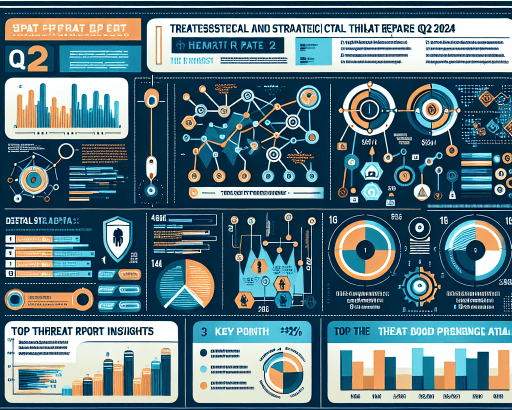
Cato CTRL (Cyber Threats Research Lab) recently dropped a bombshell in the cybersecurity realm with the release of its Q2 2024 Cato CTRL SASE Threat Report. This comprehensive report delves into the intricate analysis of a mind-boggling 1.38 trillion network flows extracted from over 2,500 of Cato’s esteemed global clientele. The data scrutinized spans the timeframe of April to June 2024, unveiling the prevalent cybersecurity landscape during this period.

Insights Galore: A Peek into the Report

The Q2 2024 Cato CTRL SASE Threat Report is not just any ordinary document; it is a treasure trove of invaluable insights that have the potential to reshape the way we view cybersecurity threats. Let’s delve into some of the key takeaways that emerged from this groundbreaking report:

The Rise of Sophisticated Threats

One of the most alarming revelations from the report pertains to the escalation of sophisticated cyber threats targeting businesses worldwide. As organizations continue to migrate towards digital transformation, cybercriminals are also upping their game by deploying advanced tactics to breach networks and exfiltrate sensitive data.

Cloud Security Concerns

Cloud computing has undeniably revolutionized the way businesses operate, offering convenience and scalability like never before. However, this convenience comes at a cost, as the report sheds light on the looming cloud security concerns that plague organizations. From misconfigured cloud settings to unauthorized access, the report underscores the pressing need for robust cloud security measures.

Remote Work Vulnerabilities

The shift towards remote work due to the global pandemic has opened up a Pandora’s box of vulnerabilities for organizations. The report emphasizes the heightened risks associated with remote work setups, including unsecured home networks, lack of endpoint security, and increased susceptibility to phishing attacks. It is imperative for businesses to fortify their remote work infrastructure to mitigate these looming threats effectively.

Recommendations and Best Practices

In light of the revelations brought forth by the Q2 2024 Cato CTRL SASE Threat Report, it is crucial for organizations to bolster their cybersecurity posture to thwart emerging threats effectively. Implementing the following recommendations and best practices can aid businesses in fortifying their defenses and staying one step ahead of cyber adversaries:

Embrace a Zero-Trust Model

Adopting a zero-trust approach to cybersecurity can significantly enhance an organization’s security posture by assuming that every device, user, and network is potentially compromised. This proactive stance ensures that access controls are strictly enforced and continuously monitored, mitigating the risks of unauthorized access and lateral movement within the network.

Invest in Comprehensive Training

Human error remains one of the leading causes of cyber incidents, underscoring the importance of investing in comprehensive cybersecurity training for employees. By educating staff on cybersecurity best practices, recognizing phishing attempts, and practicing good cyber hygiene, organizations can significantly reduce the likelihood of falling victim to social engineering attacks.

Implement Multi-Factor Authentication

Multi-factor authentication (MFA) serves as an additional layer of security that can prevent unauthorized access even in the event of compromised credentials. By requiring users to provide multiple forms of verification before accessing sensitive data or systems, organizations can thwart potential cyber threats and safeguard their digital assets effectively.

In Conclusion

The Q2 2024 Cato CTRL SASE Threat Report serves as a wake-up call for organizations to reevaluate their cybersecurity strategies in the face of evolving threats. By heeding the insights gleaned from this report and implementing robust security measures, businesses can fortify their defenses and navigate the turbulent cybersecurity landscape with resilience and confidence.

Enhancing IT Security: WordPress Enforces Two-Factor Authentication for Plugin and Theme Developers

Enhancing Security with Mandatory Two-Factor Authentication on WordPress.org

Introduction


In an effort to bolster account security, WordPress.org has unveiled a new policy that will make two-factor authentication (2FA) mandatory for accounts with the authority to update plugins and themes, starting from October 1, 2024.

The Significance of Two-Factor Authentication


Two-factor authentication has become a crucial tool in the fight against unauthorized access to online accounts. By requiring more than just a password for verification, 2FA adds an extra layer of security, making it significantly harder for malicious actors to breach accounts.

The Decision to Implement Mandatory 2FA


WordPress.org’s decision to mandate 2FA for accounts with commit access stems from the critical role these accounts play in the WordPress ecosystem. With the ability to push updates and modifications to plugins and themes that are utilized by a multitude of WordPress websites globally, these accounts hold immense influence and access.

The Deadline for Implementation


To ensure a smooth transition, WordPress.org has set the enforcement date for this new security measure as October 1, 2024. This timeline allows users to prepare for the change and ensure compliance before the policy comes into effect.

Preparing for the Change


For users who will be impacted by this mandatory 2FA implementation, now is the time to familiarize themselves with setting up and using two-factor authentication. By proactively learning about this security feature, users can streamline the transition process and avoid any disruptions to their workflow.

Embracing a Secure Future


While change can sometimes be met with resistance, embracing mandatory 2FA on accounts with commit access is a step towards a more secure WordPress environment. By prioritizing account security, WordPress.org is showing its commitment to safeguarding the integrity of the platform and the websites that rely on it.

Conclusion


In conclusion, the introduction of mandatory two-factor authentication for accounts with the ability to update plugins and themes on WordPress.org marks a proactive step towards strengthening security measures within the WordPress ecosystem. This initiative underscores the platform’s dedication to enhancing account security and protecting millions of websites worldwide from potential threats. By adhering to this new policy, users can contribute to a more secure and resilient WordPress community.

Quad7 Botnet Expands: Targeting SOHO Routers and VPN Appliances

Evolution of Quad7 Botnet

The Quad7 botnet operators are making waves in the cybersecurity world by constantly evolving their tactics. They are now targeting various brands of SOHO routers and VPN appliances, such as TP-LINK, Zyxel, Asus, Axentra, D-Link, and NETGEAR. This unsettling development was revealed in a recent report from Sekoia, a French cybersecurity company.

Security Flaws Exploited

To compromise these devices, the Quad7 botnet operators are exploiting a combination of known and unknown security vulnerabilities. This sophisticated approach allows them to infiltrate a wide range of devices, increasing their reach and impact.

This emphasizes the importance of regularly updating firmware and security patches on all internet-connected devices, as cybercriminals are quick to exploit any weaknesses they can find.

Challenges for Device Owners

For owners of the affected devices, this news poses significant challenges. They must stay vigilant and proactive in securing their devices to prevent falling victim to the Quad7 botnet operators’ malicious activities. Regularly checking for firmware updates and following cybersecurity best practices are crucial steps in mitigating the risk of compromise.

The Growing Threat of Botnets

Botnets like Quad7 pose a significant threat to cybersecurity worldwide. These networks of compromised devices can be used for various malicious activities, such as DDoS attacks, spreading malware, or mining cryptocurrency. The evolving tactics of botnet operators make them a formidable adversary for cybersecurity professionals and device owners alike.

Importance of Cybersecurity Awareness

In light of these developments, cybersecurity awareness has never been more critical. Device owners must understand the risks posed by botnets and take proactive measures to secure their devices. This includes implementing strong passwords, enabling firewalls, and disabling remote management features unless absolutely necessary.

Additionally, organizations and individuals should invest in cybersecurity training and resources to stay abreast of the latest threats and best practices for securing their digital assets.

Collaborative Efforts in Cybersecurity

Addressing the growing threat of botnets requires a collaborative effort from cybersecurity experts, device manufacturers, and users. By sharing information about new vulnerabilities and working together to develop and implement effective security measures, we can collectively strengthen our defenses against malicious actors like the Quad7 botnet operators.

In conclusion, the evolution of the Quad7 botnet highlights the ever-changing landscape of cybersecurity threats. By remaining vigilant, proactive, and informed, we can better protect our devices and digital assets from falling into the hands of cybercriminals.

Unveiling the DragonRank Black Hat SEO Attack on IIS Servers in Asia and Europe

The DragonRank Campaign: A Threat to SEO Security

In a recent development, a coordinated cyberattack campaign has emerged, targeting various countries across Asia and Europe. This campaign focuses on manipulating search engine rankings through illicit means, posing a serious threat to the integrity of SEO practices.

Codename: DragonRank

Cisco Talos, a prominent cybersecurity firm, has dubbed this nefarious operation as the DragonRank campaign. The actors orchestrating this scheme are described as “simplified Chinese-speaking,” indicating a possible origin or affiliation with entities in China.

Scope of the Attack

The footprint of the DragonRank campaign spans across multiple countries, including Thailand, India, Korea, Belgium, the Netherlands, and China. This wide geographical spread demonstrates the global reach and impact of the threat posed by these cybercriminals.

Black Hat SEO Tactics

The core strategy employed by the DragonRank campaign revolves around black hat SEO techniques. These illicit practices involve manipulating search engine algorithms to artificially boost the ranking of certain websites or content, thereby deceiving users and search engines alike.

Implications for SEO Security

The emergence of campaigns like DragonRank underscores the growing sophistication and audacity of cybercriminals in targeting the digital realm. By compromising the integrity of search engine results, these actors not only undermine the credibility of online information but also pose significant risks to businesses and individuals relying on SEO for visibility and traffic.

The Role of IT Security in Safeguarding Against SEO Threats

As the landscape of cyber threats continues to evolve, IT security professionals play a crucial role in defending against malicious activities such as the DragonRank campaign. By implementing robust cybersecurity measures and staying vigilant against emerging threats, organizations can protect their online assets and preserve the integrity of their SEO efforts.

Proactive Measures

To counter the threat posed by black hat SEO tactics, businesses and individuals can take proactive steps to enhance their cybersecurity posture. This includes regularly monitoring website traffic and search engine rankings, implementing strong authentication mechanisms, and staying informed about the latest cybersecurity trends and vulnerabilities.

Collaborative Efforts

Collaboration between cybersecurity firms, law enforcement agencies, and industry stakeholders is essential in combating sophisticated cyber threats like the DragonRank campaign. By sharing threat intelligence and coordinating response efforts, these entities can collectively mitigate the impact of such campaigns and protect the digital ecosystem.

Conclusion

The DragonRank campaign serves as a stark reminder of the ever-present cybersecurity challenges facing organizations and individuals in the digital age. By remaining vigilant, adopting proactive security measures, and fostering collaboration among stakeholders, the IT security community can effectively safeguard against emerging threats and preserve the integrity of online environments.

Singapore Police Arrest Six Hackers Linked to Global Cybercrime Syndicate

The Singapore Police Force Cracks Down on Cyber Criminals

The cybersecurity landscape is constantly evolving, and law enforcement agencies worldwide are always on the lookout for cybercriminals. Recently, the Singapore Police Force (SPF) made a significant breakthrough in their fight against cybercrime.

Arrest of Six Individuals

The SPF announced the arrest of five Chinese nationals and one Singaporean man for their alleged involvement in illicit cyber activities in the country. These individuals, aged between 32 and 42, were apprehended following a series of raids conducted by a group of about 160 law enforcement officials on September 9, 2024, across multiple locations simultaneously.

Allegations of Cybercrime

The six men are suspected of engaging in various cyber activities that may have compromised the digital security of individuals and organizations in Singapore. The nature and extent of their alleged crimes have not been disclosed in detail, but it is clear that the authorities are taking these matters seriously.

Collaborative Law Enforcement Efforts

The coordinated effort involving a large number of law enforcement officials highlights the importance of collaboration in combating cybercrime. Cybercriminals often operate across borders and jurisdictions, making it essential for authorities to work together to track them down and bring them to justice.

Importance of Cybersecurity

This incident serves as a reminder of the significance of robust cybersecurity measures for individuals, businesses, and government entities. Cyber threats are ever-present, and staying vigilant against potential attacks is crucial in today’s interconnected digital world.

Conclusion

The SPF’s successful operation against these alleged cybercriminals sends a strong message that cybercrime will not be tolerated in Singapore. It also emphasizes the importance of proactive cybersecurity practices to safeguard against online threats.

In conclusion, the swift action taken by the Singapore Police Force underscores the importance of constant vigilance and collaboration in the fight against cybercrime. By staying alert and implementing robust cybersecurity measures, individuals and organizations can better protect themselves against malicious actors in the digital realm.

Cracking the Code: The Challenge of Going Passwordless

The Promise and Perils of Passwordless Authentication

In the realm of cybersecurity, the idea of passwordless authentication has been gaining momentum as a potential solution to the perennial problem of password management. The allure is undeniable: the thought of never having to remember another password is appealing to both end users and IT teams alike. However, as with many things that sound too good to be true, the concept of passwordless authentication comes with its own set of challenges and considerations.

The Rise of Passwordless Authentication

For many organizations, the move towards passwordless authentication is becoming an increasingly attractive option. With the rise of biometric technologies such as fingerprint scanning and facial recognition, the traditional password is no longer the only means of verifying a user’s identity. Passwordless authentication aims to provide a more secure and user-friendly alternative to the cumbersome process of password management.

The Challenges of Going Passwordless

However, the road to passwordless authentication is not without its bumps. One of the primary concerns is the issue of security. While biometric authentication methods may offer a more convenient way to access systems and data, they also raise questions about privacy and the security of biometric data. Storing and securing biometric information presents a unique set of challenges that must be carefully considered and addressed.

Another challenge is the potential for increased complexity in the authentication process. Implementing passwordless authentication requires careful planning and consideration of the various factors involved, including the integration of new technologies and the impact on existing systems and workflows. It is essential to ensure that the transition to passwordless authentication is seamless and does not introduce new vulnerabilities or disrupt day-to-day operations.

Best Practices for Implementing Passwordless Authentication

Despite the challenges, there are best practices that organizations can follow to successfully implement passwordless authentication. One key consideration is the adoption of a multi-factor authentication approach that combines biometric technologies with other forms of authentication, such as PINs or security tokens. This layered approach can provide added security and resilience against potential threats.

Regularly updating and patching systems is also critical to maintaining the security of passwordless authentication mechanisms. Vulnerabilities in software or hardware can expose systems to cyber attacks, so it is essential to stay vigilant and proactive in addressing any security gaps.

The Future of Passwordless Authentication

While the concept of passwordless authentication holds great promise, it is not without its challenges. As technology continues to evolve, organizations must stay ahead of the curve and adapt their security strategies to address emerging threats and vulnerabilities. By carefully considering the implications and challenges of passwordless authentication, organizations can pave the way for a more secure and user-friendly authentication process in the digital age.

In conclusion, the move towards passwordless authentication represents a significant shift in how organizations approach cybersecurity. By understanding the challenges and best practices associated with passwordless authentication, organizations can embrace this innovative approach while mitigating potential risks and ensuring the security of their systems and data.