[embedyt] https://www.youtube.com/watch?v=Y3L4wRRyNWs[/embedyt]
What does SSL stand for?
a) Secure Socket Layer
b) System Security Lock
c) Safe Server Login
d) Synchronized System Link
[embedyt] https://www.youtube.com/watch?v=Y3L4wRRyNWs[/embedyt]

[embedyt] https://www.youtube.com/watch?v=2s-hNwu5Wig[/embedyt]
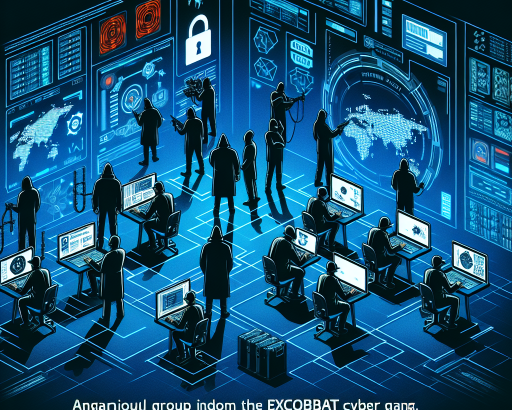
In a recent revelation by researchers Vladislav Lunin and Alexander Badayev from Positive Technologies, Russian organizations have been the unfortunate targets of a cybercrime gang known as ExCobalt. This group has been using a new Golang-based backdoor called GoRed to infiltrate these organizations. The primary focus of ExCobalt seems to be cyber espionage, hinting at a sophisticated and well-organized operation.
According to the researchers, ExCobalt includes several members who have been active since 2016. Interestingly, there is speculation that some of these members were previously associated with the infamous Cobalt Gang. The connections between ExCobalt and Cobalt Gang raise concerns about the level of expertise and resources available to this new cybercrime group.
The use of a previously unknown backdoor like GoRed demonstrates the group’s ability to develop sophisticated tools to carry out their attacks. The Golang-based nature of the backdoor adds another layer of complexity, making it harder for security experts to detect and defend against these malicious activities.
For Russian organizations, being targeted by a cybercrime group like ExCobalt can have severe implications. The risk of sensitive data being stolen or systems being compromised is a significant concern. It is crucial for these organizations to enhance their cybersecurity measures and stay vigilant against potential threats from sophisticated threat actors like ExCobalt.
As ExCobalt continues its cyber espionage activities, it is essential for Russian organizations to collaborate with cybersecurity experts and authorities to strengthen their defense mechanisms. Proactive monitoring, threat intelligence sharing, and regular security assessments can help organizations mitigate the risks posed by such advanced cyber threats.
Golang, also known as Go, is a programming language developed by Google that has gained popularity among developers for its simplicity and efficiency. However, cybercriminals are now leveraging Golang to create sophisticated malware and backdoors like GoRed, posing new challenges for cybersecurity professionals.
The appeal of Golang to cybercriminals lies in its versatility and performance. The language allows for the rapid development of complex and efficient malware, making it an attractive choice for attackers looking to stay ahead of security defenses. Additionally, the ease of cross-compilation in Golang enables attackers to create malware that can run on multiple platforms, increasing their reach and impact.
The use of Golang in cyber attacks presents challenges for cybersecurity professionals. Traditional security tools and techniques may struggle to detect malware written in Golang, as it differs from conventional languages like C or Python. This highlights the need for security teams to adapt their strategies and technologies to combat the evolving tactics of cybercriminals.
To address the threat posed by Golang-based malware like GoRed, organizations need to implement robust security measures. This includes deploying advanced threat detection solutions that can identify and respond to unfamiliar patterns and behaviors indicative of malicious activity. Additionally, security awareness training for employees can help reduce the risk of social engineering attacks that may deliver Golang-based malware.
In conclusion, the emergence of ExCobalt and the use of Golang-based backdoors like GoRed underscore the evolving nature of cyber threats. By staying informed about the latest developments in cybersecurity and adopting proactive defense measures, organizations can better protect themselves against sophisticated threat actors and their advanced tools. Collaborating with cybersecurity experts and sharing threat intelligence can further enhance resilience against evolving cyber attacks.
In the ever-evolving landscape of cyber threats, a new sneaky campaign has emerged to deceive unsuspecting users searching for the Meta Quest application (previously known as Oculus) for Windows. Unfortunately, instead of finding the sought-after application, users are lured into downloading a malicious product known as AdsExhaust.
This devious adware, dubbed AdsExhaust, not only infiltrates users’ devices but also has the ability to capture and extract screenshots from the infected devices. To make matters worse, this adware is equipped to interact with web browsers by simulating keystrokes, potentially leading to further security breaches and data theft.
According to cybersecurity firm eSentire, which conducted an in-depth analysis of this malicious campaign, the firm came across this nefarious activity earlier in the month. The findings of the analysis shed light on the dangerous capabilities of AdsExhaust, alerting users to the risks associated with downloading fraudulent applications masquerading as legitimate software.
In a world where cyber threats are constantly evolving, staying informed and vigilant is paramount to safeguarding one’s digital assets and personal information. It is crucial for users to exercise caution and skepticism when downloading software or applications from sources that are not verified or authentic.
The rise of such deceptive campaigns serves as a reminder for users to prioritize cybersecurity measures and adopt best practices to protect themselves from falling victim to cybercriminal activities. Regularly updating antivirus software, avoiding downloading applications from unfamiliar sources, and being wary of suspicious links and emails are fundamental steps in fortifying one’s digital defenses.
By enhancing security awareness and staying abreast of the latest cyber threats and trends, users can minimize their vulnerability to attacks and mitigate the potential risks posed by malicious actors. Educating oneself about common cyber threats, such as adware, ransomware, and phishing scams, empowers individuals to make informed decisions and take proactive steps to enhance their cybersecurity posture.
In a digital age where technology plays an omnipresent role in our lives, prioritizing cybersecurity is no longer optional but a necessity. By fostering a culture of cyber awareness, individuals can navigate cyberspace with confidence and resilience, safeguarding their digital well-being and privacy in an increasingly interconnected world.
In conclusion, the emergence of deceptive campaigns like the one targeting users searching for the Meta Quest application underscores the importance of remaining vigilant and informed in the face of evolving cyber threats. By arming themselves with knowledge and adopting proactive security measures, users can defend against malicious actors and protect their digital assets from unauthorized access and exploitation.

In a significant development, the U.S. Department of the Treasury’s Office of Foreign Assets Control (OFAC) has recently imposed sanctions on twelve individuals holding executive and senior leadership positions at Kaspersky Lab. This action comes hot on the heels of the Commerce Department’s ban on the Russian cybersecurity company.
The imposition of sanctions on these key personnel at Kaspersky Lab underscores the U.S. government’s unwavering commitment to safeguarding the nation’s cyber domain integrity. It also reflects the administration’s determination to shield American citizens from potential threats posed by malicious cyber activities.
The sanctions against Kaspersky Lab and its executives serve as a precautionary measure amid escalating concerns over cybersecurity threats emanating from foreign entities. By penalizing individuals at the highest echelons of the company, the U.S. aims to deter any actions that could compromise national security or undermine the safety of its citizens.
The actions taken against Kaspersky Lab highlight the persistent challenges faced in today’s digital landscape. As cyber threats continue to evolve and proliferate, governments worldwide must remain vigilant and proactive in defending against potential adversaries in the virtual realm.
Cybersecurity is a dynamic and ever-changing field, with new threats emerging regularly. Staying ahead of cybercriminals requires a multifaceted approach that encompasses technological innovation, robust defense mechanisms, and strategic partnerships to bolster resilience against cyber attacks.
Sanctions, such as those imposed on Kaspersky Lab, can serve as a powerful tool in deterring malicious activities in the cyber domain. By targeting individuals or entities involved in nefarious cyber operations, governments can send a strong message that such behavior will not be tolerated and will be met with punitive measures.
In conclusion, the sanctions imposed on Kaspersky Lab by the U.S. Department of the Treasury signal a firm stance against cybersecurity threats and underscore the importance of safeguarding national interests in the digital age. As the battle for cybersecurity continues, it is imperative for governments, organizations, and individuals to work together in fortifying defenses and mitigating risks in the ever-evolving cyber landscape.

In a recent incident that sent shockwaves through the education sector, the Los Angeles Unified School District (LAUSD) fell victim to a significant data breach. The breach was attributed to a vulnerability in the Snowflake data platform, a popular choice for data storage and analytics. This breach resulted in the exposure of sensitive personal information belonging to millions of students, along with thousands of teachers and staff members.
The implications of this breach are far-reaching, with the compromised data potentially putting the affected individuals at risk of identity theft, fraud, and other malicious activities. The exposed information could include names, addresses, contact details, academic records, and more, painting a worrying picture of the extent of the breach.
Snowflake, known for its robust data management capabilities, fell short in this instance due to a vulnerability that cybercriminals were able to exploit. This incident serves as a stark reminder of the importance of regularly updating software and implementing strong security measures to prevent such breaches.
In the aftermath of the breach, LAUSD is likely to face significant scrutiny regarding its data protection practices and protocols. The onus is on the organization to not only address the immediate impact of the breach but also to take steps to rebuild trust with those affected and enhance its cybersecurity defenses to prevent future incidents.
This unfortunate breach serves as a cautionary tale for organizations across all sectors about the critical importance of prioritizing cybersecurity. It underscores the need for continuous monitoring, timely software updates, robust security configurations, and regular security audits to mitigate the risk of falling victim to cyber threats.
As LAUSD navigates the fallout from this breach, it is crucial for the organization to be transparent in its communication with the affected individuals and the public. By taking ownership of the situation, implementing remediation measures promptly, and learning from this incident, LAUSD can emerge stronger and more resilient in the face of evolving cybersecurity challenges.
The LAUSD data breach serves as a stark reminder of the pervasive threat posed by cybersecurity incidents and the dire consequences that can result from inadequate security practices. By learning from this incident, prioritizing cybersecurity, and staying vigilant against emerging threats, organizations can better protect their data and safeguard the trust of their stakeholders.

In the ever-evolving landscape of cyber threats, a new adware known as “AdsExhaust” has made its appearance, posing as an Oculus installer. This deceptive tactic is designed to lure users into downloading and installing the malware under the guise of a legitimate software application.
Once installed on a system, AdsExhaust goes far beyond simply bombarding users with unwanted advertisements. This insidious adware is capable of stealing screenshots from the infected device, generating fake clicks on online ads, and significantly draining the system’s resources in the process. In addition to disrupting the user experience, AdsExhaust poses a serious privacy and security risk.
Given the potential dangers posed by AdExhaust and similar threats, it is essential for users to take proactive measures to protect their devices and personal information. Here are some tips to help safeguard against adware attacks:
1. **Exercise Caution When Downloading Software:** Always ensure that you are downloading applications from legitimate sources. Be wary of any unexpected download prompts or suspicious links.
2. **Keep Your Software Updated:** Regularly update your operating system and security software to patch any vulnerabilities that could be exploited by adware like AdsExhaust.
3. **Use A Reputable Antivirus Program:** Invest in a reputable antivirus program that can help detect and remove adware and other malware from your system.
4. **Be Mindful of Permissions:** Pay attention to the permissions requested by applications during installation. If an application is asking for unnecessary permissions, it may be a red flag.
5. **Stay Informed:** Keep yourself informed about the latest cybersecurity threats and trends to stay one step ahead of cybercriminals.
By following these simple yet effective tips, you can significantly reduce the risk of falling victim to adware attacks like AdsExhaust.
As cyber threats continue to evolve and become more sophisticated, it is crucial for users to remain vigilant and proactive in safeguarding their devices and personal information. By staying informed, exercising caution when downloading software, keeping software updated, using reputable antivirus programs, and being mindful of permissions, users can effectively protect themselves against adware attacks like AdsExhaust. Remember, when it comes to cybersecurity, prevention is always better than cure.

A mysterious threat actor known as SneakyChef has emerged in the cybersecurity landscape, catching the attention of experts for their covert operations. The group, believed to be of Chinese origin based on their language use, has been implicated in a sophisticated espionage campaign targeting government entities across Asia and EMEA (Europe, Middle East, and Africa). Since August 2023, SneakyChef has been deploying the SugarGh0st malware as part of their covert activities.
SneakyChef’s modus operandi involves using lures such as scanned documents from government agencies to entice unsuspecting victims. These documents often pertain to various Ministries of different countries, serving as bait to lure in high-profile targets. Once a target interacts with the malicious document, the SugarGh0st malware is activated, allowing SneakyChef to infiltrate and compromise the victim’s system.
What sets SneakyChef apart is their adeptness at employing stealth and evasion tactics to avoid detection. By remaining undetected for an extended period, the threat actor can gather sensitive information and carry out espionage activities without raising alarm bells. This level of sophistication in tactics underscores the group’s capabilities and highlights the need for robust cybersecurity measures to counter such threats.
Attributing cyber attacks to specific threat actors can be a challenging task, given the intricate web of deception and false flags employed by malicious actors. In the case of SneakyChef, their Chinese-speaking nature could be a deliberate ploy to mislead investigators and sow confusion regarding their origins. Unraveling the true identity and motives of threat actors like SneakyChef requires a nuanced understanding of their tactics, techniques, and procedures.
To combat evolving cyber threats posed by sophisticated threat actors like SneakyChef, organizations must invest in robust threat intelligence capabilities. By staying abreast of the latest trends in cyber espionage and understanding the tactics employed by threat actors, organizations can fortify their defenses and mitigate the risk of falling victim to such malicious activities.
In addition to threat intelligence, adhering to cybersecurity best practices is essential in safeguarding sensitive data and networks. This includes regular security awareness training for employees, implementing multi-factor authentication, conducting routine security audits, and promptly patching any known vulnerabilities. A proactive approach to cybersecurity is critical in the face of evolving threats in the digital landscape.
In conclusion, the emergence of SneakyChef and their sophisticated espionage campaign underscores the ever-present threat posed by nefarious actors in the cyberspace. By fostering a culture of cybersecurity awareness, adopting robust defense measures, and investing in threat intelligence capabilities, organizations can bolster their resilience against such insidious threats. Stay vigilant, stay protected.
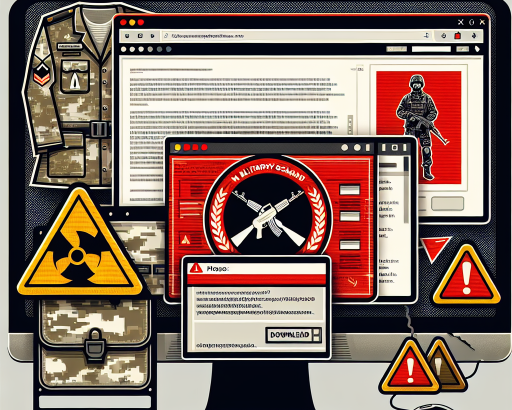
Cybersecurity experts have recently revealed the existence of a new phishing campaign called PHANTOM#SPIKE, aimed at individuals in Pakistan. This campaign involves the use of a customized backdoor by unknown threat actors, who have employed military-themed phishing documents to trigger the infection process.
Securonix, the cybersecurity firm that uncovered PHANTOM#SPIKE, highlighted the sophisticated tactics used by the perpetrators. By utilizing military-related content in phishing emails, the attackers sought to deceive unsuspecting victims and initiate the deployment of the custom backdoor.
The deployment of malware through phishing remains a prevalent tactic among threat actors. Despite the variety of methods available for spreading malicious software, phishing campaigns continue to be effective due to their ability to bypass traditional security measures.
With the evolving techniques employed by cybercriminals, it is essential for individuals and organizations to enhance their defenses against phishing attacks. Implementing robust email security measures, conducting regular security awareness training, and employing endpoint protection solutions are crucial steps in mitigating the risks associated with phishing campaigns.
Enhancing email security through the use of advanced threat detection mechanisms can help identify and block malicious emails before they reach users’ inboxes. By implementing filters and scanning attachments for potential threats, organizations can reduce the likelihood of falling victim to phishing attacks.
Educating employees about the telltale signs of phishing emails and providing guidelines on how to respond to suspicious messages is vital in strengthening an organization’s security posture. Regular training sessions can help instill a culture of cybersecurity awareness and empower employees to remain vigilant against social engineering tactics.
Deploying endpoint protection solutions that offer real-time threat detection and response capabilities can help safeguard devices against malware infections initiated through phishing campaigns. By continuously monitoring endpoints for suspicious activities, organizations can proactively detect and neutralize threats before they cause significant harm.
As cyber threats continue to evolve in complexity and sophistication, cybersecurity professionals must remain vigilant in detecting and combating malicious activities. By staying informed about emerging threats, implementing proactive security measures, and fostering a culture of cybersecurity awareness, individuals and organizations can strengthen their defenses and mitigate the risks posed by phishing campaigns like PHANTOM#SPIKE.