Meta’s Pay or Consent Model under E.U. Competition Rules Radar

Meta’s Ad-Free Subscription Plan in the E.U. Faces Setback

Meta’s introduction of an ad-free subscription option in the European Union hit a roadblock recently. The giant social media company was accused by regulators of violating the E.U.’s competition rules with its advertising model. The European Commission expressed concerns that Meta’s approach, which required users to choose between viewing ads or paying to remove them, was not in alignment with the Digital Markets Act (DMA).

Regulators vs. Meta

The European Commission made it clear that Meta’s “pay or consent” advertising strategy goes against the principles outlined in the DMA. The accusation that the company is infringing upon competition rules adds a layer of complexity to Meta’s efforts to provide an alternative revenue stream in the form of subscription services.

It’s evident that regulators are keeping a close watch on tech giants like Meta, ensuring that they comply with the rules and regulations set forth by the E.U. authorities. This ongoing scrutiny underscores the challenges faced by companies attempting to navigate the complex landscape of digital regulations while also addressing consumer preferences and demands.

Implications for Meta

The backlash from regulators poses a significant challenge for Meta as it seeks to diversify its revenue streams and offer users more choices in how they interact with its platform. The company’s ad-free subscription plan was designed to cater to users who prefer an ad-free experience in exchange for a fee, but the recent accusations highlight the potential pitfalls of such an approach in the E.U. market.

Meta will need to reassess its advertising and subscription models to ensure compliance with the DMA and other relevant regulations. This setback serves as a reminder of the ongoing struggle for big tech companies to strike a balance between profitability, user experience, and regulatory compliance in an increasingly scrutinized digital environment.

The Importance of Compliance in the Digital Age

The clash between Meta and E.U. regulators underscores the critical importance of compliance for tech companies operating in the digital landscape. As regulations evolve and authorities ramp up efforts to ensure fair competition and data protection, companies must stay vigilant and adapt their strategies accordingly.

Adapting to Regulatory Changes

Tech giants like Meta must be prepared to adapt to regulatory changes swiftly and effectively to avoid running afoul of the law. The case of Meta’s ad-free subscription plan serves as a cautionary tale for companies looking to introduce new revenue models that may conflict with existing laws and regulations.

By staying abreast of regulatory developments and proactively adjusting their business practices, companies can navigate the complex regulatory environment while also meeting consumer expectations and demands. Failure to comply with laws such as the DMA can lead to costly fines, reputational damage, and potential legal consequences for companies operating in the E.U. and beyond.

Conclusion

As Meta grapples with the regulatory challenges posed by its ad-free subscription plan in the E.U., the company faces a pivotal moment in its efforts to balance revenue diversification with compliance and user preferences. The outcome of this dispute will have far-reaching implications for how tech companies approach monetization and user experience in the evolving digital landscape. Compliance with regulations remains a crucial aspect of doing business in the digital age, and companies must continuously adapt to meet the demands of both regulators and consumers.


Uncovering Threats: Chinese Hackers Target Cisco Switches Zero-Day for Malware Distribution

China-aligned Cyber Espionage Group, Velvet Ant, Targets Cisco NX-OS Software with Zero-Day Exploit

In the realm of cyber espionage, a group known as Velvet Ant, with ties to China, has been identified leveraging a zero-day vulnerability within Cisco’s NX-OS Software. This particular software is integral to the functionality of Cisco’s switches. The vulnerability in question, assigned CVE-2024-20399 and bearing a CVSS score of 6.0, represents a concerning case of command injection. Exploiting this flaw can provide an authenticated, local attacker with the ability to execute arbitrary commands as the root user on the affected system.

Zero-Day Vulnerabilities and the Threat Landscape

Zero-day vulnerabilities are a particularly potent weapon in the arsenal of cyber attackers. These vulnerabilities reference security flaws that are unknown to the software vendor or have not yet been patched. As a result, they offer attackers a unique advantage, allowing them to exploit systems without the fear of being caught by traditional security solutions or antivirus software.

The Power of Command Injection

The specific vulnerability in Cisco NX-OS Software enables command injection, a technique commonly utilized by attackers to execute arbitrary commands on a target system. In this case, the flaw permits local attackers to gain root-level access to the operating system. This level of control grants threat actors the potential to carry out a wide array of malicious activities, from planting malware to exfiltrating sensitive data, ultimately compromising the security and integrity of the affected network.

Implications for Network Security

The exploitation of such vulnerabilities highlights the critical importance of maintaining robust network security practices. Organizations utilizing Cisco’s NX-OS Software must remain vigilant, promptly applying security patches and updates released by the vendor to mitigate the risk posed by such exploits. Additionally, implementing strong access controls and monitoring mechanisms can help detect and thwart unauthorized activities within the network environment.

The Rising Tide of Cyber Threats

In today’s digital landscape, the prevalence of cyber threats continues to escalate, with threat actors constantly seeking new avenues to infiltrate systems and compromise sensitive data. State-sponsored groups, such as Velvet Ant, operate with sophisticated tactics and significant resources at their disposal, making them formidable adversaries in the realm of cybersecurity.

Strengthening Cyber Defenses

To bolster defenses against evolving cyber threats, organizations must adopt a proactive approach to cybersecurity. This includes conducting regular security assessments, implementing defense-in-depth strategies, and fostering a culture of security awareness among employees. By staying informed about emerging threats and vulnerabilities, organizations can better prepare to defend against cyber attacks and safeguard their valuable assets from malicious actors.

Collaborative Efforts in Cybersecurity

Furthermore, cooperation and information sharing among industry stakeholders play a pivotal role in combating cyber threats effectively. By sharing threat intelligence and best practices, organizations can collectively raise the overall security posture of the industry and build a united front against cyber adversaries. This collaborative approach strengthens resilience and enhances the ability to respond swiftly to emerging cyber incidents.

In conclusion, the exploitation of zero-day vulnerabilities by groups like Velvet Ant underscores the ever-present need for vigilance and proactive security measures in today’s interconnected world. By prioritizing cybersecurity and adopting a holistic approach to risk management, organizations can better defend against cyber threats and safeguard their digital assets.

Exposed: Australian Man’s Deceptive Wi-Fi Scheme on Domestic Flights

Australian Man Charged with Running Fake Wi-Fi Access Point on Domestic Flight

Recently, an Australian man found himself in hot water for his sneaky attempt at stealing user credentials and data. The 42-year-old individual, whose identity remains undisclosed, stands accused of setting up a fraudulent Wi-Fi access point during a domestic flight. The Australian Federal Police (AFP) revealed that the suspect allegedly created counterfeit free Wi-Fi networks that imitated legitimate ones. The goal? To trap unsuspecting individuals into connecting to these fake access points, thereby allowing him to harvest their personal data without their knowledge or consent.

Luring Victims with False Promises

Picture this: you’re on a plane, eager to connect to the Wi-Fi and catch up on your emails or social media. You scroll through the available networks and spot one labeled “Free Wi-Fi.” Tempted by the promise of complimentary internet access, you click to connect without a second thought. Little do you know, you’ve just fallen into a trap set by a cybercriminal looking to exploit your trust and steal sensitive information. This scenario underscores the importance of exercising caution when connecting to public Wi-Fi networks, as not all that glitters is gold in the digital realm.

The Role of Social Engineering in Cyber Attacks

In the realm of cybersecurity, social engineering tactics play a significant role in various cyber attacks. Perpetrators often leverage psychological manipulation techniques to deceive individuals into disclosing confidential information or engaging in risky behaviors. In this case, the accused individual utilized a form of social engineering by creating a false sense of security with his fake Wi-Fi access points. By preying on people’s desire for free connectivity, he exploited their trust and lured them into a web of deception aimed at harvesting their personal data for malicious purposes.

Protecting Yourself from Wi-Fi Scams

When it comes to safeguarding your data and privacy, vigilance is key, especially in environments where cyber threats lurk around every corner. To shield yourself from falling victim to Wi-Fi scams like the one orchestrated by the Australian man, consider the following security measures:

1. Verify Network Authenticity

Before connecting to any public Wi-Fi network, take a moment to verify its authenticity. Double-check with the staff or official sources to ensure that you’re connecting to a legitimate network and not a cleverly disguised imposter waiting to pounce on unsuspecting users.

2. Use a Virtual Private Network (VPN)

Utilizing a VPN can add an extra layer of security by encrypting your internet traffic and shielding your data from prying eyes. VPNs create a secure tunnel for your online activities, making it challenging for cybercriminals to intercept or eavesdrop on your communications.

3. Disable Auto-Connect Features

To prevent your device from automatically connecting to unknown Wi-Fi networks, disable the auto-connect feature. By doing so, you maintain control over when and where your device connects to the internet, reducing the risk of inadvertently connecting to malicious networks.

4. Keep Software Up-to-Date

Regularly updating your device’s operating system and applications is crucial for patching security vulnerabilities and strengthening your defense against potential cyber threats. By staying current with software updates, you ensure that your device is equipped with the latest security enhancements to thwart malicious attacks.

Conclusion

The case of the Australian man charged with running a fake Wi-Fi access point serves as a stark reminder of the dangers posed by cybercriminals lurking in the digital shadows. By exercising caution, practicing good cyber hygiene, and implementing robust security measures, individuals can fortify their defenses against such malicious schemes. Remember, when it comes to connecting to public Wi-Fi networks, it’s better to be safe than sorry. Stay vigilant, stay informed, and stay one step ahead of cyber threats to safeguard your digital well-being.

RegreSSHion: Critical Vulnerability in OpenSSH Exposes Millions of Servers

OpenSSH Vulnerability Puts Millions at Risk!

Recently, a critical vulnerability in OpenSSH, known as “regreSSHion,” has been discovered by security researchers. This vulnerability poses a significant threat as it allows attackers to gain full access to servers utilizing OpenSSH. With millions of servers worldwide using OpenSSH for secure remote access, the potential impact of this vulnerability is substantial.

The RegreSSHion Vulnerability Explained

The regreSSHion vulnerability in OpenSSH can be exploited by attackers to bypass authentication mechanisms and gain unauthorized access to servers. This flaw allows malicious actors to take advantage of a flaw in the OpenSSH code, granting them full control over the server without requiring a valid username or password. This poses a severe risk to the confidentiality, integrity, and availability of the affected servers and the data they hold.

Impact and Risk Mitigation

Given the widespread use of OpenSSH in server environments, the regreSSHion vulnerability puts millions of servers at risk of compromise. Server administrators and IT security teams are strongly advised to take immediate action to safeguard their systems against potential exploitation.

To mitigate the risk posed by the regreSSHion vulnerability, it is crucial to apply security patches provided by the OpenSSH project promptly. Additionally, implementing robust access controls, monitoring for unauthorized access attempts, and maintaining strong password policies are essential measures to enhance the security posture of vulnerable servers.

Conclusion

In conclusion, the regreSSHion vulnerability in OpenSSH is a critical security concern that requires prompt attention and remediation efforts. By understanding the nature of the vulnerability, its potential impact, and the necessary risk mitigation steps, organizations can better protect their servers and sensitive data from exploitation by malicious actors. Stay informed, stay vigilant, and take proactive steps to secure your systems against emerging security threats like regreSSHion.

Unveiling CyberDefender’s Latest Wave of Acquisitions

CyberNewsWire: Keeping You Up to Date on IT Security

Miami, United States – 1st July 2024

The world of IT security is constantly evolving, and staying informed is key to protecting your digital assets. CyberNewsWire is your go-to source for the latest news, trends, and insights in the world of cybersecurity.

The Rise of Ransomware Attacks

Ransomware attacks have been on the rise in recent years, with cybercriminals targeting individuals, businesses, and even governments. These attacks involve the malicious encryption of victims’ data, with hackers demanding a ransom in exchange for the decryption key.

Why You Should Care

Ransomware attacks can have devastating consequences, including financial losses, reputational damage, and potential legal liabilities. It is crucial for individuals and organizations to take proactive measures to defend against these threats.

Tips to Protect Yourself

– Keep your software up to date to patch security vulnerabilities.
– Be cautious when clicking on links or downloading attachments from unknown sources.
– Backup your data regularly and store it securely to minimize the impact of an attack.

The Importance of Multi-Factor Authentication

Multi-factor authentication (MFA) is a critical security measure that adds an extra layer of protection to your accounts. By requiring users to provide multiple forms of verification, such as a password and a one-time code sent to their phone, MFA helps prevent unauthorized access to sensitive information.

Why MFA Matters

With the increasing sophistication of cyber threats, relying solely on passwords is no longer sufficient to keep your accounts secure. MFA is an effective way to enhance your security posture and reduce the risk of unauthorized access.

Implementing MFA

Many online services and platforms now offer MFA as an option for users to enable. It is recommended to turn on MFA wherever possible, especially for accounts that contain sensitive data or financial information.

The Role of Artificial Intelligence in Cybersecurity

Artificial intelligence (AI) is playing an increasingly important role in cybersecurity, helping organizations detect and respond to threats more effectively. By analyzing vast amounts of data and identifying patterns, AI-powered tools can help security teams stay ahead of cybercriminals.

Benefits of AI in Cybersecurity

– AI can quickly detect anomalies and suspicious activities that may indicate a security breach.
– AI-powered tools can automate routine tasks, freeing up security professionals to focus on more strategic initiatives.
– AI can help organizations adapt to evolving threats and improve their overall security posture.

Challenges of AI in Cybersecurity

While AI offers many benefits, it is not without its challenges. Organizations must ensure that AI systems are trained on high-quality data and regularly updated to stay effective against emerging threats. Additionally, there are ethical considerations around the use of AI in cybersecurity, such as bias in algorithms and concerns about data privacy.

Conclusion

Staying informed about the latest trends and best practices in IT security is essential in today’s digital landscape. By following trusted sources like CyberNewsWire and implementing proactive security measures such as MFA and AI-powered tools, individuals and organizations can better protect themselves against cyber threats. Remember, in the world of cybersecurity, knowledge is power.

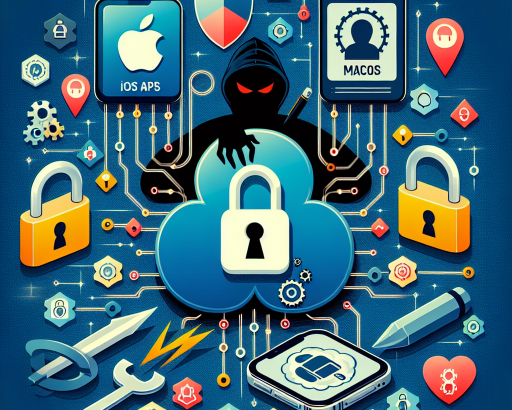
Critical Flaws in CocoaPods: How iOS and macOS Apps Are Vulnerable to Supply Chain Attacks

Trio of Security Flaws Discovered in CocoaPods Dependency Manager

A recent revelation in the world of IT security has shed light on a trio of flaws found in CocoaPods, a widely used dependency manager for Swift and Objective-C Cocoa projects. These vulnerabilities have the potential to be exploited by malicious actors, paving the way for software supply chain attacks that could wreak havoc on downstream customers.

The Vulnerabilities Unveiled

The newly discovered security loopholes in CocoaPods enable any malicious entity to stake a claim on thousands of unclaimed pods within the system. Subsequently, this ownership allows the malevolent actor to sneak in malicious code into some of the most sought-after iOS libraries and packages. This breach of security not only poses a significant threat but also presents a pressing risk to unsuspecting end-users.

Implications of the Flaws

These vulnerabilities are particularly troubling as they have the potential to disrupt the entire iOS development ecosystem. By infiltrating popular libraries and packages, attackers can compromise the integrity and security of countless apps and services built upon CocoaPods. The repercussions of such a breach can be far-reaching and severe, emphasizing the critical need for immediate action and heightened vigilance within the community.

Software Supply Chain Attacks on the Rise

The concept of software supply chain attacks has gained prominence in recent years, with cybercriminals leveraging vulnerabilities in popular development tools and platforms to distribute malware and carry out malicious activities. CocoaPods’ susceptibility to such attacks underscores the importance of fortifying cybersecurity measures across all facets of the software development lifecycle.

Recommendations for Secure Development Practices

In light of these revelations, it is imperative for developers and organizations utilizing CocoaPods to implement robust security measures to mitigate the risk of exploitation. Here are some key recommendations for ensuring secure development practices:

1. Regularly Update Dependencies

Stay vigilant about updating dependencies and libraries to their latest secure versions. This practice helps in minimizing the likelihood of falling victim to known vulnerabilities and exploits.

2. Conduct Security Audits

Regularly audit your codebase and third-party dependencies for any signs of tampering or malicious code injections. Implementing automated security checks can help detect anomalies early on.

3. Monitor for Anomalies

Set up monitoring systems to detect any unauthorized changes or activities within your code repositories. Immediate alerts for suspicious behavior can help in containing potential threats before they escalate.

Conclusion

The discovery of security flaws in CocoaPods serves as a sobering reminder of the persistent threats lurking in the realm of IT security. By remaining vigilant, adopting secure development practices, and fostering a proactive cybersecurity culture, developers can fortify their defenses against potential exploits and safeguard their projects from malicious actors. As the digital landscape continues to evolve, staying abreast of emerging threats and taking proactive measures becomes paramount in ensuring a secure and resilient software ecosystem.

Beware of Evil Twin Wi-Fi Scam Targeting Travelers: Australian Man Arrested

Australian Man Charged for Setting Up Fake Wi-Fi Networks to Steal Data

In a recent IT security incident, an Australian man is facing charges for his involvement in setting up fake Wi-Fi networks, also known as “evil twins.” These malicious networks were designed to trick unsuspecting individuals into connecting to them, allowing the perpetrator to steal their sensitive data.

The Tactics Used

The accused individual strategically placed these fake Wi-Fi networks in public spaces, such as cafes, airports, and shopping centers, where people frequently connect to Wi-Fi without much thought. By giving these networks names that closely resembled legitimate Wi-Fi connections, the man successfully lured victims into connecting to his malicious network.

The Dangers of Connecting to Fake Wi-Fi Networks

When individuals unknowingly connect to these fake networks, they expose themselves to significant risks. Cybercriminals operating such networks can intercept sensitive information transmitted over the connection, including usernames, passwords, financial information, and other personal data. This stolen data can then be used for various malicious purposes, such as identity theft, financial fraud, or unauthorized access to accounts.

Legal Consequences

Setting up fake Wi-Fi networks with the intention of stealing data is a serious offense that can result in legal consequences. In this case, the Australian man is now facing charges related to cybercrime and unauthorized access to computer networks. Such actions not only violate privacy laws but also undermine trust in public Wi-Fi networks and pose a threat to individuals’ online security.

Protecting Yourself from Wi-Fi Security Risks

To protect yourself from falling victim to similar Wi-Fi security risks, it’s essential to follow some best practices when connecting to public networks:

Avoid Connecting to Unsecured Networks

When connecting to Wi-Fi networks in public places, prioritize networks that require a password or other authentication methods. Avoid connecting to open, unsecured networks that are more susceptible to malicious activities.

Use a Virtual Private Network (VPN)

Utilizing a VPN can encrypt your internet connection, making it more secure and protecting your data from potential interception by cybercriminals. VPNs add an extra layer of security, especially when using public Wi-Fi networks.

Enable Two-Factor Authentication (2FA)

Enabling 2FA on your accounts adds an additional layer of security by requiring a second form of verification to access your accounts. Even if your login credentials are compromised, having 2FA enabled can prevent unauthorized access to your accounts.

Stay Vigilant and Practice Cybersecurity Awareness

Remain cautious when connecting to unknown networks and be mindful of the information you transmit over these connections. Regularly update your devices and use security software to protect against potential cyber threats.

In conclusion, the case of the Australian man setting up fake Wi-Fi networks serves as a reminder of the risks associated with connecting to unsecured networks. By following best practices and staying informed about cybersecurity threats, individuals can better protect themselves from falling victim to such malicious activities.

Unmasking the Mastermind: $10M Bounty for Russian Hacker Behind Ukraine’s Devastating Cyberattacks

The Hunt for Cyber Criminals: Russian Hacker Indicted for Cyberattacks on Ukraine

In a recent development in the world of cybersecurity, a Russian hacker has been indicted for allegedly carrying out debilitating cyberattacks on Ukraine just prior to the 2022 invasion. This nefarious individual is believed to have orchestrated these attacks with the intention of disrupting critical systems and causing chaos in the country.

The Accusations and Implications

The accused hacker is facing serious allegations of not only launching cyberattacks but also of being involved in various nefarious activities aimed at destabilizing Ukraine. These attacks are reported to have targeted vital infrastructure, including government systems and energy facilities, leading to widespread disruption and panic among the citizens.

The implications of such cyberattacks are far-reaching and extend beyond mere inconvenience. They have the potential to cause significant harm to a country’s economy, infrastructure, and national security. It is imperative for governments and cybersecurity experts to remain vigilant and take proactive measures to prevent and respond to such threats effectively.

The Global Response

The international community has been closely monitoring the situation and expressing concern over the increasing sophistication and frequency of cyberattacks carried out by state-sponsored actors. Such incidents highlight the pressing need for improved cybersecurity practices and robust defense mechanisms to safeguard against potential threats.

Governments around the world are urged to collaborate and share intelligence to enhance their collective cybersecurity posture. This collaboration is essential to address the evolving nature of cyber threats and to hold malicious actors accountable for their actions.

Enhancing Cybersecurity Measures

In light of these recent developments, organizations and individuals are reminded of the importance of implementing robust cybersecurity measures to protect themselves from cyber threats. Cyber hygiene practices, such as regularly updating software, using strong passwords, and employing multi-factor authentication, can go a long way in mitigating the risks associated with cyberattacks.

Investing in Cybersecurity

Furthermore, governments and businesses are encouraged to invest in cybersecurity infrastructure and resources to bolster their defenses against potential cyber threats. By prioritizing cybersecurity and staying one step ahead of malicious actors, organizations can safeguard their data, systems, and operations from potential harm.

It is essential for organizations to conduct regular cybersecurity assessments, implement threat detection mechanisms, and establish incident response protocols to effectively mitigate the impact of cyber incidents. Proactive measures can help organizations minimize the risk of falling victim to cyberattacks and ensure business continuity in the face of potential threats.

Conclusion

As cybersecurity continues to be a growing concern in today’s digital age, it is crucial for individuals, organizations, and governments to prioritize cybersecurity and take proactive steps to enhance their defenses against cyber threats. Collaborative efforts, investments in cybersecurity infrastructure, and adherence to best practices can collectively contribute to a more secure and resilient cyberspace for all.

Indian Software Firm products breached by hackers for spreading malicious software

Indian Software Company Conceptworld’s Installers Compromised by Information-Stealing Malware

Indian software company Conceptworld recently faced a cybersecurity incident where the installers for three of its software products were affected by trojanized malware. The compromised software products included Notezilla, RecentX, and Copywhiz. This incident came to the attention of cybersecurity firm Rapid7 on June 18, 2024, as they unearthed the supply chain compromise.

Rapid7 Discovery and Conceptworld’s Quick Response

Rapid7’s discovery of the supply chain compromise prompted Conceptworld to take swift action. The company was able to address the issue promptly and effectively, ensuring that the malware-laden installers were no longer available for download to prevent further distribution of the information-stealing malware. Conceptworld successfully rectified the situation by June 24, 2024, safeguarding its users from potential cybersecurity threats.

With cybersecurity threats becoming increasingly sophisticated, supply chain compromises pose a significant risk to organizations and their users. These incidents highlight the importance of proactive cyber hygiene measures, including regular security assessments and prompt response to security incidents, to mitigate the impact of such threats.

Importance of Vigilance in Software Supply Chain Security

The Conceptworld incident serves as a reminder of the critical role that software developers play in ensuring the security and integrity of their products. By maintaining strict security protocols throughout the software development lifecycle and implementing robust security measures, developers can safeguard their software from being tampered with or compromised by malicious actors.

Moreover, users are advised to exercise caution when downloading and installing software from third-party sources. Verifying the authenticity of software installers and keeping software up to date with the latest security patches are essential practices to minimize the risk of falling victim to malware attacks.

Cybersecurity Firm Rapid7 Discovers Malicious Activity in Conceptworld’s Software Installers

Cybersecurity firm Rapid7 uncovered malicious activity in the installers for Notezilla, RecentX, and Copywhiz, developed by Indian software company Conceptworld. The trojanized installers were found to contain information-stealing malware, posing a significant security threat to users who downloaded and installed the compromised software.

The supply chain compromise discovered by Rapid7 underscores the need for continuous monitoring and threat intelligence gathering to detect and respond to cybersecurity incidents promptly. Rapid7’s proactive approach to cybersecurity research and analysis enabled them to identify the malicious activity in Conceptworld’s software installers, mitigating the potential impact on users and raising awareness about supply chain security risks.

Mitigating Supply Chain Risks Through Collaborative Efforts

The collaboration between cybersecurity firms like Rapid7 and software developers like Conceptworld plays a crucial role in mitigating supply chain risks and enhancing overall cybersecurity resilience. By sharing threat intelligence, best practices, and insights into emerging cyber threats, industry stakeholders can collectively strengthen their defenses against malicious actors seeking to exploit vulnerabilities in the software supply chain.

Through coordinated efforts and information sharing, cybersecurity professionals can better protect users and organizations from evolving cyber threats, ensuring the integrity and security of software products and maintaining trust in the digital ecosystem.

CapraRAT Spyware Disguised as Popular Apps Threatens Android Users

Unleashing Malicious Android Apps – Transparent Tribe Strikes Again

The notorious threat actor Transparent Tribe has once again made headlines for their malicious activities targeting unsuspecting individuals. This time, their weapon of choice is malware-laced Android apps designed to infiltrate the devices of users of interest. The group’s latest tactic involves disguising spyware within seemingly harmless video browsing applications, expanding their reach to target mobile gamers, weapons enthusiasts, and even TikTok fans.

Continuing the Trend of Espionage

The group’s modus operandi revolves around social engineering campaigns that lure users into downloading seemingly legitimate apps, only to exploit their devices for malicious purposes. By embedding spyware into curated apps, Transparent Tribe gains access to sensitive information and surveillance capabilities, putting individuals at risk of privacy breaches and cyber espionage.

New Targets, Same Tactics

In their latest campaign, Transparent Tribe has set their sights on a diverse range of users, including mobile gamers, weapons enthusiasts, and TikTok fans. By catering to the interests of these target groups, the threat actor increases the likelihood of users downloading and installing the malicious apps, unwittingly granting access to their devices and personal information.

Insight from Security Researcher Alex

Alex, a security researcher at SentinelOne, sheds light on Transparent Tribe’s latest activities and the potential implications for targeted individuals. With a keen understanding of the group’s tactics and objectives, Alex provides valuable insights into the evolving threat landscape and the importance of remaining vigilant against such malicious campaigns.

Protecting Against Malicious Apps

As Transparent Tribe continues to evolve their tactics and target new user groups, it is crucial for individuals to take proactive measures to protect their devices and personal information. By exercising caution when downloading apps, especially those catering to niche interests or offering suspicious permissions, users can mitigate the risk of falling victim to malware-laced apps.

Staying Vigilant in the Face of Cyber Threats

The ever-changing nature of cyber threats underscores the importance of remaining vigilant and staying informed about the latest tactics employed by threat actors like Transparent Tribe. By staying informed about potential risks and adopting best practices for cybersecurity, individuals can safeguard their devices and personal data from malicious attacks.

In conclusion, the resurgence of Transparent Tribe and their use of malware-laced Android apps highlights the persistent threat posed by cybercriminals. By understanding their tactics and taking proactive steps to protect against malicious apps, individuals can mitigate the risk of falling victim to espionage campaigns and safeguard their digital lives. Stay informed, stay vigilant, and stay safe in the ever-evolving landscape of cybersecurity.