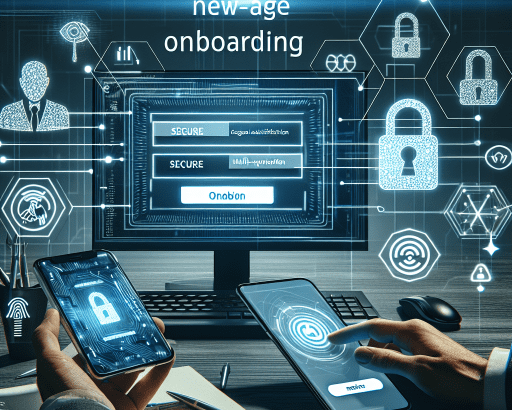
Securing New Hires: A Guide to Password-Less Employee Onboarding

The Risks of Sharing Temporary First-Day Passwords

The initial onboarding stage is a crucial step for both employees and employers. However, this process often involves the risky practice of sharing temporary first-day passwords. This antiquated method can expose organizations to serious security risks, putting sensitive information at stake.

The Traditional Dilemma for IT Departments

Traditionally, IT departments have been in a dilemma regarding the sharing of first-day passwords. They are often cornered into either sharing passwords in plain text via email or SMS, or arranging in-person meetings to verbally communicate these credentials. Both methods come with their own set of vulnerabilities that cybercriminals can exploit.

Sharing passwords through plain text emails or SMS leaves them exposed to interception by malicious actors. Such communication channels are not secure and can easily be compromised, leading to unauthorized access to confidential company data. On the other hand, organizing in-person meetings for password sharing not only consumes valuable time but also poses logistical challenges, especially in today’s remote work environment.

The Need for a Secure Solution

To address these challenges and enhance security during the onboarding process, organizations must adopt more secure methods for sharing temporary passwords with new employees. Using secure password management tools or platforms that offer encrypted communication channels can significantly mitigate the risks associated with password sharing.

Implementing multi-factor authentication (MFA) can add an extra layer of security to the onboarding process. By combining something the new employee knows (temporary password) with something they have (like a mobile authenticator app), organizations can elevate their security posture and reduce the likelihood of unauthorized access to sensitive systems and data.

Secure Onboarding Practices for a Modern Workplace

In today’s increasingly digital and remote work landscape, organizations need to prioritize secure onboarding practices to safeguard their data and networks. By embracing modern solutions and best practices, businesses can streamline the onboarding process while maintaining a high level of security.

Utilizing Single Sign-On (SSO) Technologies

Implementing Single Sign-On (SSO) technologies can simplify the onboarding process and enhance security. With SSO, new employees can securely access multiple applications and platforms using a single set of credentials, reducing the need for temporary passwords altogether. This not only improves user experience but also minimizes the risk of password-related security incidents.

Automating User Provisioning and Deprovisioning

Automating user provisioning and deprovisioning processes can further enhance security during onboarding. By integrating identity and access management (IAM) solutions, organizations can streamline the allocation of access rights and privileges for new employees while ensuring that access is revoked promptly when an employee leaves the organization. This helps prevent unauthorized access and reduces the risk of data breaches.

Training Employees on Secure Practices

Educating employees on security best practices is essential for maintaining a strong security posture. Providing training on topics such as password hygiene, phishing awareness, and data protection can empower employees to be proactive in safeguarding company information. By fostering a security-conscious culture, organizations can significantly reduce the likelihood of security incidents caused by human error.

Conclusion

In conclusion, securing the onboarding process is vital for protecting organizations from potential cyber threats. By leveraging modern security technologies, implementing best practices, and fostering a culture of security awareness, businesses can mitigate the risks associated with sharing temporary passwords and ensure a smooth and secure onboarding experience for new employees.


Meta Given Deadline to Address E.U. Concerns Over ‘Pay or Consent’ Model

European Commission Gives Meta Deadline to Address Concerns Over Advertising Model

Meta, the parent company of popular social media platforms Facebook and Instagram, has been put on notice by the European Commission to address concerns regarding its “pay or consent” advertising model. The European Commission has given Meta a deadline of September 1, 2024, to respond to these concerns or face potential enforcement measures, including sanctions.

The issue at hand revolves around the way Meta’s advertising model functions on Facebook and Instagram, where users are presented with the choice to either pay for an ad-free experience or consent to personalized advertisements. This model has raised red flags in terms of user privacy and consumer protections, prompting the European Commission to take action.

European Commission’s Consumer Protection Cooperation Network Raises Red Flags

The Consumer Protection Cooperation (CPC) Network, operating under the purview of the European Commission, has highlighted potential violations stemming from Meta’s advertising approach. By offering users a binary choice between paying to opt out of targeted ads or consenting to personalized advertising, Meta may be infringing upon consumer rights and data protection regulations.

This contentious issue has spurred the CPC Network to engage with Meta directly and notify the company of these concerns. The European Commission’s stance underscores the importance of upholding consumer rights and ensuring compliance with relevant regulations in the digital advertising landscape.

The Implications of Non-Compliance for Meta

Failure to address the European Commission’s concerns and rectify any potential violations by the stipulated deadline of September 1, 2024, could have significant repercussions for Meta. The company may face enforcement measures, including sanctions, if it does not take corrective action in response to the regulatory directives issued.

As a multinational tech corporation with a substantial user base across the European Union, Meta must navigate the complexities of regulatory scrutiny and safeguard user privacy rights. The looming deadline underscores the urgency for Meta to reassess its advertising practices and align them with the regulatory framework set forth by the European Commission.

Balancing User Experience with Compliance

The dilemma faced by Meta encapsulates the broader challenge of balancing user experience with compliance in the realm of digital advertising. While personalized ads can enhance targeting efficiency and revenue generation, they must be implemented in a manner that respects user consent and privacy preferences.

In an era marked by heightened awareness of data privacy and consumer rights, tech companies must tread carefully to strike a delicate balance between monetization strategies and regulatory compliance. Meta’s predicament serves as a cautionary tale for industry players navigating the evolving landscape of digital advertising and data protection regulations.

Conclusion

In conclusion, Meta’s deadline to address concerns raised by the European Commission regarding its advertising model signals a pivotal moment in the intersection of tech innovation, user privacy, and regulatory oversight. The outcome of Meta’s response to the European Commission’s directives will not only impact the company’s future operations but also set a precedent for how tech giants navigate regulatory challenges in the digital age. As the deadline approaches, all eyes are on Meta to see how it addresses the compliance issues at hand and charts a path forward that harmonizes user experience with regulatory expectations.

Magento Sites Targeted by Devious Credit Card Skimmer through Swap Files

Unveiling the Deceptive Use of Swap Files by Threat Actors

In a recent discovery by Sucuri, threat actors have taken a devious approach to conceal a persistent credit card skimmer on compromised websites. The malicious actors leveraged swap files on a Magento e-commerce site’s checkout page to deploy the skimmer and stealthily harvest payment information. This cunning technique not only enabled the skimmer to evade detection but also proved resilient against multiple cleanup attempts.

The Stealthy Skimmer Operation

The credit card skimmer implanted by the threat actors is specifically crafted to surreptitiously collect the data entered into the credit card form during the checkout process. By blending into the swap files, the skimmer seamlessly operates in the background, remaining undetected by both users and site administrators. This covert operation poses a significant risk to the security and privacy of unsuspecting customers making online payments.

Persistent Threat and Cleanup Challenges

Sucuri’s investigation revealed that the use of swap files as a hiding place for the credit card skimmer added a layer of persistence to the threat. Traditional cleanup measures proved ineffective in completely eradicating the malware due to its strategic placement within the swap files. This persistence poses a significant challenge for website owners and security teams attempting to mitigate such threats effectively.

Addressing the Emerging Threat Landscape with Vigilance

The evolving tactics employed by threat actors underscore the importance of heightened vigilance and proactive security measures in safeguarding online assets. As cybercriminals continue to adapt and innovate their techniques, organizations must stay ahead by implementing robust security protocols, conducting regular security audits, and staying informed about emerging threats in the digital landscape.

Enhancing Detection and Response Capabilities

In light of this deceptive use of swap files, organizations should enhance their detection and response capabilities to identify and mitigate such threats effectively. Utilizing advanced security solutions, conducting thorough security assessments, and deploying intrusion detection systems can aid in detecting and addressing malicious activities before they escalate into a full-blown security incident.

Educating Stakeholders and End Users

Moreover, educating stakeholders, including website administrators, developers, and end users, about the evolving threat landscape and common attack vectors is crucial in fostering a security-aware culture. By raising awareness and providing training on best practices for maintaining secure web environments, organizations can empower their stakeholders to recognize and respond to potential threats effectively.

Conclusion

The use of swap files by threat actors to conceal credit card skimmers highlights the increasing sophistication of cyber threats targeting e-commerce websites. By staying informed, adopting proactive security measures, and fostering a culture of security awareness, organizations can bolster their defenses against such deceptive tactics and safeguard their digital assets and customer data effectively.

Kako konfigurirati SSH z YubiKey varnostnimi ključi na Linuxu

Konfiguracija SSH z YubiKey varnostnimi ključi je odličen način za izboljšanje varnosti vaših povezav. Ta vodič vas bo popeljal skozi korake za nastavitev varne avtentikacije SSH z uporabo YubiKey, ki ponuja zaščito s pomočjo strojne opreme.

Predpogoji

  1. Različica OpenSSH: Prepričajte se, da imate nameščeno različico OpenSSH 8.2 ali višjo. Različico lahko preverite z naslednjo ukazno vrstico:
    bash
    ssh -V
    Firmware YubiKey: Preverite, ali vaš YubiKey deluje s firmware različico 5.2.3 ali višjo. To lahko preverite z naslednjim ukazom:
    bash
    lsusb -v 2>/dev/null | grep -A2 Yubico | grep "bcdDevice"

    Potrebne knjižnice: Namestite potrebne knjižnice, zlasti libfido2, ki je ključna za podporo FIDO2:

    bash
    sudo apt-get install libfido2-dev

Generiranje SSH ključev

Korak 1: Ustvarite nov par SSH ključev

Lahko ustvarite par ključev ed25519-sk ali ecdsa-sk. Priporočamo uporabo tipa ed25519-sk, če vaš YubiKey to podpira.Za generiranje ključa vstavite YubiKey in zaženite:

bash
ssh-keygen -t ed25519-sk

ali

bash
ssh-keygen -t ecdsa-sk

Korak 2: Uporaba rezidentnih ključev (neobvezno)

Če vaš YubiKey podpira rezidentne ključe, lahko ustvarite ključ, ki je shranjen neposredno na YubiKey. To lahko storite z naslednjim ukazom:

bash
ssh-keygen -t ed25519-sk -O resident

Korak 3: Nastavite PIN (priporočljivo)

Nastavitev PIN-a za vaš YubiKey doda dodatno plast varnosti. To lahko nastavite z uporabo YubiKey Managerja.

Kopiranje javnega ključa na oddaljene strežnike

Ko je vaš par ključev ustvarjen, morate javni ključ kopirati na oddaljeni strežnik, kjer želite avtenticirati. Uporabite naslednji ukaz:

bash
ssh-copy-id -i ~/.ssh/id_ed25519_sk.pub uporabnik@oddaljeni_strežnik

Preizkušanje vaše SSH povezave

Za preizkus povezave SSH z novim ključem zaženite:

bash
ssh -i ~/.ssh/id_ed25519_sk -o 'IdentitiesOnly yes' uporabnik@oddaljeni_strežnik

Če ste nastavili PIN, boste pozvani, da ga vnesete.

Dodatna razmišljanja

  • Več YubiKey-jev: Priporočljivo je, da konfigurirate dva YubiKey-a za primer, da enega izgubite ali poškodujete. Ustvarite pare ključev za oba in ju dodajte na svoje dovoljene ključe na strežnikih.
  • Varnostne prakse: Izogibajte se shranjevanju zasebnega ključa na YubiKey. Namesto tega ga hranite na lokalnem računalniku in uporabite YubiKey za avtentikacijo.
  • Varnostna kopija: Vedno poskrbite za varnostno kopijo svojih javnih ključev in konfiguracij, da se izognete situacijam, ko se ne morete prijaviti.

Z upoštevanjem teh korakov lahko učinkovito konfigurirate SSH z YubiKey varnostnimi ključi, kar vam omogoča robustno zaščito vaših SSH povezav.Navodila za konfiguracijo SSH z YubiKey varnostnimi ključi so primerna za večino priljubljenih distribucij Linuxa, vključno z:

  • Ubuntu: Znana po svoji uporabniku prijaznosti in široki podpori za strojno opremo.
  • Debian: Stabilna in vsestranska distribucija, ki je osnova za mnoge druge distribucije, vključno z Ubuntu.
  • Fedora: Osredotočena na najnovejše tehnologije in ponuja redne posodobitve.
  • Linux Mint: Uporabniku prijazna distribucija, ki temelji na Ubuntuju in je primerna za začetnike.
  • Arch Linux: Prilagodljiva distribucija, ki je primerna za napredne uporabnike, ki želijo imeti popoln nadzor nad svojim sistemom.
  • openSUSE: Uporabniku prijazna distribucija, ki ponuja široko paleto orodij in funkcij.

Navodila so lahko uporabna tudi za druge distribucije, ki podpirajo OpenSSH in FIDO2, vendar se lahko specifični koraki nekoliko razlikujejo glede na distribucijo in njen sistem paketov.

Google Cancels Third-Party Cookie Phase-Out Plan – Latest Update

Google’s U-turn on Phasing Out Third-Party Tracking Cookies

After more than four years of debate and development, Google recently did a complete 180 on its decision to phase out third-party tracking cookies in its Chrome web browser. Initially introduced as part of the Privacy Sandbox initiative, the proposal aimed to address privacy concerns and improve user security. However, the tech giant has now opted for a different approach.

The New Approach

Instead of discontinuing third-party cookies, Google plans to introduce a new feature in Chrome that empowers users to make informed choices about their web browsing experience. This move suggests a shift towards enhancing user control and transparency rather than entirely eliminating tracking technologies.

Implications and Controversies

Google’s decision has sparked mixed reactions from privacy advocates, tech experts, and industry players. While some applaud the company’s efforts to prioritize user privacy, others remain skeptical about the effectiveness of the proposed alternative. The debate continues as stakeholders weigh the pros and cons of Google’s new strategy.

The Significance of Third-Party Cookies

Third-party tracking cookies have long been a topic of contention within the digital sphere. These cookies allow advertisers and websites to track users’ online behavior, enabling targeted advertising and personalized content delivery. While beneficial for businesses seeking to optimize marketing strategies, third-party cookies have raised concerns about user privacy and data security.

Privacy Concerns and Data Protection

The use of third-party cookies has often been criticized for compromising user privacy. The ability to track individuals across various websites and platforms raises questions about data collection, consent, and transparency. As data breaches and privacy violations continue to make headlines, the need for robust data protection measures becomes increasingly apparent.

Regulatory Landscape

In response to growing privacy concerns, legislative bodies worldwide have implemented regulations to safeguard user data. Initiatives such as the General Data Protection Regulation (GDPR) in Europe and the California Consumer Privacy Act (CCPA) in the United States aim to hold organizations accountable for how they handle personal information. Compliance with these regulations is crucial to building trust with consumers and avoiding hefty fines.

The Future of Online Privacy

As technology evolves and consumer expectations shift, the landscape of online privacy continues to evolve. Companies like Google play a pivotal role in shaping the digital ecosystem and setting industry standards. By reevaluating their approach to tracking technologies and privacy practices, Google and other tech giants can influence how privacy is protected and respected on the internet.

User Empowerment and Transparency

Empowering users to control their digital footprint and make informed decisions about data tracking is essential in promoting online privacy. Transparency about data collection practices, robust privacy settings, and clear opt-in mechanisms can help users navigate the online landscape with confidence and trust.

Evolving Security Measures

In addition to user empowerment, advancing security measures such as encryption, secure protocols, and proactive threat detection is crucial in safeguarding online data. By staying ahead of cyber threats and adopting best practices in data security, organizations can mitigate risks and protect user information effectively.

In conclusion, Google’s decision to alter its approach to third-party tracking cookies reflects a broader shift towards user empowerment and privacy protection in the digital age. As discussions around online privacy and data security continue to unfold, collaboration among stakeholders will be key to establishing a safer and more transparent online environment.

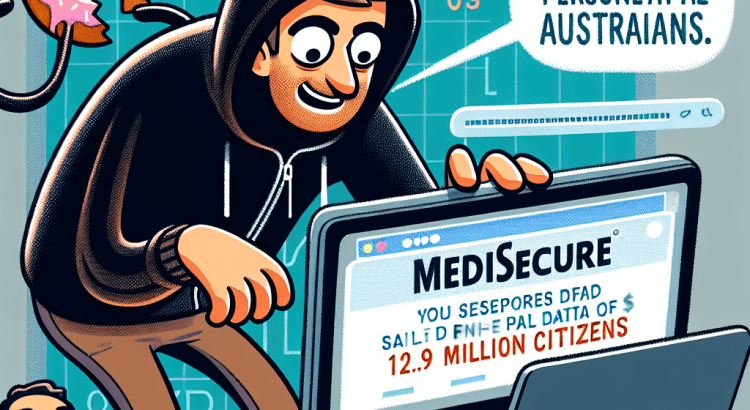
MediSecure Hekerji - Napadalec ukradel osebne podatke 12,9 milijona Avstralskih državljanov

MediSecure Hekerji – Napadalec ukradel osebne podatke 12,9 milijona Avstralskih državljanov

Šokantni napad na sistem MediSecure: Osebni in zdravstveni podatki 12,9 milijona Avstralcev ogroženi

V zadnjih dneh je prišlo do šokantnega napada na sistem za izdajo receptov MediSecure, ki je vplival na osebne in zdravstvene podatke približno 12,9 milijona Avstralcev. Ta napad, povezovan z mednarodnim sistemom Mastercard, je prinesel številne posledice za uporabnike in vzbudil resno skrb glede kibernetske varnosti v zdravstvu.

Odkritje napada

Napad je bil odkrit 13. aprila 2024, ko so varnostni strokovnjaki opazili, da je bila ena od baz podatkov šifrirana s sumljivim ransomwarejem. Kmalu zatem so ugotovili, da so napadalci pridobili dostop do velike količine občutljivih informacij. Uporabnikom so nato poslali obvestila, da so njihovi osebni in zdravstveni podatki morda izpostavljeni.

Ranjivosti, ki so se zgodile

Osebni podatki

Ime: Dostop do imen vseh prizadetih uporabnikov.
Naziv: Naslovi uporabnikov, kot so doktor, gospa, gospod, itd.
Datum rojstva: Kritični podatki, ki jih je mogoče uporabiti za preverjanje identitete.
Spol: Informacije o spolu uporabnikov.
E-poštni naslov: Izpostavljenost e-poštnih naslovov omogoča phishing napade.
Naslov: Tveganje za fizično varnost uporabnikov.
Telefonski številki: Možnost nepoštenih klicev in prevar.
Osebni zdravstveni identifikator (IHI): Ključen za zdravstvene storitve.
Številke kartic Medicare: Ciljno za zdravstvene prevare.
Pensioner Concession: Podatki upokojencev.
Commonwealth Seniors: Informacije starejših državljanov.
Department of Veterans’ Affairs (DVA): Podatki o veteranih.
Podatki o zdravilu: Podrobnosti o predpisanih zdravilih.

Zdravstveni podatki

Podatki o zdravilih: Podatki o predpisanih zdravilih za uporabnike.
Razlog za zdravilo: Informacija o zdravstvenem stanju, ki zahteva določeno zdravilo.
Navodila za uporabo zdravil: Specifična navodila za uporabo predpisanih zdravil.

Posledice za uporabnike

Napad lahko prinese številne posledice za uporabnike. Tukaj je nekaj primerov:

1. Identitetska kraja: Dostop do osebnih podatkov lahko povzroči krajo identitete, kjer zlonamerni uporabniki uporabljajo ukradene informacije za osebno korist.
2. Zloraba osebnih podatkov: Osebni podatki, kot so naslovi, telefonske številke in e-poštni naslovi, se lahko uporabijo za krajo sredstev ali nepoštene nakupe.
3. Nepravilna uporaba zdravil: Nepravilni dostop do podatkov o zdravilih lahko povzroči napačno ravnanje z zdravili, kar je lahko nevarno za zdravje.

Kako preprečiti ali rešiti podoben problem

Upravljanje varnosti

Upravljanje varnosti vključuje več ukrepov za zaščito sistemov in uporabnikov pred podobnimi napadi:

– Sistemski nadzori: Redno izvajanje nadzorov in testiranje sistemov za odkrivanje šibkih točk je ključno. To vključuje penetracijsko testiranje, revizije varnosti in iskanje ranljivosti.

– Spremljanje varnosti: Neprekinjeno spremljanje varnosti sistemov omogoča hitro zaznavanje in odzivanje na grožnje. To vključuje spremljanje logov, odkrivanje neobičajnih aktivnosti in uporabo naprednih analitičnih orodij.

– Izobraževanje: Pomembno je izobraževati uporabnike in osebje o pomenu varnosti. To vključuje, kako prepoznati phishing napade, ohranjati varnostne prakse in redno posodabljati programsko opremo.

Kibernetska varnost

Kibernetska varnost je bistvenega pomena za zaščito sistemov pred napadi. Tukaj je nekaj korakov za izboljšanje varnosti:

– Spremljanje logov: Spremljanje logov pomaga pri zgodnjem odkrivanju sumljivih aktivnosti. Redno pregledujte log datoteke in vzpostavitev avtomatskih opozoril za nenavadne vpise.

– Šifriranje podatkov: Uporaba naprednih šifriralnih tehnik za zaščito podatkov tako v mirujočem stanju kot pri prenosu. Šifriranje zagotavlja, da so podatki neuporabni za tiste, ki nimajo ustreznih dešifrirnih ključev.

– Varnostna kopija: Redno izdelovanje varnostnih kopij podatkov. V primeru ransomware napada lahko varnostne kopije omogočijo hitro obnovitev podatkov brez plačila odkupnine.

– Izobraževanje osebja: Izobraževanje o varnosti je ključno za zmanjšanje tveganja človeških napak. Redna usposabljanja in delavnice o varnostnih praksah pomagajo izboljšati pripravljenost na kibernetske napade.

Kooperacija

Kooperacija med organizacijami in uporabniki je ključnega pomena za boljšo zaščito pred kibernetskimi napadi. Tukaj so nekateri načini sodelovanja:

– Sodelovanje med organizacijami: Skupno sodelovanje za izmenjavo informacij o grožnjah, ranljivostih in najboljši varnostni praksi. To lahko vključuje sodelovanje z vladnimi agencijami, tehnološkimi podjetji in drugimi zdravstvenimi ustanovami.

– Obveščanje uporabnikov: Uporabnike redno obveščajte o novih grožnjah in varnostnih ukrepih. Pravočasne informacije lahko pomagajo uporabnikom sprejeti ustrezne ukrepe za zaščito svojih podatkov.

– Izobraževanje oseb: Poleg izobraževanja osebja znotraj organizacije je pomembno tudi obveščanje široke javnosti o varnostnih vprašanjih in kako se zaščititi pred njimi. To lahko vključuje organizacijo javnih delavnic, objavo člankov in uporabo socialnih omrežij za širjenje informacij.

Zakonodaja

Zakonodaja igra pomembno vlogo pri zagotavljanju varnosti osebnih in zdravstvenih informacij. Tukaj so nekateri ključni koraki:

– Strog nadzor: Uveljavitev strogih zakonodajnih okvirjev za zaščito osebnih podatkov in zdravstvenih informacij. Organizacije morajo biti številno sankcionirane za nespoštovanje določenih standardov varnosti.

– Redni pregledi: Redni pregledi skladnosti z zakonodajo za zagotovitev, da podjetja in organizacije upoštevajo najnovejše varnostne prakse in predpise.

– Spodbude: Uvedba spodbud za organizacije, ki vlagajo v napredne varnostne tehnologije in programe izobraževanja. To lahko vključuje davčne olajšave ali subvencije za izboljšanje kibernetske varnosti.

– Izmenjava informacij: Spodbujanje izmenjave informacij med vladnimi agencijami in zasebnim sektorjem za boljše razumevanje in obravnavo groženj.

Izobraževanje

Izobraževanje osebja in uporabnikov je ključnega pomena za izboljšanje pripravljenosti za obrambo pred kibernetskimi napadi. Tukaj so nekateri ključni koraki:

– Redna usposabljanja: Organizacija rednih usposabljanj in delavnic za osebje o najnovejših grožnjah in varnostnih praksah.

– Publikacije in smernice: Izdelava publikacij in smernic za uporabnike o tem, kako se zaščititi pred kibernetskimi napadi. To lahko vključuje smernice za varno uporabo e-pošte, kako prepoznati phishing napade, in kako ravnati v primeru kršitev varnosti.

– Povečan nadzor: Vzpostavitev sistemov za povečano spremljanje varnosti in hitro odzivanje na potencial

Unveiling a Chinese Cybercrime Network: Insights on Gambling and Human Trafficking

The Intricate Web of TDSs, DNS, and Cybercrime

Organized crime syndicates are constantly evolving their tactics and technology to stay ahead in the cybercrime game. Recently, a Chinese crime syndicate has been making waves with its advanced technology suite, linked to activities such as money laundering and human trafficking across Southeast Asia.

One of the key components in their operations is the use of Traffic Direction Systems (TDSs) and Domain Name Systems (DNS) to create a complex web of redirection and obfuscation. By leveraging these systems, the syndicate can control the flow of traffic, hide their tracks, and ultimately enhance the final landing experience for the user.

The Role of Vigorish Viper in Cybercrime Operations

At the center of this technological web is Vigorish Viper, a sophisticated tool that orchestrates the entire cybercrime supply chain spectrum. This tool enables the syndicate to automate and streamline their operations, from initial reconnaissance to the final payload delivery.

Infoblox, a leading cybersecurity company, has been closely monitoring the activities of this organized crime group. Using advanced threat intelligence and tracking capabilities, Infoblox aims to uncover the intricacies of the syndicate’s operations and disrupt their malicious activities.

Unraveling the Complexities of Cybercrime

The use of TDSs and DNS by cybercriminals introduces a layer of complexity that can be challenging to untangle. By manipulating these systems, criminals can create a maze of redirections and false leads, making it difficult for law enforcement and cybersecurity professionals to track their movements.

To combat these sophisticated tactics, organizations like Infoblox are investing in advanced technology and expertise to stay ahead of cybercriminals. By closely monitoring the digital footprints left by these syndicates and analyzing their infrastructure, cybersecurity experts can piece together the puzzle of their operations and take proactive measures to prevent future attacks.

Enhancing User Experience Through Cybercrime

While the primary goal of cybercriminals is to exploit vulnerabilities for financial gain or other illicit activities, they also focus on enhancing the final landing experience for the user. By optimizing the flow of traffic and ensuring a seamless transition from initial click to malicious payload delivery, criminals can increase the success rate of their attacks and maximize their profits.

In conclusion, the intricate relationship between TDSs, DNS, and cybercrime highlights the evolving nature of organized crime in the digital age. As criminals continue to leverage advanced technology tools like Vigorish Viper, cybersecurity professionals must remain vigilant and adaptive to protect against these sophisticated threats. Through collaboration, innovation, and a deep understanding of cybercriminal tactics, we can work towards a safer and more secure digital ecosystem.

Uncovering the Threat: How PINEAPPLE and FLUXROOT Hacker Groups Exploit Google Cloud for Credential Phishing

Financially Motivated Actor FLUXROOT Leverages Google Cloud for Credential Phishing

A Latin America-based financially motivated actor known as FLUXROOT has recently caught the attention of security experts for its malicious activities. This actor has been seen exploiting Google Cloud serverless projects to carry out credential phishing campaigns, shedding light on the growing trend of abusing cloud computing services for nefarious purposes.

The Appeal and Risks of Serverless Architectures

Serverless architectures have gained popularity among developers and enterprises due to their flexibility, cost-effectiveness, and ease of use. By leveraging cloud providers’ infrastructure and services, organizations can focus on writing and deploying code without the burden of managing servers. However, this convenience also presents security risks, as illustrated by FLUXROOT’s abuse of Google Cloud’s serverless capabilities for malicious intents.

The Dangers of Credential Phishing

Credential phishing remains a prevalent threat in the cybersecurity landscape, with threat actors constantly devising new tactics to trick unsuspecting users into divulging their sensitive information. By impersonating legitimate entities through email or websites, attackers lure victims into providing their usernames, passwords, or other confidential data, which can then be used for various malicious activities, including unauthorized access to accounts or systems.

FLUXROOT’s Modus Operandi

FLUXROOT’s utilization of Google Cloud serverless projects to orchestrate credential phishing campaigns showcases the actor’s sophistication in leveraging legitimate services for malicious ends. By hosting phishing content on Google Cloud infrastructure, FLUXROOT can evade traditional security measures and enhance the credibility of their deceptive campaigns, increasing the likelihood of successful compromises.

Mitigating Cloud-Based Threats

To combat the misuse of cloud services for cybercriminal activities, organizations need to implement robust security measures tailored to their cloud environments. This includes monitoring and controlling access to cloud resources, implementing data encryption, conducting regular security assessments, and educating users about phishing tactics and best practices for identifying fraudulent emails or websites.

Collaborative Efforts in Cybersecurity

Given the transnational nature of cyber threats, collaboration among industry stakeholders, law enforcement agencies, and cybersecurity experts is crucial to effectively combatting malicious actors like FLUXROOT. By sharing threat intelligence, best practices, and insights into emerging threats, the cybersecurity community can enhance its collective defenses and stay ahead of evolving cyber threats.

In conclusion, the case of FLUXROOT exploiting Google Cloud for credential phishing serves as a stark reminder of the risks inherent in cloud computing and underscores the importance of proactive cybersecurity measures to safeguard against evolving threats. By staying vigilant, implementing robust security controls, and fostering collaboration within the cybersecurity ecosystem, organizations can better protect their digital assets and sensitive information from malicious actors.

Boost Client Engagement: Elevate Your Cybersecurity Game with vCISO Reporting

The Comprehensive Playbook for vCISOs: Your First 100 Days

As a vCISO (Virtual Chief Information Security Officer), your role involves spearheading your client’s cybersecurity strategy, risk governance, and overall information security initiatives. This multifaceted position requires a broad skill set encompassing research, strategy development, execution, and reporting. To help vCISOs navigate their crucial initial phase in a new engagement, a comprehensive playbook titled “Your First 100 Days as a vCISO – 5 Steps to Success” has been published.

Understanding the vCISO Role

The vCISO plays a pivotal role in assisting organizations with their cybersecurity needs. While traditional CISOs are full-time employees, vCISOs operate on a virtual or part-time basis, providing expert guidance and strategic direction without the overhead costs of a permanent hire. This flexibility allows organizations to access top-tier cybersecurity expertise tailored to their specific requirements.

The First 100 Days Playbook

The playbook outlines a structured approach to the crucial initial phase of a vCISO engagement, offering insights and strategies to ensure a successful start. Here are the five key steps highlighted in the playbook:

Step 1: Assess the Current State

The first step involves conducting a comprehensive assessment of the organization’s current cybersecurity posture. This includes evaluating existing security measures, identifying gaps and vulnerabilities, and understanding the organization’s risk tolerance. By gaining a clear understanding of the current state, vCISOs can develop a tailored strategy that addresses the organization’s specific needs and challenges.

Step 2: Develop a Strategic Roadmap

Building on the assessment findings, vCISOs can develop a strategic roadmap that outlines the goals, objectives, and initiatives necessary to enhance the organization’s cybersecurity posture. This roadmap serves as a guiding document that aligns the organization’s security efforts with its overall business objectives.

Step 3: Implement Key Initiatives

With the strategic roadmap in place, vCISOs can begin implementing key initiatives to strengthen the organization’s security posture. This may involve deploying new security technologies, enhancing existing controls, and implementing security best practices across the organization.

Step 4: Monitor and Adjust

Continuous monitoring and evaluation are essential components of effective cybersecurity management. vCISOs must regularly assess the effectiveness of implemented initiatives, identify emerging threats, and adjust the security strategy as needed to mitigate risks proactively.

Step 5: Report and Communicate

Effective communication is key to the success of a vCISO engagement. vCISOs must provide regular updates and reports to key stakeholders, including executives and board members, to keep them informed of the organization’s cybersecurity initiatives, progress, and potential risks.

In Conclusion

By following the comprehensive playbook for vCISOs, “Your First 100 Days as a vCISO – 5 Steps to Success,” cybersecurity professionals can navigate the critical initial phase of a vCISO engagement with confidence and expertise. Through diligent assessment, strategic planning, proactive implementation, continuous monitoring, and effective communication, vCISOs can drive meaningful improvements in their clients’ cybersecurity posture, ultimately enhancing their overall security resilience and preparedness against evolving cyber threats.

Automate SMS Analysis with AI in Tines

The Power of AI in Workflow Automation

In today’s digital age, the integration of artificial intelligence (AI) into workflow automation has become increasingly prevalent. Organizations are continually seeking ways to optimize processes, save time, and enhance their security measures by harnessing the power of AI technology.

An Automated SMS Analysis Service

One of the simplest yet effective ways to leverage AI in enhancing security posture is by developing an automated SMS analysis service. By utilizing AI algorithms, organizations can automate the analysis of incoming text messages, enabling them to detect potential security threats in real-time.

Case Study: Tines

A notable example in this realm is the workflow automation platform Tines. Recently, Tines introduced its first set of native AI features, showcasing how organizations can integrate AI capabilities to bolster their security operations. By incorporating AI-driven SMS analysis into their platform, Tines exemplifies the practical application of AI in enhancing security measures.

Enhancing Security Through AI-Powered Automation

The integration of AI into workflow automation not only streamlines processes but also fortifies security measures. By automating tasks such as SMS analysis, organizations can proactively identify and respond to potential security threats, ultimately safeguarding sensitive data and mitigating risks.

The Role of AI in Security Operations

AI plays a pivotal role in modern security operations by enabling organizations to analyze vast amounts of data quickly and accurately. Through AI-driven automation, security teams can detect anomalies, identify patterns indicative of cyber threats, and take proactive measures to mitigate risks promptly.

Benefits of AI-Driven Workflow Automation

The benefits of AI-driven workflow automation in enhancing security posture are manifold. From real-time threat detection to rapid incident response, AI empowers organizations to fortify their defenses against evolving cyber threats effectively.

Key Considerations for Implementing AI in Workflow Automation

While the potential of AI in workflow automation is vast, organizations must consider several key factors when implementing AI-powered security solutions. From data privacy concerns to algorithm transparency, ensuring ethical and secure AI integration is paramount in today’s digital landscape.

Ensuring Data Privacy and Compliance

When leveraging AI for security automation, organizations must prioritize data privacy and compliance with regulatory standards. By implementing robust data protection measures and ensuring transparency in data processing, organizations can uphold the trust of their stakeholders and adhere to regulatory requirements.

Algorithm Transparency and Bias Mitigation

Transparent algorithms and bias mitigation techniques are essential considerations when integrating AI into security operations. Organizations must ensure that AI models are free from biases and are explainable to enhance trust in AI-driven security solutions.

Continuous Monitoring and Evaluation

Continuous monitoring and evaluation of AI-driven security systems are crucial to identify and address potential vulnerabilities or performance issues. By regularly assessing AI algorithms and automation processes, organizations can optimize their security measures and adapt to emerging threats effectively.

In conclusion, the integration of AI into workflow automation presents significant opportunities for organizations to enhance their security posture and streamline operations. By leveraging AI-driven solutions such as automated SMS analysis, organizations can proactively mitigate risks, detect threats in real-time, and fortify their defenses against cyber threats. However, it is essential for organizations to prioritize data privacy, algorithm transparency, and continuous monitoring to ensure the ethical and effective integration of AI in security operations.