Russian Hackers Exploit Safari and Chrome Flaws in High-Profile Cyberattack

Exploit Campaigns Target Mobile Users

Cybersecurity researchers have recently uncovered several exploit campaigns aimed at compromising the security of mobile users. These campaigns specifically targeted vulnerabilities found in popular web browsers like Apple Safari and Google Chrome. By taking advantage of now-patched flaws in these browsers, cyber attackers were able to infect mobile devices with information-stealing malware. Despite patches being available for these vulnerabilities, the exploits were successful in infiltrating unpatched devices.

Google’s Threat Analysis Group (TAG) Findings

The Google Threat Analysis Group (TAG) played a crucial role in flagging these in-the-wild exploit campaigns. According to TAG researcher Clement, the attackers behind these campaigns deployed n-day exploits. These exploits were designed to target vulnerabilities that were already known to the software vendors, who had released patches to address them. However, the cybercriminals were able to effectively exploit these vulnerabilities on devices that had not been updated with the latest security patches.

Significance of Exploiting Unpatched Devices

The fact that these exploit campaigns were successful against unpatched devices underscores the importance of timely updates and security patches. Even when patches are available to fix known vulnerabilities, users who delay or ignore these updates are left vulnerable to cyber attacks. Cybercriminals often target unpatched devices knowing that they can exploit these known vulnerabilities to gain unauthorized access and deploy malware for malicious purposes.

Implications for Mobile Security

The exploitation of vulnerabilities in popular mobile browsers like Safari and Chrome highlights the ongoing challenges faced by mobile users in maintaining their cybersecurity. Mobile devices have become integral parts of our daily lives, storing sensitive information and connecting us to the digital world. However, this increased connectivity also exposes mobile users to various cyber threats, including malware infections and data breaches.

Best Practices for Mobile Security

To enhance mobile security and protect against potential exploit campaigns, it is essential for users to follow best practices such as:

1. Regularly update mobile operating systems and applications to apply the latest security patches.
2. Exercise caution when clicking on links or downloading attachments from unknown or suspicious sources.
3. Install reputable mobile security applications to detect and block malicious activities on your device.
4. Be cautious while accessing sensitive information on public Wi-Fi networks to prevent interception by cyber attackers.
5. Backup important data regularly to minimize the impact of a potential malware infection or data breach.

By adopting these proactive security measures, mobile users can significantly reduce their risk of falling victim to exploit campaigns and other cyber threats targeting mobile devices. Cybersecurity awareness and vigilance play a crucial role in safeguarding personal information and ensuring a secure mobile experience.

Vietnamese Human Rights Group Faces Persistent Cyber Threats from APT32

Non-Profit Targeted by Vietnamese Hacking Group

In a recent cyber attack incident, a non-profit organization supporting Vietnamese human rights has fallen victim to a sophisticated, multi-year campaign aimed at delivering various types of malware to compromised hosts. This malicious effort has been linked to a threat cluster called APT32, also known by different aliases such as APT-C-00, Canvas Cyclone (previously Bismuth), Cobalt Kitty, and OceanLotus.

The Identity of APT32

APT32 is a notorious hacking group aligned with Vietnamese interests that has gained notoriety for its cyber intrusions and targeted attacks. The group’s activities have been closely monitored by cybersecurity experts and companies specializing in threat intelligence, such as Huntress, who have attributed this recent attack to APT32.

The intrusion targeting the Vietnamese human rights organization underscores the group’s persistent efforts to compromise systems and deliver malware for potentially malicious purposes. This sophisticated and ongoing campaign raises concerns about the security posture of organizations, especially those involved in sensitive or controversial activities.

Implications for Cybersecurity

The targeted attack on the non-profit supporting Vietnamese human rights serves as a stark reminder of the evolving threat landscape facing organizations worldwide. Cybercriminals and state-sponsored threat actors continue to hone their tactics, techniques, and procedures to bypass security defenses and compromise valuable targets.

For cybersecurity professionals and organizations, this incident highlights the importance of implementing robust security measures, conducting regular threat assessments, and staying informed about emerging threats and adversary tactics. By remaining vigilant and proactive in cybersecurity practices, entities can better defend against sophisticated attacks and mitigate potential risks to their operations and data.

Recommendations for Enhanced Security

To bolster defenses against advanced threats like those orchestrated by APT32 and other threat actors, organizations are advised to:

1. Implement Multi-Layered Security Controls

Deploy a combination of technologies such as firewalls, intrusion detection systems, endpoint protection software, and security monitoring tools to create a multi-layered defense mechanism that can detect and mitigate various types of cyber threats.

2. Conduct Regular Security Audits and Penetration Testing

Regularly assess the security posture of systems and networks through comprehensive security audits and penetration testing exercises to identify vulnerabilities and weaknesses that could be exploited by malicious actors.

3. Educate Employees on Cybersecurity Best Practices

Provide ongoing cybersecurity training and awareness programs to employees to educate them about common threats like phishing emails, social engineering attacks, and malicious downloads. Empowering staff to recognize and report suspicious activities can help prevent successful cyber breaches.

4. Stay Abreast of Threat Intelligence Reports

Monitor threat intelligence reports and alerts from reputable sources to stay informed about recent cyber threats, tactics used by threat actors, and recommended security practices. This information can help organizations adapt their defenses to counter emerging threats effectively.

AI-Driven Phishing Tactics: Outsmarting MFA and EDR Defenses

Understanding Adversary-in-the-Middle (AitM) Phishing Attacks

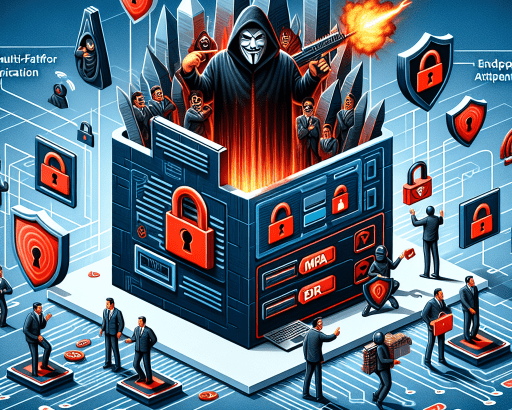
The realm of IT security is evolving rapidly, and attackers are constantly innovating new ways to exploit vulnerabilities. One of the latest trends that IT professionals need to watch out for is the rise of Adversary-in-the-Middle (AitM) phishing attacks. These attacks go beyond traditional phishing techniques by enabling cybercriminals to not only harvest credentials but also steal live sessions, allowing them to bypass common phishing prevention tools like Multi-Factor Authentication (MFA), Email Content Filtering, and Endpoint Detection and Response (EDR) systems.

The Role of Phishing Toolkits

To execute AitM attacks effectively, cybercriminals are leveraging a variety of phishing toolkits. These toolkits can be open-source, commercial, or even developed by criminal enterprises. By using these toolkits, attackers can automate and scale their phishing campaigns, making it easier for them to target a large number of individuals or organizations.

The Danger of AitM Attacks

The danger of AitM attacks lies in their ability to hijack live sessions, allowing attackers to gain unauthorized access to sensitive information, systems, or resources. By stealing these live sessions, cybercriminals can maintain a persistent presence within a network, making it difficult for organizations to detect and mitigate the attack.

Defending Against AitM Phishing Attacks

As the threat of AitM phishing attacks continues to grow, organizations must take proactive measures to defend against these evolving threats. Here are some strategies that can help mitigate the risk of AitM attacks:

Implement Strong Email Security Protocols

Ensuring that your organization has robust email security protocols in place can help prevent phishing emails from reaching end-users. By utilizing email content filtering tools and conducting regular security awareness training, organizations can reduce the likelihood of employees falling victim to phishing attacks.

Deploy Multi-Factor Authentication (MFA)

MFA adds an extra layer of security by requiring users to provide multiple forms of verification before accessing sensitive information or systems. By deploying MFA, organizations can make it harder for attackers to compromise user accounts through phishing attacks.

Monitor for Anomalies

Regularly monitoring network traffic and system logs can help organizations detect any unusual or suspicious activity that may indicate an AitM attack in progress. By analyzing these logs for anomalies, organizations can identify and respond to potential threats more effectively.

Conclusion

In conclusion, AitM phishing attacks represent a significant threat to organizations of all sizes. By understanding how these attacks work and implementing proactive security measures, organizations can better defend against this evolving threat landscape. Stay vigilant, educate your employees, and invest in robust cybersecurity solutions to protect your organization from falling victim to AitM phishing attacks.

Beware: Iranian Hacking Group Unleashes Ongoing Ransomware Attacks

Iranian Hacking Group, Pioneer Kitten, Strikes Again

In the realm of cybersecurity, the cat is definitely out of the bag when it comes to the latest exploits of the Iranian hacking group called Pioneer Kitten. This feline-themed group has been on a spree, breaching multiple organizations across the United States and causing quite a stir. To add to the drama, they have been collaborating with their affiliates to deliver a deadly payload – ransomware.

The Code Names of the Game

This threat actor, known by the rather colorful monikers of Pioneer Kitten, Fox Kitten, Lemon Sandstorm (previously Rubidium), Parisite, and UNC757, seems to have quite the identity crisis. However, in the world of cybercrime, having multiple pseudonyms is all part of the game. Despite the name changes, their nefarious activities speak volumes about their intentions.

Unraveling the Plot

The story begins with U.S. cybersecurity and intelligence agencies sounding the alarm bells about the activities of this Iranian hacking group. Their breach of multiple organizations in the country has set off a chain reaction of concern and caution among security experts. The coordinated efforts of Pioneer Kitten and its affiliates in spreading ransomware have escalated the situation to a critical level.

A Not-So-Purrfect Collaboration

What sets Pioneer Kitten apart is their ability to work in tandem with their associates to deliver ransomware. This collaboration adds a new layer of sophistication to their attacks, making them even more potent and difficult to defend against. The cat-and-mouse game between cybersecurity experts and these malicious actors has reached a new level of intensity.

The Finger of Suspicion

As the spotlight shines on Pioneer Kitten and its affiliates, suspicions are running high about their motives and potential impact. The shadow of uncertainty looms large over the cybersecurity landscape, as experts scramble to unravel the intricate web of connections and activities orchestrated by this Iranian hacking group.

A Trace of Digital Footprints

Despite their best efforts to remain elusive, Pioneer Kitten leaves behind digital footprints that security agencies are following closely. The trail of breadcrumbs they leave behind serves as a roadmap for investigators, leading them closer to uncovering the true extent of the group’s activities and potential vulnerabilities.

The Cat-and-Mouse Game Continues

In the ever-evolving world of cybersecurity, staying one step ahead of threat actors like Pioneer Kitten is crucial. The ongoing battle between security experts and cybercriminals rages on, with each side trying to outsmart the other in a high-stakes game of wits and technology.

A Lesson in Vigilance

The exploits of Pioneer Kitten serve as a stark reminder of the importance of vigilance in the digital age. Organizations and individuals alike must remain vigilant and proactive in safeguarding their systems and data against evolving threats. By staying informed and implementing robust security measures, they can minimize the risk of falling prey to malicious actors like Pioneer Kitten.

Conclusion

In the world of cybersecurity, the stakes are high, and the threats are ever-present. The activities of Pioneer Kitten and its affiliates underscore the need for constant vigilance and preparedness in the face of evolving cyber threats. By staying one step ahead and working together, we can outsmart the cyber adversaries and ensure a safer digital future for all.

Secure Your Network: How to Prevent AVTECH IP Camera Vulnerabilities

AVTECH IP Cameras Vulnerable to Zero-Day Attack

A critical vulnerability, CVE-2024-7029, with a CVSS score of 8.7 has resurfaced in AVTECH IP cameras, much to the delight of malicious actors looking to exploit this flaw as a zero-day. This flaw, identified as a command injection vulnerability within the brightness function of AVTECH closed-circuit television (CCTV) cameras, potentially paves the way for remote code execution (RCE). Despite being an age-old issue, the recent weaponization of this vulnerability by threat actors has incumbent security researchers, notably from Akamai, led by Kyle, scrambling to mitigate the escalating risk posed by this flaw.

The Dark Side of Exploiting Old Flaws

The conversion of a once-dormant vulnerability in AVTECH IP cameras into a weaponized zero-day has starkly underlined the dangers associated with neglecting timely security patching and overall system updates. This turn of events brings to light the lurking perils of cyber neglect and the ominous potential of threat actors to exploit even the most archaic vulnerabilities for their malevolent motives. With the exploitation of this long-standing flaw, threat actors have successfully orchestrated the inclusion of these compromised cameras into a botnet—a stark reminder of the havoc that can be wreaked upon vulnerable systems through the implementation of dated security patches.

Untangling the Mesh of Botnet Entrapment

The incorporation of compromised AVTECH IP cameras into a botnet signifies a concerning trend in the cybersecurity landscape, where vulnerable devices are harnessed en masse to serve the ulterior motives of threat actors. By utilizing the remote code execution capability enabled by the command injection vulnerability, malicious entities are adeptly steering these cameras into their botnet cluster, thereby amplifying their network of compromised devices for potential large-scale cyber-attacks. This maneuver underscores the urgent need for proactive security measures and stringent patch management practices to curtail the proliferation of such botnets and safeguard the integrity of interconnected systems.

The Imperative for Vigilance and Proactive Defense

In light of the resurgence of CVE-2024-7029 and its exploitation as a zero-day vulnerability in AVTECH IP cameras, enterprises and individuals alike are urged to exercise heightened vigilance and adopt a proactive defense stance to fortify their digital perimeters. By prioritizing regular security updates, conducting comprehensive vulnerability assessments, and instituting robust access controls, organizations can proactively mitigate the risk posed by known vulnerabilities and thwart potential cyber threats. Additionally, fostering a culture of cybersecurity awareness among employees and stakeholders serves as a vital linchpin in fortifying the collective defense against evolving cyber threats and ensuring the resilience of interconnected systems in an increasingly hostile digital landscape.

Napad na protokol Diffie-Hellman: 20 let stara ranljivost omogoča hekerjem, da preobremenijo vaš procesor.

Napad na protokol Diffie-Hellman: 20 let stara ranljivost omogoča hekerjem, da preobremenijo vaš procesor.

Zloraba Protokoila Diffie-Hellman: Potencial za Prepoved Delovanja

Pri napadu DHE zlonamerni odjemalec začne kriptografski handshake (ročni stisk), pri čemer neresnično trdi, da podpira samo efemerno varianto protokola za dogovor o ključih Diffie-Hellman (DHE), kar spodbuja strežnik, da ustvari par ključev in izračuna skupno skrivnost, kar zahteva računsko zahtevne operacije modularne eksponentacije.

Zlonamerni odjemalec se izogne izvajanju teh izračunov in izkorišča asimetrijo v računskih obremenitvah med strežnikom in odjemalcem za zagon napada z zavračanjem storitve.

Potek napada

Razumevanje napada DHE

Dohovor o ključih Diffie-Hellman običajno vključuje enako računsko obremenitev za obe strani, kot jo lahko zlonamerni odjemalec izkoristi, da se pretvarja, da podpira samo Diffie-Hellman in čaka, da strežnik ustvari njegov javni ključ.

Ko strežnik opravi računsko zahtevno modularno eksponentacijo, lahko odjemalec prekine povezavo. Ta napad je bolj učinkovit v protokolih, kot je TLS

V nekaterih protokolih za dogovor o ključih lahko zlonamerni odjemalec izkoristi zanašanje strežnika na javni ključ odjemalca, tako da pošlje ponarejeno vrednost, kar povzroči, da strežnik izvede računsko zahtevne operacije za izračun skupne skrivnosti, le da ugotovi, da je dogovor o ključih spodletel.

Možnosti ublažitve

Ta napad je mogoče ublažiti, če se zahteva, da odjemalec dokaže, da je izvedel potrebno modularno eksponentacijo, preden strežnik nadaljuje s svojimi izračuni. Napad D(HE)at izkorišča temeljno pomanjkljivost v protokolu za dogovor o ključih Diffie-Hellman. Za razliko od programskih ranljivosti je ta napad vprašanje na ravni protokola, ki ga ni mogoče reševati s preprostimi posodobitvami programske opreme.

Z izkoriščanjem neprepoznavnosti naključnih števil od rezultatov modularne eksponentacije lahko zlonamerni odjemalci prisilijo strežnike, da izvedejo računsko zahtevne operacije brez pomembnega vlaganja virov, kar strežnike povzroča izpostavljenost izkoriščanju.

💡 Namig dneva:

Razmislite o uporabi varnostnih mehanizmov, ki odjemalcem zahtevajo, da dokažejo, da so izvedli zahtevane korake proti napadu DHE, preden strežnik porabi vire za izračune.

Implementacijske pomanjkljivosti

Pomanjkljivosti pri implementaciji lahko povečajo resnost napada D(HE)at, kar poudarja potrebo po skrbnem oblikovanju in implementaciji protokolov.

Komunikacija med zlonamernim odjemalcem in strežnikom

Varnostne pomanjkljivosti v knjižnicah

Kriptografske knjižnice so lahko ranljive za napade, ki izkoriščajo naravo modularne eksponentacije, ki zahteva veliko virov. Zlonamerni odjemalci lahko prisilijo uporabo večjih eksponentov, kar vodi v bistveno dražje izračune javnih ključev.

Nekatere knjižnice lahko vedno izvajajo nepotrebno preverjanje javnega ključa, tudi pri uporabi odobrenih skupin varnih prajm števil, kar lahko izkoristijo napadalci za sprožitev dragih operacij modularne eksponentacije, kar lahko vpliva na zmogljivost in varnost sistema.

Priljubljene knjižnice

Uporaba velikih parametrov v kriptografskih knjižnicah, kot so ffdhe6144 ali ffhde8192, povečuje računsko obremenitev za generiranje javnih ključev, kar se lahko izkoristi v napadu D(HE)at, kjer napadalci pošljejo številne zahteve za povezavo, da preobremenijo strežnike.

Priljubljene knjižnice pogosto privzeto uporabljajo največje velikosti parametrov, kar lahko predstavlja pomembno tveganje, če aplikacijski strežniki niso pravilno konfigurirani, kar vodi do uspešnih DoS napadov, še posebej, če strežniške implementacije ne preglasijo privzetih nastavitev knjižnic.

Priporočamo branje:

Fortra Releases Urgent Patch for Critical FileCatalyst Workflow Security Vulnerability

Fortra Resolves Critical Security Vulnerability in FileCatalyst Workflow

Fortra, a leading IT security firm, has recently mitigated a severe security vulnerability affecting FileCatalyst Workflow. This flaw could potentially be exploited by a malicious remote attacker to obtain administrative privileges within the system.

The identified vulnerability has been designated as CVE-2024-6633 and has received a high severity rating with a CVSS score of 9.8. The root cause of this security loophole revolves around the utilization of a static password for connecting to an HSQL database.

The Static Password Pitfall

One of the key weaknesses in the FileCatalyst Workflow system was the utilization of default credentials to access the HSQL database (HSQLDB). This static password setup introduced a significant security risk since it provided a straightforward pathway for unauthorized individuals to gain elevated administrative rights within the Workflow application.

This critical access point could potentially open up the entire FileCatalyst Workflow system to exploitation and compromise, making it imperative for a prompt resolution to safeguard the system from potential cyber threats.

Fortra’s Swift Response

Upon discovering this security vulnerability, Fortra acted swiftly to address the issue and provide a robust solution to mitigate the risk posed by the static password flaw in FileCatalyst Workflow. Their proactive response demonstrates a commitment to ensuring the security and integrity of their clients’ IT infrastructure.

By promptly identifying and resolving the CVE-2024-6633 vulnerability, Fortra has not only safeguarded FileCatalyst Workflow users from potential cyber attacks but has also showcased their expertise in proactive threat mitigation and resolution strategies.

Key Takeaways

In conclusion, the recent security incident involving FileCatalyst Workflow underscores the importance of proactive security measures in safeguarding IT systems against potential threats. The use of default or static passwords can create significant vulnerabilities that malicious actors can exploit to gain unauthorized access and compromise sensitive data.

Security firms like Fortra play a crucial role in identifying and addressing such vulnerabilities promptly to enhance the resilience of IT systems and protect organizations from cyber threats. It is essential for businesses to stay informed about potential security risks and work closely with experienced security professionals to implement robust security measures and practices.

By prioritizing cybersecurity and partnering with reputable security providers, organizations can effectively mitigate the risks posed by security vulnerabilities and safeguard their digital assets from malicious exploitation.

APT-C-60 Group Exploits WPS Office Flaw for SpyGlace Backdoor Deployment

South Korea-Aligned Cyber Espionage Group Exploits Zero-Day Vulnerability in Kingsoft WPS Office

In a recent incident, a cyber espionage group aligned with South Korea has been found exploiting a critical remote code execution vulnerability in Kingsoft WPS Office. This flaw, once zero-day and now patched, allowed the attackers to deploy a customized backdoor known as SpyGlace.

APT-C-60 Identified as the Threat Actor by Cybersecurity Firms

Cybersecurity firms ESET and DBAPPSecurity have identified the threat actor behind these attacks as APT-C-60. This group has been conducting espionage activities, particularly targeting Chinese and East Asian users.

The utilization of a zero-day vulnerability showcases the sophistication and persistence of APT-C-60 in leveraging advanced techniques to achieve their malicious objectives. This highlights the importance of robust security measures to defend against such sophisticated threats.

Implications of the Attack

The exploitation of the zero-day vulnerability in Kingsoft WPS Office to deploy the SpyGlace backdoor raises concerns about the security posture of widely used software applications. Organizations and individuals relying on such software must be vigilant and ensure timely patching to mitigate the risk of falling victim to similar attacks.

Additionally, the targeting of Chinese and East Asian users by APT-C-60 emphasizes the geopolitical motivations that often drive cyber espionage activities. Understanding the geopolitical landscape and potential threat actors targeting specific regions can help organizations better tailor their security defenses to mitigate such risks.

Recommendations for Defending Against Cyber Espionage

To defend against cyber espionage threats like the one posed by APT-C-60, organizations should prioritize the following security measures:

1. Regularly update and patch software to address known vulnerabilities.
2. Implement robust endpoint security solutions to detect and prevent unauthorized access.
3. Conduct regular security awareness training to educate employees about potential threats and how to avoid falling victim to social engineering tactics.
4. Deploy intrusion detection systems to monitor network traffic for suspicious activities.
5. Establish a incident response plan to quickly respond to and mitigate cybersecurity incidents.

By adopting a proactive and layered approach to cybersecurity, organizations can enhance their defenses against sophisticated threat actors like APT-C-60 and safeguard their sensitive data and assets.

In conclusion, the exploitation of the zero-day vulnerability in Kingsoft WPS Office by the APT-C-60 cyber espionage group underscores the need for organizations to prioritize cybersecurity and stay vigilant against evolving threats in the digital landscape. By implementing robust security measures and staying informed about potential threats, organizations can better defend against cyber espionage activities and protect their critical information.

BlackByte Ransomware Exploits VMware ESXi Vulnerability in New Cyber Attack Wave

The BlackByte ransomware group exploits VMware ESXi security flaw

The BlackByte ransomware group is like a persistent mosquito buzzing around the digital space, finding its way into vulnerable systems. They have been seen taking advantage of a security flaw that recently plagued VMware ESXi hypervisors, exploiting it to wreak havoc on unsuspecting victims.

Disarming security protections through vulnerable drivers

But wait, there’s more! These threat actors are not satisfied with just one entry point. They have also been spotted using various vulnerable drivers as a means to disarm security protections. It’s like having multiple sets of keys to break into a secure building – they are leaving no stone unturned in their quest to infiltrate systems.

It’s essential to keep systems updated and patched to prevent such exploits. Staying one step ahead of these cyber rascals is crucial to maintaining a secure digital environment.

The continuous evolution of BlackByte’s tactics

The BlackByte ransomware group seems to have mastered the art of perfecting their modus operandi. Their tactics, techniques, and procedures (TTPs) have become finely tuned over time, forming the bedrock of their malicious activities.

It’s like watching a dark orchestra conductor leading a symphony of cyber threats, each note perfectly timed to cause maximum damage. Understanding their playbook is essential in defending against their attacks.

Ransomware: The modern-day highway robbery

Ransomware attacks are akin to the highway banditry of old, where unsuspecting travelers were waylaid and forced to pay a toll for safe passage. In today’s digital age, these cyber highwaymen target systems, encrypting valuable data and demanding a ransom for its release.

Paying the ransom is like giving in to the demands of these modern-day outlaws. It’s crucial to have robust security measures in place to prevent falling victim to such attacks.

Securing your digital fortress

Protecting your digital fortress requires a multi-faceted approach. From keeping software updated to implementing robust security protocols, every measure counts in the battle against cyber threats.

The importance of regular security audits

Regular security audits are like health check-ups for your digital infrastructure. They help identify vulnerable areas that could potentially be exploited by threat actors. By conducting these audits regularly, you can stay ahead of potential security breaches and fortify your defenses.

Education: The first line of defense

Educating users about cybersecurity best practices is akin to arming them with shields and armor. Awareness about phishing emails, suspicious links, and the importance of strong passwords can go a long way in preventing security incidents.

As the digital landscape evolves, staying vigilant and proactive in securing your systems is paramount. By remaining informed and implementing robust security measures, you can defend your digital assets against the ever-looming threat of cyber attacks.

Beware: Latest QR Code Phishing Attack Targets Microsoft Sway for Credential Theft

The Rise of QR Code Phishing

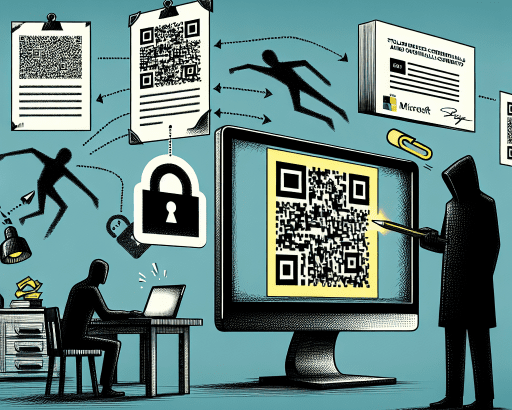
In the vast expanse of cyber threats, a new tactic has been brewing: QR code phishing, affectionately known as ‘quishing’ by cybersecurity insiders. The latest craze involves miscreants leveraging Microsoft Sway infrastructure to host fake pages, thereby exploiting legitimate cloud services for less-than-honorable endeavors.

Legitimacy in the Shadows

Netskope Threat researchers were quick to point out the insidious nature of this approach. By utilizing established cloud applications, cybercriminals cloak their nefarious deeds in a sheath of credibility. Victims, unsuspecting of foul play, are more likely to trust the content presented through familiar platforms, ultimately falling prey to the devious scheme.

While cloud services offer unparalleled convenience and accessibility, the flip side reveals a darker truth: these very same attributes can be exploited by threat actors to deceive users and perpetrate cyber attacks with alarming ease.

The QR Code Conundrum

In a world increasingly reliant on digital shortcuts, QR codes have become ubiquitous, adorning advertisements, business cards, and even restaurant menus. However, this convenience comes at a price. Cybercriminals have cunningly capitalized on the widespread acceptance of QR codes, using them as a vector for phishing attacks.

The Microsoft Sway Subterfuge

Microsoft Sway, a robust content creation tool, has unwittingly become an accomplice in this elaborate ruse. By hosting fake pages on Sway, threat actors can trick users into divulging sensitive information or unwittingly downloading malware. The seamless integration of malicious content within a legitimate platform enhances the illusion of authenticity, rendering users more susceptible to exploitation.

Security in the Cloud

The emergence of QR code phishing underscores the critical need for heightened cybersecurity measures, particularly within cloud environments. Organizations must remain vigilant against evolving threats, fortifying their defenses to thwart sophisticated attacks that leverage legitimate services for malicious ends.

Staying Ahead of the Curve

As cybercriminals continue to innovate and adapt their tactics, security professionals must stay one step ahead. Implementing robust security protocols, educating users on safe practices, and leveraging advanced threat detection technologies are paramount in safeguarding against the ever-evolving landscape of cyber threats.

In conclusion, the QR code phishing campaign utilizing Microsoft Sway exemplifies the cunning strategies employed by threat actors to exploit trusted platforms for malicious purposes. By raising awareness and strengthening defenses, organizations can mitigate the risk posed by such deceptive schemes and safeguard their sensitive data from falling into the wrong hands.