Protect Your Company from GenAI Data Leakage: Balancing Security and Productivity

The Rise of GenAI: A Double-Edged Sword

The integration of General Artificial Intelligence (GenAI) tools into various aspects of business operations has become a common practice in today’s digital landscape. These tools offer significant boosts to productivity and innovation by enabling developers to write code efficiently, allowing finance teams to analyze reports swiftly, and empowering sales teams to create personalized customer communications. However, the very capabilities that make GenAI so appealing also introduce a new set of security risks that organizations must address proactively.

The Security Implications of GenAI

While GenAI tools offer numerous benefits, they also pose serious security risks that organizations need to be aware of. The pervasive use of AI in business operations means that large volumes of sensitive data are processed and generated, increasing the potential attack surface for cybercriminals. Moreover, the autonomous nature of AI systems can lead to unforeseen vulnerabilities, as these tools continuously learn and adapt based on the data they analyze.

Webinar on Preventing GenAI Data Breaches

To help organizations navigate the complex landscape of GenAI security, we are hosting an upcoming webinar focused on preventing data breaches related to AI tools. Participants will learn best practices for securing GenAI platforms, detecting and mitigating potential vulnerabilities, and developing robust data protection strategies to safeguard against cyber threats. Join us to gain valuable insights into safeguarding your organization’s data while leveraging the power of GenAI technology.

Join our webinar to learn more about securing your GenAI data and protecting your organization from potential security breaches.

Protect Your GenAI Data: Best Practices and Strategies

Implementing a robust security framework is crucial to protecting GenAI data and mitigating the associated risks. Here are some best practices and strategies to consider:

1. Data Encryption:

Encrypting data both at rest and in transit can help prevent unauthorized access to sensitive information processed by GenAI tools. By using strong encryption protocols, organizations can ensure that their data remains secure even in the event of a breach.

2. Access Control:

Implementing stringent access control measures ensures that only authorized personnel can interact with GenAI platforms and the data they process. By setting up role-based permissions and multi-factor authentication, organizations can prevent unauthorized users from compromising sensitive information.

3. Regular Security Audits:

Conducting regular security audits and assessments helps organizations identify potential vulnerabilities in their GenAI systems and address them promptly. By staying vigilant and proactive in monitoring for security threats, organizations can strengthen their overall security posture and prevent data breaches.

4. Employee Training:

Educating employees about the importance of cybersecurity and best practices for using GenAI tools can help prevent accidental data leaks or security breaches. By fostering a culture of security awareness within the organization, employees become proactive stakeholders in safeguarding sensitive data.

5. Incident Response Plan:

Developing an incident response plan specific to GenAI data breaches is essential for minimizing the impact of security incidents. By outlining clear steps for detecting, containing, and resolving breaches, organizations can effectively respond to security threats and protect their data assets.

Conclusion

As GenAI tools continue to play a significant role in modern business operations, organizations must prioritize security to safeguard their data and mitigate potential risks. By implementing robust security measures, conducting regular audits, and educating employees on cybersecurity best practices, organizations can leverage the power of GenAI technology while protecting their valuable data assets. Join our webinar to learn more about securing your GenAI data and staying one step ahead of potential security threats.

Protect Your System: Progress Software Releases Patch for LoadMaster and MT Hypervisor Vulnerability

Progress Software Addresses Critical Security Vulnerability in LoadMaster and Multi-Tenant Hypervisor

Progress Software recently announced the release of security updates to address a severe flaw that impacts LoadMaster and Multi-Tenant (MT) hypervisor systems. The vulnerability, identified as CVE-2024-7591 and carrying a critical CVSS score of 10.0, has been classified as an improper input validation issue leading to OS command injection.

Details of the Vulnerability

The vulnerability in Progress Software’s products could potentially allow an unauthorized remote attacker to execute arbitrary operating system commands, posing a significant risk to affected systems. Exploiting this flaw could enable threat actors to gain unauthorized access and carry out malicious activities, emphasizing the critical nature of the security updates provided by the company.

This particular vulnerability underscores the importance of robust input validation mechanisms within software systems to prevent unauthorized command injection attacks. By addressing this issue promptly, Progress Software aims to enhance the security posture of its products and safeguard customers against potential exploitation.

Impact and Mitigation

With the potential for remote execution of arbitrary commands, the CVE-2024-7591 vulnerability highlights the serious implications of inadequate input validation practices. Organizations utilizing LoadMaster and Multi-Tenant hypervisor solutions are strongly advised to apply the provided security updates promptly to mitigate the risk of exploitation.

By promptly applying the necessary patches and updates, businesses can effectively remediate the vulnerability and reduce the likelihood of unauthorized access and command execution on their systems. Proactive security measures, such as timely software updates and vulnerability management practices, play a crucial role in mitigating cybersecurity risks and strengthening overall defense mechanisms.

The Role of Effective Security Patch Management

In the realm of cybersecurity, staying abreast of security vulnerabilities and applying timely patches is paramount to safeguarding systems against potential threats. The recent security updates from Progress Software serve as a reminder of the critical role that effective patch management plays in protecting against known vulnerabilities and reducing the attack surface of IT environments.

Challenges and Best Practices

Despite the importance of security patches, organizations often face challenges in maintaining an effective patch management strategy due to factors such as complex IT infrastructures, compatibility issues, and resource constraints. To address these challenges, businesses can adopt best practices such as automated patch deployment tools, regular vulnerability assessments, and prioritization of critical patches based on risk levels.

By incorporating proactive patch management practices into their cybersecurity initiatives, organizations can enhance their resilience against emerging threats and minimize the window of exposure to potential vulnerabilities. Maintaining a proactive and systematic approach to patch management is crucial for ensuring the security and integrity of IT systems in the face of evolving cybersecurity risks.

Boost Your Cybersecurity with Wing Security: Instant Protection and Insights for Free

Introducing SaaS Pulse: Free Continuous SaaS Risk Management

Continuous Oversight with Wing Security’s SaaS Pulse

In the world of IT security, staying ahead of potential threats and vulnerabilities is crucial. Just like how waiting for a medical issue to become critical before seeing a doctor can have serious consequences, organizations can’t afford to overlook the constantly evolving landscape of SaaS security risks. This is where Wing Security’s SaaS Pulse comes in.

Actionable Insights and Continuous Oversight

Wing Security’s SaaS Pulse is designed to be more than just a one-time assessment. It provides organizations with actionable insights and continuous oversight into their SaaS security posture. This means that organizations can proactively identify and address security issues before they escalate into major problems. And the best part? It’s free!

Benefits of SaaS Pulse

By offering continuous risk management for SaaS applications, SaaS Pulse allows organizations to stay on top of their security posture at all times. This proactive approach not only helps in mitigating potential security risks but also in enhancing overall security hygiene.

The Importance of Continuous SaaS Risk Management

Addressing the Evolving SaaS Security Landscape

The SaaS security landscape is constantly evolving, with new threats and vulnerabilities emerging regularly. Traditional approaches to security, such as periodic assessments and one-time fixes, are no longer sufficient to protect organizations against these dynamic threats.

Proactive vs. Reactive Security

Proactive security measures, such as continuous risk management provided by SaaS Pulse, enable organizations to detect and respond to security issues in real-time, reducing the likelihood of a breach or cyber attack. On the other hand, reactive approaches leave organizations vulnerable to unknown threats and potential data breaches.

Enhancing Security Posture

By embracing continuous SaaS risk management, organizations can enhance their security posture and strengthen their overall security resilience. It allows them to identify and remediate security gaps proactively, reducing the likelihood of a security incident that could result in data loss or regulatory non-compliance.

Conclusion

In conclusion, Wing Security’s SaaS Pulse offers organizations a valuable tool for maintaining a strong and proactive security stance in the face of evolving SaaS security threats. By providing actionable insights and continuous oversight into SaaS security posture, SaaS Pulse enables organizations to stay ahead of potential risks and vulnerabilities. And the fact that it’s free makes it even more appealing for businesses looking to enhance their security resilience without breaking the bank.

Unveiling the Latest Android SpyAgent Malware: How OCR is Leveraged to Swipe Crypto Wallet Recovery Keys

Beware Android Users in South Korea: SpyAgent Malware Campaign Targeting Mnemonic Keys

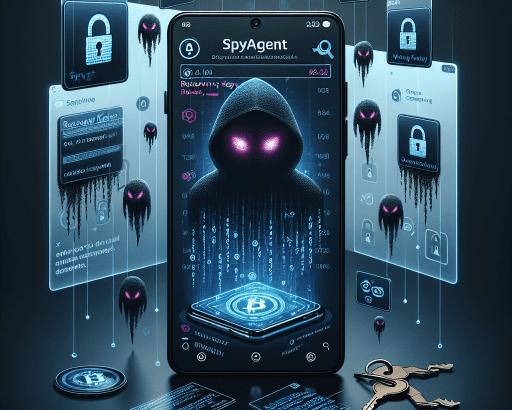
Amidst the hustle and bustle of technological advancements, Android device users in South Korea are finding themselves embroiled in a malicious mobile malware campaign. This devious scheme, coined SpyAgent, poses a new and sophisticated threat to unsuspecting users in the region. According to SangRyol Ryu, a researcher at McAfee Labs, the malware operates by specifically targeting mnemonic keys. These keys are unearthed through a meticulous scan of images stored on the device, creating a potentially perilous situation for users. What’s even more concerning is that the reach of this campaign has now extended to include the U.K., underscoring the global impact and sophistication of this cyber threat.

The Insidious Nature of the Campaign

The modus operandi of this malware campaign is particularly insidious: it homes in on mnemonic keys, which are often used as mnemonic phrases for secure information such as cryptocurrencies and mnemonic seed phrases for crypto wallets. By trawling through images on the victim’s device, SpyAgent aims to extract these crucial keys, paving the way for unauthorized access and potential data breaches. This shift in tactics highlights a new frontier for cybercriminals, one that requires heightened vigilance and proactive measures from Android users.

Geographical Expansion and Heightened Concerns

What makes SpyAgent even more menacing is its geographical expansion. Initially targeting users in South Korea, the campaign has now spread its wings to encompass the U.K. This escalation underscores the growing sophistication and widespread reach of cyber threats in today’s digital landscape. As the threat landscape continues to evolve, it is imperative for users worldwide to remain proactive in safeguarding their devices and data from such nefarious attacks.

McAfee Labs Sheds Light on the Emerging Malware Threat

In shedding light on the SpyAgent malware campaign, McAfee Labs has played a pivotal role in raising awareness about this emerging threat. The diligent analysis conducted by SangRyol Ryu has provided valuable insights into the functioning and scope of this malicious campaign, offering crucial information for users and cybersecurity professionals alike. By unearthing the intricate mechanisms used by SpyAgent to target mnemonic keys, McAfee Labs serves as a beacon of knowledge in the ever-evolving realm of cybersecurity.

Proactive Measures and Vigilance in the Face of Cyber Threats

Amidst the growing sophistication of cyber threats like SpyAgent, adopting proactive measures and maintaining heightened vigilance is paramount for users. Regularly updating device software, exercising caution while downloading apps, and being wary of suspicious links and attachments are just a few practices that can help mitigate the risks posed by malware campaigns. Additionally, leveraging reputable antivirus software and staying informed about emerging threats are essential steps in fortifying one’s digital defenses against evolving cyber threats.

As the cybersecurity landscape continues to evolve, users must remain abreast of the latest threats and employ robust security measures to safeguard their digital assets. By staying informed, proactive, and vigilant, users can navigate the complex terrain of cybersecurity with resilience and confidence.

TIDRONE Espionage Group Targets Taiwan Drone Makers in Cyber Campaign

New Threat Actor Targeting Drone Manufacturers in Taiwan

A newly discovered threat actor, identified by Trend Micro as TIDRONE, has emerged with suspected connections to Chinese-speaking groups. This entity has set its sights on drone manufacturers in Taiwan, launching a cyber attack campaign that kicked off in 2024. Trend Micro’s investigations suggest that the primary motivation behind these attacks is espionage, with a clear focus on military-related industry chains.

Espionage-Driven Campaign

TIDRONE’s activities seem to be espionage-driven, indicating a sophisticated effort to gather intelligence on military technology and operations. By targeting drone manufacturers in Taiwan, the threat actor is likely looking to gain strategic information that could compromise national security and provide an advantage to rival nations.

Initial Access Vector

The exact method used by TIDRONE to gain initial access to the targeted systems remains undisclosed. However, given the precision and persistence of the attacks, it is evident that the threat actor has employed sophisticated tactics to breach the security defenses of the drone manufacturers. Understanding the initial access vector is crucial in developing effective countermeasures to prevent future intrusions.

Moving forward, stakeholders in the cybersecurity community must remain vigilant and proactive in monitoring for any signs of compromise or suspicious activity within their networks. Implementing robust security measures and conducting regular threat assessments can help mitigate the risk of falling victim to espionage-driven cyber attacks like those orchestrated by TIDRONE.

Trend Micro’s Response and Recommendations

In response to the emerging threat posed by TIDRONE, Trend Micro has begun closely tracking the activities of this malicious actor. By monitoring the tactics, techniques, and procedures used by TIDRONE, cybersecurity experts can better understand the threat landscape and develop effective strategies to defend against such attacks.

Recommendations for Drone Manufacturers

For drone manufacturers in Taiwan and other targeted industries, it is essential to enhance cybersecurity measures to protect sensitive information and intellectual property. This includes implementing advanced threat detection tools, conducting regular security audits, and providing comprehensive training to employees on cybersecurity best practices.

Additionally, collaborating with cybersecurity experts and government agencies to share threat intelligence and coordinate response efforts can strengthen the overall resilience of the industry against espionage-driven cyber threats.

Conclusion

In conclusion, the emergence of TIDRONE and its targeted cyber attack campaign against drone manufacturers in Taiwan underscores the evolving nature of cybersecurity threats facing critical industries. By remaining vigilant, proactive, and collaborative, stakeholders can effectively defend against malicious actors seeking to compromise national security and intellectual property. It is imperative for organizations to prioritize cybersecurity and implement robust measures to safeguard their digital assets and operations.

Expose Russian Cadet Blizzard Hackers: U.S. Pledges $10M Reward

U.S. Government and International Partners Attribute Russian Hacking Group

In a bold move, the U.S. government, along with an international coalition, has pointed fingers at a Russian hacking group by the name of Cadet Blizzard. This group has been closely tracked back to the General Staff Main Intelligence Directorate (GRU) 161st Specialist Training Center, also known as Unit 29155.

Unveiling Cyber Actors’ Responsibilities

The accused cyber actors are believed to be engaging in a variety of malicious activities, ranging from espionage to sabotage. Their tactics also extend to causing reputational harm to global targets through computer network operations.

This attribution not only sheds light on the specific group involved but also highlights the various nefarious activities they have been undertaking on a global scale.

The Impact of Cyber Threats on National Security

The revelation of such cyber operations serves as a stark reminder of the significant impact cyber threats can have on national security. Espionage, sabotage, and reputational harm can all destabilize not just individual entities but entire nations.

By pinpointing the source of these cyber activities, the government and its allies can take steps to bolster their cybersecurity defenses and counter such threats effectively.

Russian Cyber Tactics and International Relations

The attribution of the Cadet Blizzard hacking group to the GRU 161st Specialist Training Center raises concerns about Russian cyber tactics and their implications for international relations. Such aggressive cyber activities can strain diplomatic ties and sow distrust among nations.

As countries increasingly rely on cyberspace for communication, commerce, and critical infrastructure, the need for robust cybersecurity measures becomes paramount to safeguard against malicious entities like Cadet Blizzard.

Enhancing Cyber Defense Strategies

In light of these revelations, governments and organizations must prioritize enhancing their cyber defense strategies. This includes investing in technologies that can detect and mitigate cyber threats, as well as educating employees on cybersecurity best practices to prevent potential breaches.

Collaboration among international partners is also crucial in sharing threat intelligence and coordinating responses to cyber incidents, thereby strengthening the collective defense against cyber adversaries.

The Need for Continued Vigilance

The attribution of Cadet Blizzard’s malicious activities underscores the need for continued vigilance in the face of evolving cyber threats. As cyber adversaries become increasingly sophisticated in their tactics, staying ahead of the game requires constant monitoring, analysis, and adaptation of cybersecurity measures.

Cybersecurity is a dynamic field that demands proactive measures to detect and neutralize threats before they cause significant harm. By remaining vigilant and proactive in cybersecurity efforts, governments and organizations can effectively combat cyber threats and protect their critical assets.

Investing in cybersecurity awareness and capabilities is essential to building resilient defenses against cyber threats and safeguarding national security in an increasingly digitized world.

Beware: North Korean Hackers Use COVERTCATCH Malware in LinkedIn Job Scams

North Korean Threat Actors Targeting Developers on LinkedIn

Threat actors linked to North Korea have developed a crafty scheme to target developers through LinkedIn, as highlighted in a recent report by Mandiant, owned by Google. This deceptive operation involves using fake job recruitment tactics to entice unsuspecting victims.

Using Coding Tests as an Initial Attack Vector

The attackers initiate their malicious activities by luring developers with coding tests, exploiting the trust often associated with professional networking platforms like LinkedIn. These tests serve as an avenue to engage the victims in conversation, ultimately leading to the distribution of harmful payloads.

Deceptive Recruitment Techniques

Once a conversation is initiated, the threat actor proceeds to send a ZIP file purported to be related to the job opportunity. Unsuspecting recipients are encouraged to open the file, which likely contains malicious content designed to compromise their systems.

Mitigating the Risks

In light of these emerging threats, it is essential for professionals to exercise caution when engaging with unknown entities on online platforms, particularly when prompted to download files or execute unknown programs. Implementing robust security measures such as antivirus software and maintaining a healthy skepticism can greatly reduce the risk of falling victim to such schemes.

Stay Vigilant Against Cyber Threats

It’s crucial to remain vigilant in the ever-evolving landscape of cybersecurity threats. By staying informed and adopting best practices for online safety, individuals and organizations can better protect themselves against malicious actors seeking to exploit vulnerabilities for their gain. Remember, a healthy dose of skepticism and a proactive approach to security can go a long way in safeguarding against potential threats.

FBI Busts Russian and Kazakh Cyber Ring on Dark Web

Two Men Indicted in the U.S. for Alleged Involvement in Dark Web Marketplace

In a recent turn of events, two individuals, Alex Khodyrev from Kazakhstan and Pavel Kublitskii from Russia, have been charged in the U.S. for their alleged roles in managing a dark web marketplace known as WWH Club. This illicit platform specialized in the sale of sensitive personal and financial information, making them the focal point of an intricate cybercrime investigation.

Accusations and Charges

The accusations directed towards Khodyrev and Kublitskii include conspiracy to commit access device fraud and conspiracy to commit wire fraud. These charges are indicative of the severity of their alleged activities within the WWH Club, showcasing the potential harm caused to individuals affected by the illicit sale of their personal data.

Dark Web Marketplace Operations

The dark web, a clandestine portion of the internet inaccessible through traditional search engines, serves as a breeding ground for various illegal activities, including the sale of stolen information. Marketplaces like WWH Club provide cybercriminals with a platform to exchange sensitive data, enabling them to profit from the exploitation of individuals’ personal and financial details.

Law Enforcement Action

The indictment of Khodyrev and Kublitskii highlights the continued efforts of law enforcement agencies to combat cybercrime on the dark web. By targeting key individuals involved in these illicit operations, authorities aim to disrupt the activities of such platforms and hold accountable those responsible for facilitating cyberattacks and data breaches.

Importance of Cybersecurity

Instances like the WWH Club case underscore the critical importance of robust cybersecurity measures for individuals and organizations alike. Safeguarding personal data and sensitive information is paramount in today’s digital age, where cyber threats loom large. Implementing strong security protocols and remaining vigilant against potential risks can help mitigate the impact of cybercrime and protect against unauthorized access to confidential data.

Conclusion

As the digital landscape continues to evolve, the vigilance of law enforcement agencies and cybersecurity professionals becomes increasingly crucial in safeguarding against cyber threats. By staying informed about emerging risks and implementing proactive security measures, individuals and businesses can reduce their susceptibility to cyberattacks and protect their data from falling into the wrong hands.

In conclusion, the indictment of Khodyrev and Kublitskii serves as a reminder of the ongoing battle against cybercrime and the importance of collective efforts to enhance cybersecurity practices in an ever-changing technological landscape.

Uncovering the GeoServer Vulnerability: A Playground for Backdoors and Botnet Malware

Security Flaw in OSGeo GeoServer GeoTools Exploited by Cybercriminals

A significant security vulnerability has been uncovered in the OSGeo GeoServer GeoTools, which cyber attackers have swiftly taken advantage of in various campaigns. This flaw has been utilized to disseminate harmful software such as cryptocurrency miners, botnet malware like Condi and JenX, as well as a notorious backdoor named SideWalk.

This critical vulnerability is classified as a remote code execution bug with the CVE-2024-36401 designation and a high CVSS score of 9.8. If successfully exploited, this flaw enables threat actors to gain control of vulnerable instances, posing a severe risk to affected systems.

The Exploitation of the Security Vulnerability

It has been observed that cybercriminals are actively leveraging the identified security flaw in OSGeo GeoServer GeoTools to execute their malicious campaigns. By exploiting this vulnerability, attackers can infiltrate systems remotely and deploy a range of malicious payloads to compromise the integrity and security of targeted environments.

Implications of the CVE-2024-36401 Vulnerability

The CVE-2024-36401 vulnerability represents a grave threat to organizations and individuals utilizing OSGeo GeoServer GeoTools. With a CVSS score of 9.8, it signifies a critical risk level, highlighting the potential for significant damage if not promptly addressed. The ability for threat actors to execute remote code on vulnerable instances could lead to devastating consequences, including data breaches, system hijacking, and the proliferation of malware within affected networks.

The Importance of Timely Patching and Mitigation

Given the severity of the CVE-2024-36401 vulnerability and its exploitation by malicious actors, it is imperative for users of OSGeo GeoServer GeoTools to promptly apply available patches and implement mitigation strategies. Timely patching serves as a crucial defense mechanism against known security flaws, helping to fortify systems and prevent unauthorized access and exploitation by cyber attackers.

Best Practices for Enhancing Security

To enhance the security posture of systems leveraging OSGeo GeoServer GeoTools, organizations and individuals are advised to adhere to best practices in cybersecurity. This includes regular monitoring for security updates and patches, implementing strong access controls, conducting thorough security assessments, and fostering a culture of security awareness among users and employees.

Collaborative Efforts in Addressing Security Threats

In the face of evolving cybersecurity threats and vulnerabilities, collaborative efforts play a pivotal role in addressing and mitigating risks effectively. By fostering information sharing, industry collaboration, and community engagement, stakeholders can collectively combat malicious activities and enhance the overall resilience of IT infrastructures.

In conclusion, the security flaw in OSGeo GeoServer GeoTools underscores the importance of proactive security measures, timely patching, and collaborative approaches to cybersecurity. By staying vigilant and prioritizing security practices, organizations and individuals can safeguard their systems against potential threats and mitigate the impact of vulnerabilities in software and technology platforms.

GitHub Actions Vulnerable to Typosquatting: Exposing Developers to Hidden Malicious Code

Beware of Typosquatting: A Common Tactic Used by Threat Actors

It’s no secret that threat actors often resort to cunning tactics to deceive unwary users and carry out malicious activities. One such technique that has been around for quite some time is typosquatting. This deceptive practice involves registering domains or packages with names that are very similar to legitimate ones, relying on users’ misspellings or typos to lead them astray.

How Typosquatting Works

Imagine you are in a hurry and quickly type “goog1e.com” instead of “google.com.” This simple mistake could land you on a malicious website designed to mimic the real Google site. By leveraging minor misspellings or alterations in well-known domain names, threat actors can trick users into visiting these counterfeit websites. Once on these fake sites, users might unwittingly disclose sensitive information or fall prey to various cyber threats.

Open-Source Repositories in the Crosshairs

Not stopping at domain names, threat actors have expanded their typosquatting schemes to target open-source repositories as well. By creating counterfeit packages or libraries with names similar to popular ones, they aim to infiltrate the trust that developers and users place in these repositories. Users who inadvertently install these malicious packages could expose their systems to serious security risks.

The Dangers of Typosquatting

The ramifications of falling victim to typosquatting can be severe. Users might unknowingly download malware, ransomware, or other harmful payloads disguised as legitimate software. Additionally, sensitive data entered on these fake websites could be harvested by threat actors for nefarious purposes. The financial and reputational damage resulting from such incidents can be significant, making it crucial for users to stay vigilant and employ preventive measures.

Protecting Against Typosquatting

To mitigate the risks associated with typosquatting, users can take several proactive steps. One key measure is to double-check URLs and package names before clicking or downloading anything. Using bookmarks for frequently visited sites and verifying the authenticity of packages before installation can also help thwart typosquatting attempts. Employing reputable security software and staying informed about common cyber threats are essential components of a robust defense strategy.

Conclusion

In the ever-evolving landscape of cyber threats, staying informed and cautious is paramount. Typosquatting serves as a reminder that threat actors will exploit even the smallest mistakes to carry out their malicious intentions. By understanding how these tactics work and adopting best practices to protect against them, users can minimize the risks of falling victim to such deceptive schemes. Remember, a vigilant mind is the best defense in the realm of cybersecurity.